
PV Grid Connection Cabinets: What to Confirm Before Ordering
A photovoltaic project brings together inverters, electrical distribution equipment, metering and the connection to the local electrical system. Clear coordination between these elements helps the project team define the equipment required.
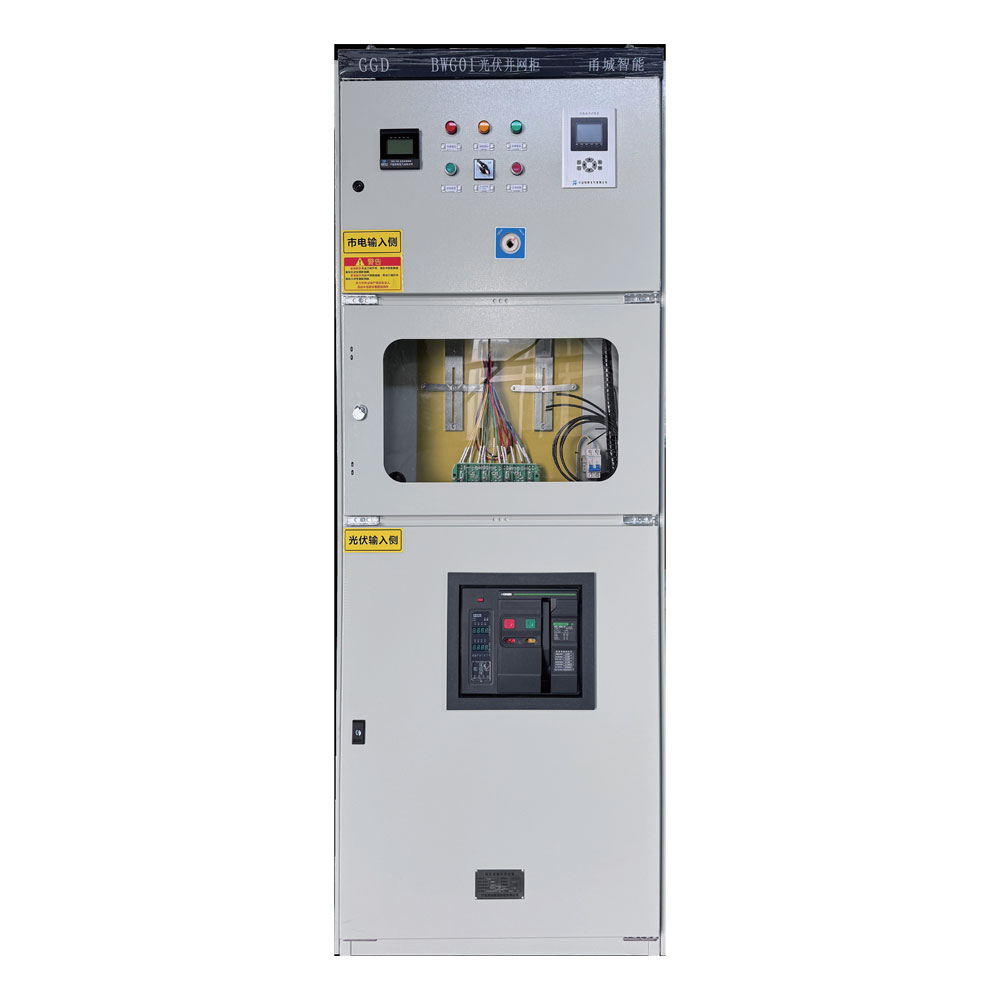
A PV grid connection cabinet may provide switching, protection, distribution and monitoring functions on the AC side of a solar installation. Its exact role depends on the system design and the agreed supply scope.
Before requesting a quotation, review the following points with the project team and equipment supplier.
1. Define the Connection Arrangement
Start with a single-line diagram showing the inverter outputs, distribution equipment and connection point.
Confirm whether the proposed cabinet will collect several inverter outputs, connect to an existing distribution board or form part of a wider electrical installation.
Product names vary between suppliers and markets. A “PV grid connection cabinet” and a “solar AC distribution cabinet” may describe overlapping functions, but the name alone does not define the equipment included. The drawings and technical specification should establish the scope.
2. Confirm Electrical Ratings
Provide the system voltage, frequency, inverter quantity and inverter output details.
The design team should also establish the required current ratings, available fault-level information and circuit arrangement. These details support the selection of switching devices, busbars and other components.
Allowances for future expansion should be discussed early. Reserving physical space alone may not be sufficient; the electrical design and site connection capacity also need consideration.
3. Coordinate Protection Requirements
Protection requirements depend on the installation design and the rules that apply at the connection point.
Confirm which protective functions are included in the cabinet and which are provided elsewhere in the system. The responsibilities of the cabinet supplier, inverter supplier and project engineer should be clear.
Depending on the project, the discussion may include overcurrent protection, surge protection, isolation and interfaces with external protection equipment.
Do not assume that a cabinet by itself provides every function required for grid connection. The complete arrangement needs to be reviewed against the project specification and local connection requirements.
4. Agree on Metering and Communication
Decide what information operators need to view locally and what data must be available to the monitoring system.
The specification may include electrical measurements, equipment status, alarm signals or communication with a site management platform.
Where communication is required, confirm the protocol, physical interface, data points and responsibility for system integration. A general statement such as “remote monitoring supported” should be developed into a defined list of functions.
If the electricity provider requires dedicated metering, confirm its requirements separately from general operational monitoring.
5. Review Site Conditions and Cable Access
For outdoor installations, discuss exposure to rain, sunlight, dust and the local environment. For indoor installations, review room conditions, ventilation and maintenance access.
Confirm cabinet dimensions, mounting arrangements and cable entry positions before approving the layout. Cable size, quantity and bending space can influence the enclosure arrangement.
The selected enclosure protection rating should be appropriate for the location and considered together with heat dissipation and condensation control.
6. Clarify Documents, Testing and Delivery
Before production, agree on the drawings and documents that require approval.
Depending on the contract, these may include the single-line diagram, general arrangement drawing, wiring diagrams, component list and inspection records.
Testing requirements should have a defined scope and acceptance criteria. If a customer or third party will witness the inspection, make the arrangements before the planned delivery date.
Packing and delivery requirements should also reflect the cabinet dimensions, transport conditions and site handling arrangements.
Preparing a Project-Specific Enquiry
A useful enquiry package includes the single-line diagram, inverter details, connection requirements, site conditions and requested document list.
If the project also includes energy storage, explain how the storage system connects to the installation. This helps the parties identify interfaces and clarify whether separate equipment is required.
Contact Henghui Electric to discuss your PV grid connection cabinet enquiry and the configuration needed for your project.
 English (UK)
 Bahasa Indonesia
 Tiếng Việt
 Deutsch
 Español
 Français
 Português
 Русский