
Панели управления на базе ПЛК и ЧРП: различия и выбор
Comparing PLC vs VFD control panels starts with the job each device performs. A programmable logic controller (PLC) manages operating logic and signals. A variable frequency drive (VFD) regulates the speed of a compatible AC motor. A project may need one of these functions or both in the same control cabinet.
For equipment buyers, the useful question is which control functions the process requires. This guide explains the differences and the information to prepare before requesting a panel quotation.
PLC vs VFD Control Panels: A Practical Comparison
| Selection point | PLC control panel | VFD control panel |
|---|---|---|
| Main role | Coordinates programmed sequences, equipment status and process signals. | Controls motor speed through a variable frequency drive. |
| Typical inputs | Switches, sensors, operator commands and equipment feedback. | Run commands, speed references and selected process feedback. |
| Typical applications | Equipment sequencing, process automation and multi-device coordination. | Variable-speed operation of compatible pumps, fans and other motor-driven equipment. |
| Operator interface | Push buttons, indicator lights or an HMI, according to the design. | Drive keypad, panel controls or an HMI, according to the design. |
| Can both be included? | Yes. A PLC and one or more VFDs can work together in a combined control panel. | |
When a PLC Control Panel Fits the Project
A PLC control panel is useful when several operating conditions need to be coordinated. For example, a process may need to check a level signal, start equipment in a defined order, display operating status and record selected alarms.
The PLC reads the configured input signals and sends commands according to its program. The panel design also needs suitable power supplies, terminals and switching devices. A PLC does not replace the motor power circuit or the protective devices required by the electrical design.
When specifying a PLC control panel, prepare an operating sequence and an input/output list. These documents help define the controller, operator interface and signal connections.
When a VFD Control Panel Fits the Project
A VFD control panel is relevant when a motor needs adjustable speed instead of operation at a fixed speed. Examples include a pump responding to a pressure requirement or a fan following changing process demand.
Some drives have built-in process-control functions that may be sufficient for a straightforward application. A separate PLC is therefore not necessary in every VFD panel. More complex sequences or coordination with other equipment may justify additional control hardware.
Selection of a VFD control panel should consider motor nameplate current, supply voltage, load characteristics, overload duty and installation conditions. Energy savings depend on the application and operating profile; adding a VFD alone does not establish a fixed saving.
When to Combine a PLC and VFDs
A combined panel can separate process coordination from motor speed control. The PLC handles the agreed sequence, while the VFD handles the speed command within the selected drive and motor capabilities.
For example, a multi-pump project may require duty rotation, standby selection, pressure feedback and operating-status reporting. The final arrangement could use PLC logic with individual drives, or another agreed architecture. The appropriate choice depends on the operating sequence and project specification.
Confirm how commands and feedback will be exchanged. Hardwired signals and communication networks are possible approaches, but the exact interface must match the selected equipment.
What to Include in a Control Panel Enquiry
- Power supply: voltage, frequency, phase arrangement and available project electrical data.
- Motor information: quantity, rated power, nameplate current and load type.
- Operating sequence: manual and automatic modes, start/stop conditions, duty/standby requirements and alarm responses.
- Signals: sensor types, signal ranges, input/output quantities and spare capacity.
- Communication: interfaces, protocols and the equipment to be connected.
- Installation: indoor or outdoor location, ambient temperature, humidity, dust and space restrictions.
- Documentation: required drawings, component schedule, inspection records and testing scope.
Enclosure protection, cooling, component ratings and any compliance requirements should be agreed for the actual installation. The panel name alone does not define these details.
Choose the Functions Before Finalizing the Panel
Use the operating requirements to decide whether the project needs PLC logic, variable-speed motor control or an integrated arrangement. A clear specification makes quotations easier to compare and reduces uncertainty during design review.
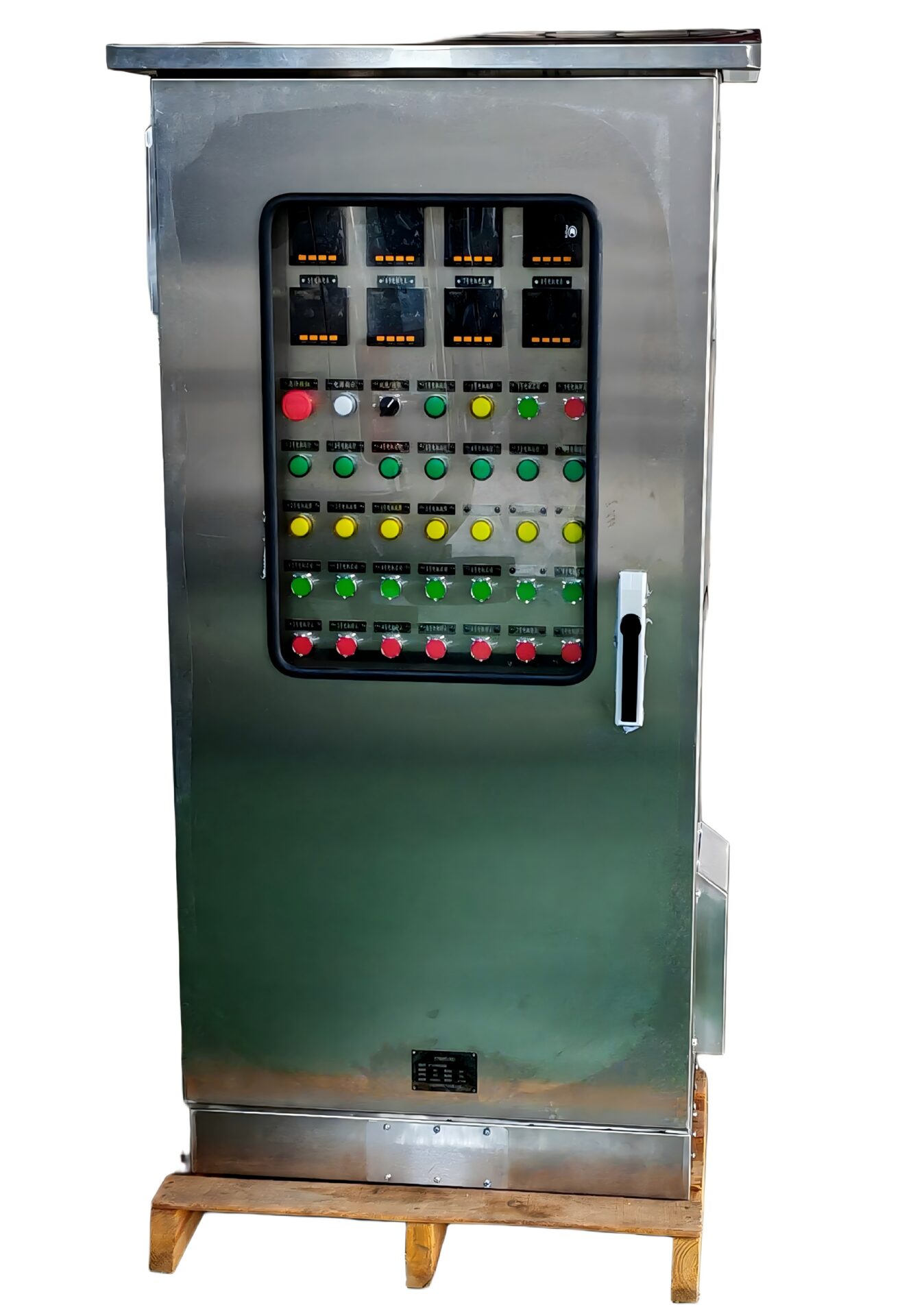
Ознакомьтесь с нашим industrial control panels, or contact Henghui Electric with your motor list and operating sequence to discuss a project-specific configuration.
 Русский
 English (UK)
 Bahasa Indonesia
 Tiếng Việt
 Deutsch
 Español
 Français
 Português