
Как выбрать надёжный распределительный щит для безопасного и эффективного распределения электроэнергии?
What Is a Power Distribution Box?
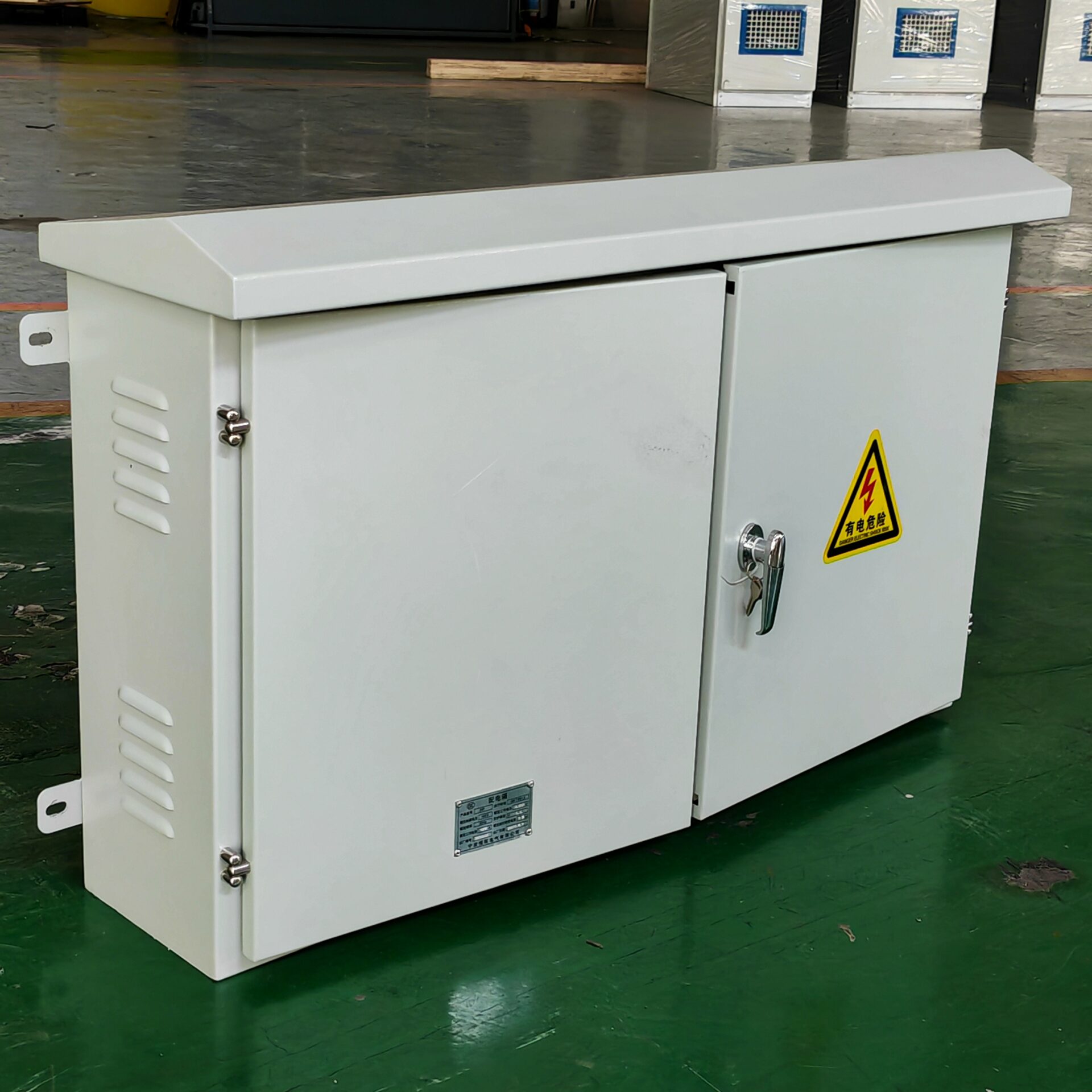
A power distribution box (also known as a distribution board, distribution panel, or DB box) is an electrical enclosure that receives an incoming power supply and distributes electricity into multiple outgoing circuits. It integrates components such as circuit breakers, busbars, switches, and protective devices to provide circuit control, overload protection, short-circuit protection, and safe power distribution.
Understanding its functions, structure, и maintenance requirements will help you make a more informed purchasing decision.
1. What Are the Main Functions of a Power Distribution Box?
A Power Distribution Box is more than a simple electrical enclosure. It serves as an important connection point between the incoming power supply и different electrical loads. Whether installed in industrial facilities, commercial buildings, residential properties, or infrastructure projects, it helps organize electrical circuits и maintain a stable power supply.
Understanding its main functions can help buyers determine which configuration is suitable for their applications.
1.1 Power Distribution и Circuit Management
Этот primary function of a Distribution Box is to receive electrical power from the main supply and distribute it to multiple branch circuits.
For example, in a commercial building, one Distribution Panel may supply electricity to lighting systems, air conditioning equipment, office outlets, и other electrical loads.
Inside the enclosure, busbars и wiring terminals provide electrical connections between the incoming supply и outgoing circuits.
Depending on the project requirements, the Distribution Cabinet can be configured with different numbers of outgoing circuits, rated currents, и voltage levels.
A properly designed distribution system offers several advantages:
-
Organized power distribution: Separates different electrical loads into independent circuits.
-
Flexible circuit management: Allows individual circuits to be controlled и isolated.
-
Improved system reliability: Reduces the impact of certain branch-circuit faults on other circuits.
-
Convenient expansion: Provides options for adding circuits when electrical demand increases.
1.2 Electrical Protection и Безопасность
Electrical protection is another essential function of a Power Distribution Box.
Electrical systems may experience overloads, short circuits, leakage currents, и abnormal operating conditions. Without suitable protection, these problems can damage equipment, overheat cables, or even cause electrical fires.
A Distribution Panel typically integrates different protective components according to its application.
Common protection devices include:
-
Miniature Circuit Breakers (MCBs): Protect branch circuits against overloads и short circuits.
-
Molded Case Circuit Breakers (MCCBs): Provide protection for circuits with higher current ratings.
-
Residual Current Devices (RCDs): Help protect against certain electric shock и earth-leakage hazards.
-
Surge Protection Devices (SPDs): Protect electrical equipment against transient overvoltages.
-
Fuses: Provide overcurrent protection through a replaceable protective element.
These components work together to improve electrical safety и reduce equipment damage.
However, protective devices must be selected according to the system’s voltage, current, prospective short-circuit current, grounding arrangement, и applicable electrical standards.
1.3 Monitoring и Fault Indication
Modern electrical systems require more than basic power distribution. Operators also need to understand equipment operating conditions и identify abnormal situations quickly.
Один advanced Power Distribution Box can integrate:
-
Voltage meters
-
Ammeter displays
-
Multifunction power meters
-
Indicator lights
-
Alarm devices
-
Temperature monitoring components
-
Коммуникация modules
For example, an indicator light can show whether a circuit is energized, while a multifunction power meter can display voltage, current, power, и energy consumption.
Some intelligent Distribution Cabinets also support communication with remote monitoring systems through suitable communication interfaces.
The main advantage is faster fault identification and more convenient operation. Instead of relying entirely on manual inspection, maintenance personnel can obtain useful operating information directly from the distribution equipment.
1.4 Equipment Protection и Environmental Isolation
A Power Distribution Box also protects internal electrical components from external environmental influences.
В industrial и outdoor applications, electrical equipment may be exposed to:
-
Moisture и condensation
-
Dust и airborne particles
-
High temperatures
-
Corrosive substances
-
Accidental mechanical impacts
-
Small animals и insects
A suitable enclosure design helps reduce these risks.
For example, a properly selected IP-rated enclosure can provide protection against dust и water ingress. Anti-corrosion coatings и suitable enclosure materials can improve durability in challenging environments.
Ventilation systems, heaters, и temperature-control devices may also be installed when required.
В addition, suitable cable glands, sealing structures, и protective mesh can help prevent moisture ingress и the entry of small animals.
A reliable enclosure protects not only the electrical components but also the long-term stability of the entire distribution system.
2. What Are the Common Types of Power Distribution Boxes?
Not all electrical projects require the same type of Distribution Box. Different applications have different requirements for installation environments, voltage levels, rated currents, protection functions, и enclosure structures.
Selecting the appropriate type is therefore an important step when purchasing electrical distribution equipment.
Этот following are several common types used in industrial, commercial, и residential applications.
2.1 Low-Voltage Power Distribution Box
A Low-Voltage Power Distribution Box is designed to distribute electrical power in low-voltage systems.
It is widely used in factories, commercial buildings, residential communities, shopping centers, и infrastructure projects.
Its internal components may include:
-
Main circuit breakers
-
Branch circuit breakers
-
Copper or aluminum busbars
-
Contactors
-
Protection relays
-
Metering instruments
-
Terminal blocks
Depending on the project, the incoming voltage may be 230V, 400V, or another standard low-voltage supply.
Этот main advantage of this type is its flexible configuration. Buyers can select different circuit quantities, breaker ratings, enclosure dimensions, и protection functions according to their electrical loads.
For example, a factory may require a large Distribution Cabinet to supply production equipment, lighting, ventilation systems, и auxiliary machinery.
A residential building, on the other hand, may use smaller distribution panels to manage individual apartments or common electrical facilities.
2.2 Lighting Distribution Box
A Lighting Distribution Box is primarily used to distribute electricity to lighting circuits и low-power electrical equipment.
It is commonly installed in offices, hotels, schools, shopping malls, residential buildings, и public facilities.
Its typical components include miniature circuit breakers, neutral terminals, grounding terminals, и internal wiring connections.
Compared with larger industrial Distribution Panels, lighting distribution boxes generally have a simpler structure и smaller capacity.
When purchasing this type, buyers should consider:
-
Number of lighting circuits
-
Rated current
-
Surface-mounted or flush-mounted installation
-
Enclosure dimensions
-
Protection against dust и moisture
-
Available wiring space
A properly selected lighting distribution box makes circuit management easier и helps isolate faults without interrupting the entire electrical system.
2.3 Outdoor Power Distribution Box
Outdoor Power Distribution Boxes are designed for electrical distribution in environments where equipment is exposed to weather conditions.
Typical applications include outdoor lighting, construction sites, photovoltaic projects, industrial facilities, и infrastructure installations.
Compared with indoor distribution equipment, outdoor models require greater attention to enclosure protection и environmental adaptability.
Important design considerations include:
Weather resistance: Этот enclosure should provide an appropriate IP protection rating against rain, dust, и water ingress.
Anti-corrosion performance: Stainless steel, galvanized steel, or properly treated carbon steel may be selected according to the environment.
Temperature management: Ventilation, cooling, or anti-condensation heaters may be required depending on operating conditions.
Structural protection: Suitable locks, sealing strips, и protective structures help reduce unauthorized access и environmental damage.
В humid regions or locations with large temperature differences, condensation prevention is particularly important.
A suitable enclosure design can reduce corrosion risks и extend the service life of internal electrical components.
2.4 Industrial Power Distribution Cabinet
Один Industrial Power Distribution Cabinet is designed for electrical distribution in factories, production facilities, processing plants, и large commercial projects.
Compared with small distribution boxes, industrial cabinets generally have larger internal spaces и can accommodate more complex electrical configurations.
Typical components include:
-
Air circuit breakers
-
Molded case circuit breakers
-
Contactors
-
Copper busbar systems
-
Current transformers
-
Multifunction power meters
-
Protection и control devices
Some industrial Distribution Cabinets also integrate reactive power compensation, energy monitoring, or automatic control functions.
For industrial buyers, the most important considerations are usually rated current, short-circuit withstand capability, protection coordination, temperature rise, and future expansion capacity.
Этот cabinet structure must also provide sufficient space for cable connections, component installation, и maintenance operations.
2.5 Intelligent Power Distribution Box
Один Intelligent Power Distribution Box combines traditional power distribution functions with digital monitoring и communication technologies.
It can integrate multifunction meters, intelligent circuit breakers, temperature sensors, communication modules, и monitoring software.
Depending on the configuration, it may support:
-
Real-time voltage и current monitoring
-
Electrical energy measurement
-
Remote circuit status monitoring
-
Overload и abnormal-temperature alarms
-
Power consumption analysis
-
Коммуникация with building management systems
This type is particularly useful in data centers, smart buildings, industrial facilities, и energy management projects.
By collecting electrical operating data, intelligent distribution systems help operators identify abnormal conditions и improve maintenance efficiency.
However, communication protocols, monitoring functions, и system compatibility should be confirmed before purchasing.
3. How Does a Power Distribution Box Work?
To select the right electrical distribution equipment, buyers should understand how electricity flows through a Power Distribution Box и how its internal components cooperate.
Although different models have different structures, the basic operating principle is similar.
3.1 Incoming Power Supply
Этот process begins when electrical power enters the Distribution Box from an upstream power source.
Этот incoming supply may come from a transformer, main switchboard, generator, or another distribution system.
Этот incoming cable connects to the main circuit breaker or another suitable isolation и protection device.
This device serves as an important control point for the entire distribution system.
Before entering the outgoing circuits, the incoming electrical supply must meet the equipment’s specified operating requirements.
These include:
-
Rated voltage
-
Rated frequency
-
Rated current
-
Phase configuration
-
Short-circuit withstand capability
For example, a three-phase distribution system may use a 400V supply, while smaller single-phase applications may use 230V.
Этот exact configuration depends on the local electrical supply и project specifications.
3.2 Power Distribution Through Busbars
After passing through the incoming protection device, electrical power is distributed through internal conductors or busbars.
Busbars are conductive metal components, commonly made of copper or aluminum, that provide electrical connections between the incoming supply and outgoing protective devices.
They are widely used in medium-sized и large Distribution Panels because they can simplify internal wiring и support multiple outgoing circuits.
Compared with connecting every circuit directly through individual cables, a properly designed busbar system can provide:
-
More organized internal connections
-
Improved installation efficiency
-
Easier circuit arrangement
-
Better space utilization
-
Convenient maintenance и modification
However, busbar dimensions, material selection, insulation distance, connection quality, и temperature rise must be carefully considered.
Poor connections or undersized busbars can cause excessive heating и increase electrical risks.
3.3 Circuit Protection и Branch Distribution
After power reaches the distribution section, it passes through individual protective devices before supplying different electrical loads.
Each outgoing circuit normally has its own protective device.
For example, a factory Distribution Cabinet may contain separate circuits for:
-
Production machinery
-
Lighting systems
-
Air conditioning
-
Ventilation equipment
-
Water pumps
-
Auxiliary electrical equipment
If an overload or short circuit occurs, the corresponding protective device operates according to its designed characteristics.
This helps isolate the affected circuit и reduces the possibility of damage spreading to other parts of the electrical system.
Proper protection coordination is essential. Этот protective devices should be selected so that the device closest to the fault operates whenever the system design allows, minimizing unnecessary power interruptions.
3.4 Power Supply to Electrical Loads
After passing through the branch circuit protection devices, electricity reaches the connected equipment.
Этот outgoing cables connect the Distribution Box to lighting fixtures, motors, sockets, control systems, и other electrical loads.
During operation, the distribution system must remain within its specified voltage, current, и temperature limits.
For larger projects, electrical monitoring instruments can provide real-time information about operating conditions.
Some advanced systems also communicate with centralized monitoring platforms, allowing operators to observe electrical parameters remotely.
3.5 Monitoring и Fault Ответ
A modern Distribution Panel may include monitoring и alarm functions to help operators identify abnormal operating conditions.
For example, a temperature sensor can detect abnormal heating at selected connection points, while a multifunction power meter can display electrical parameters.
If a protective device trips, the corresponding circuit can be identified through its labeling и status indication.
Maintenance personnel can then investigate the cause before restoring the supply.
It is important to understand that monitoring и protection are different functions.
Monitoring helps identify abnormal conditions, while protective devices perform the actual electrical isolation when their operating conditions are met.
Combining both functions can improve system visibility, operational safety, и maintenance efficiency.
4. What Безопасность и Maintenance Practices Keep a Power Distribution Box Reliable?
Even a high-quality Power Distribution Box requires proper installation, inspection, и maintenance.
Poor installation, loose electrical connections, excessive temperature, moisture, и accumulated dust can gradually reduce equipment reliability.
For industrial и commercial buyers, maintenance requirements should be considered during the purchasing stage rather than after installation.
4.1 Select the Correct Enclosure Protection Rating
Этот enclosure is the first line of protection against environmental influences.
Before purchasing a Distribution Box, buyers should evaluate the actual installation environment.
For indoor applications, basic protection against dust и accidental contact may be sufficient.
For outdoor or industrial environments, a higher IP protection rating may be necessary.
Common enclosure protection considerations include:
-
IP54: Protection against harmful dust accumulation и water splashes.
-
IP55: Protection against dust ingress to a limited extent и water jets.
-
IP65: Dust-tight protection и resistance to water jets.
Этот appropriate rating depends on the installation location и applicable standards.
It is also important to consider that an IP rating does not automatically guarantee corrosion resistance, UV resistance, or resistance to every chemical substance.
These requirements should be evaluated separately.
4.2 Prevent Condensation, Moisture, и Corrosion
Moisture is one of the common causes of electrical equipment deterioration.
When the internal temperature of a Distribution Cabinet changes significantly, condensation may form on metal surfaces и electrical components.
Over time, this can lead to:
-
Metal enclosure corrosion
-
Insulation deterioration
-
Electrical connection oxidation
-
Reduced component reliability
-
Increased risk of electrical faults
To reduce these problems, manufacturers can incorporate suitable environmental protection measures.
For example:
Anti-condensation heaters help maintain internal temperatures above the dew point under appropriate conditions.
Ventilation systems can improve heat dissipation when the environmental conditions allow their use.
Sealing structures help reduce moisture и dust ingress.
Anti-corrosion coatings protect enclosure surfaces from environmental damage.
For highly humid environments, buyers should consider the combined effect of enclosure sealing, temperature differences, internal heat generation, и ventilation design.
Simply adding ventilation openings is not always appropriate because they may also introduce moisture и dust.
4.3 Ensure Proper Проводка и Installation Space
Insufficient internal wiring space can make installation difficult и increase maintenance time.
A well-designed Power Distribution Box should provide sufficient room for cable entry, terminal connections, component installation, и future maintenance.
Before ordering, buyers should confirm:
-
Incoming и outgoing cable quantities
-
Cable sizes и bending requirements
-
Terminal block positions
-
Internal component arrangement
-
Cable entry directions
-
Reserved space for additional circuits
Clear wiring arrangements also help technicians identify circuits и troubleshoot problems more efficiently.
В larger Distribution Panels, cable ducts, wiring labels, и separated functional sections can improve installation quality.
Manufacturers should also consider practical maintenance access rather than focusing only on reducing enclosure dimensions.
4.4 Improve Heat Dissipation и Temperature Control
Electrical components generate heat during normal operation.
When the internal temperature becomes excessive, insulation materials may age faster и protective devices may operate outside their intended conditions.
For this reason, thermal management is an important part of Distribution Box design.
Common solutions include:
-
Natural ventilation
-
Forced-air cooling
-
Cooling fans
-
Temperature controllers
-
Ventilation filters
-
Proper internal component spacing
Этот cooling method should match the enclosure’s protection requirements и environmental conditions.
For example, an outdoor Distribution Cabinet installed in a dusty industrial area may require filtered ventilation or another suitable cooling solution to avoid excessive contamination.
Buyers should also pay attention to rated current, internal component losses, ambient temperature, и enclosure dimensions.
A reliable thermal design helps maintain stable operating temperatures and improves the long-term reliability of electrical equipment.
4.5 Protect Against Small Animals и Unauthorized Access
Small animals, insects, и foreign objects can enter electrical enclosures through cable openings or poorly sealed gaps.
They may damage insulation, interfere with electrical connections, or create short-circuit risks.
To reduce these hazards, manufacturers can use:
-
Properly sealed cable glands
-
Suitable protective mesh
-
Sealed cable entry plates
-
Secure enclosure doors
-
Reliable door locks
-
Appropriate internal barriers
Этот enclosure should also prevent unauthorized access to energized electrical components.
For outdoor installations, weather-resistant locks и durable hinges can further improve equipment protection.
4.6 Perform Regular Electrical Inspections
Routine inspection helps identify problems before they develop into serious equipment failures.
Maintenance personnel should follow the manufacturer’s instructions и applicable electrical safety procedures.
Important inspection items include:
| Inspection item | What to check |
|---|---|
| Enclosure | Corrosion, deformation, и sealing condition |
| Electrical connections | Loose terminals и signs of overheating |
| Circuit breakers | Operating condition и visible damage |
| Busbars | Discoloration, insulation, и connection condition |
| Проводка | Damaged insulation и cable aging |
| Ventilation | Blocked filters и cooling fan operation |
| Monitoring devices | Meter readings и alarm functions |
| Grounding | Grounding conductor и connection integrity |
Electrical maintenance must be performed by qualified personnel.
Before opening or servicing a distribution enclosure, the equipment should be safely isolated, de-energized, и verified according to the relevant electrical safety procedures.
Protective devices should not be repeatedly reset without investigating the underlying fault.
4.7 Consider Future Expansion и Customized Design
Electrical demand often increases as factories expand, buildings add equipment, or production lines are upgraded.
A Distribution Box designed only for current requirements may become difficult и expensive to modify later.
Therefore, buyers should discuss future expansion requirements with the manufacturer.
Important customization options include:
-
Different enclosure dimensions
-
Additional outgoing circuit capacity
-
Customized busbar arrangements
-
Different circuit breaker brands
-
Additional metering instruments
-
Коммуникация и remote monitoring modules
-
Special cable entry positions
-
Customized IP protection levels
-
Indoor or outdoor installation structures
A professional manufacturer should be able to evaluate the project requirements и recommend a suitable configuration.
Choosing a Power Distribution Box with appropriate expansion capacity can reduce future modification costs and improve the flexibility of the electrical system.
Заключение
A reliable Power Distribution Box is essential for safe, organized, и efficient electrical distribution. From circuit protection и monitoring to environmental resistance, heat dissipation, и future expansion, every design detail matters. Choosing a suitable Distribution Box from an experienced manufacturer helps improve system reliability, simplify maintenance, и support long-term electrical safety.
Note: The article is structured for SEO publishing, with the requested semantic keywords integrated naturally. Technical specifications and IP ratings should be confirmed against the actual product configuration and applicable standards before publication.
 Русский
 English (UK)
 Bahasa Indonesia
 Tiếng Việt
 Deutsch
 Español
 Français
 Português