
Como escolher o dispositivo de proteção contra picos de tensão adequado para proteger o equipamento elétrico e reduzir os custos ocultos?
Elétrica surges pode damage equipamento, interrupt production, e aumento manutenção costs. Yet escolher o certo Surge Protection Device (SPD) é não always easy: confusing specifications lead para selection errors, strict grounding requisitos complicate installation, e hidden failures pode go unnoticed. Misleading produto claims e unclear manutenção responsibilities add further costs. O solution é para selecionar a fiável Surge Protector based em o seu sistema requirements, verificar o seu protection performance, e plan para proper instalação e maintenance. Isto guide explains what compradores necessidade para know antes purchasing um SPD.
What is a surge protection device?
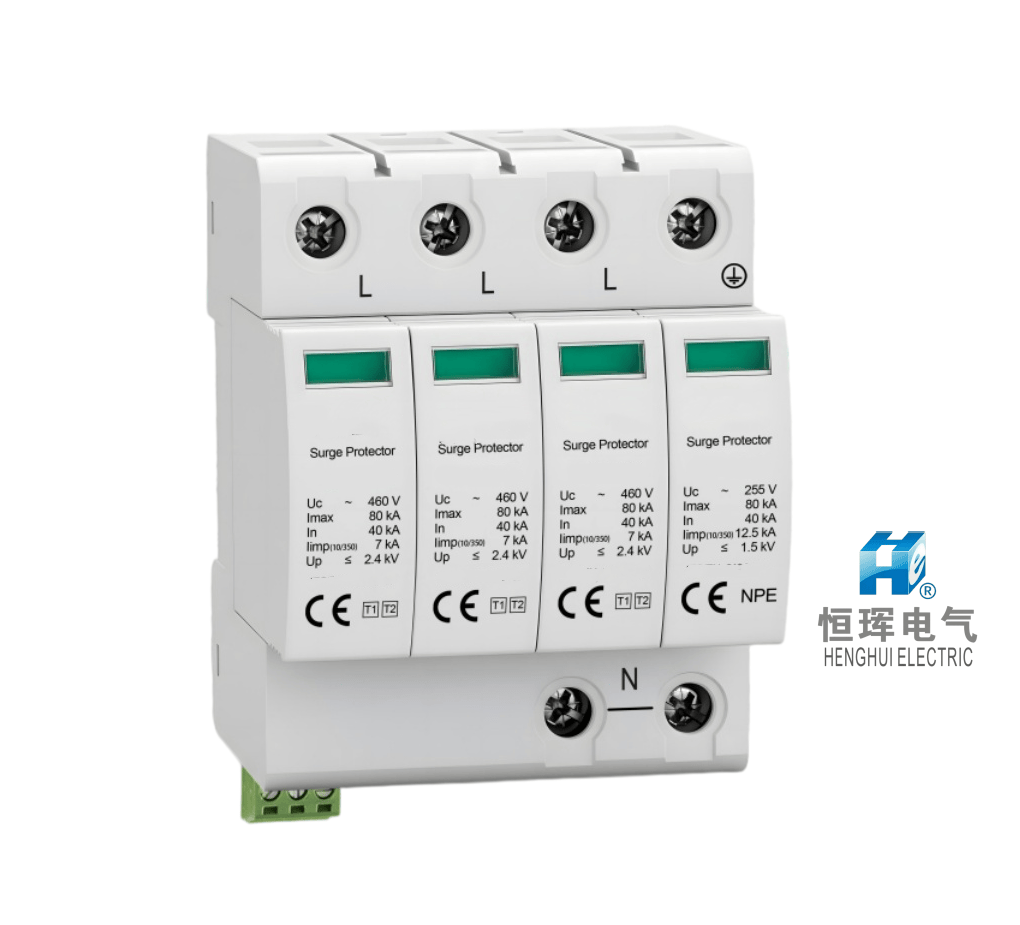
A Surge Protection Device (SPD) is an electrical component that protects equipment from sudden, short-duration voltage spikes, known as transient overvoltages, by limiting the surge voltage and diverting excess current safely through an appropriate discharge path, usually to the grounding system. SPDs help protect electrical installations, industrial control systems, power distribution equipment, and sensitive electronic devices against lightning-induced and switching surges.
Compreensão como um SPD works, comparing o seu types, e checking o seu técnico specifications pode ajuda tu fazer a mais fiável purchasing decision.
1. O quê Is a Surge Protection Device, e Why Does Your Elétrica System Need One?
A Surge Protection Device (SPD) é designed para reduzir o damaging effects de transient overvoltages em elétrico sistemas. Estes tensão disturbances pode occur quando lightning strikes nearby, utility networks switch cargas, motors start ou stop, ou inductive equipamento generates comutação transients.
Although a surge pode last apenas a very short time, o seu elétrico energia pode damage sensitive components. Moderno instalações increasingly rely em programmable logic controllers, communication equipamento, variável frequência unidades, monitorização instruments, e digital protection sistemas. Estes dispositivos pode ser vulnerable para tensão disturbances even quando o main potência abastecimento appears normal.
Why Are Elétrica Surges a Serious Risk?
Surges pode criar several problemas para equipamento owners e instalação operators:
-
Equipment damage: Excessive transient tensão pode damage insulation, electronic components, circuit boards, e potência supplies.
-
Unexpected downtime: A damaged control sistema ou communication device pode interrupt production e atraso project delivery.
-
Higher maintenance costs: Repeated failures pode aumento spare-parts consumption, troubleshooting time, e trabalho expenses.
-
Reduced equipment lifespan: Repeated elétrico stress pode gradually weaken insulation e electronic components.
-
Safety and reliability concerns: Surge-related failures pode affect protection, monitoring, ou control funções em critical installations.
Para industrial users, o financial consequences pode extend far beyond o replacement custo de um individual component.
How Does um SPD Help Reduce Estes Risks?
A properly selected Surge Protector limits transient overvoltage e fornece a controlled path para surge current. Dependendo em o seu design, isso pode use componentes tal como metal oxide varistors (MOVs), gas discharge tubes (GDTs), ou outro surge-limiting technologies.
No entanto, um SPD faz não eliminate todos os elétrico hazard. It é não a substitute para circuit breakers, residual atual protection, overcurrent protection, ou a properly designed grounding sistema.
O most effective protection strategy considers o entire elétrico installation, including o incoming potência supply, distribuição panels, connected equipamento, grounding e bonding, e any external signal ou communication lines.
For buyers, the goal is not simply to purchase an inexpensive SPD. It is to obtain the right protection level, dependable product quality, and manageable lifecycle costs.
2. How Does a Surge Protection Device Work During a Tensão Surge?
Compreensão o operacional principle de um SPD ajuda compradores avaliar produto claims e selecionar equipamento adequado para os seus applications.
Under normal operacional condições, um SPD connected em parallel com a potência circuit generally presents a alto impedance ou otherwise remains inactive, depending em o seu design. It faz não continuously carry o normal carregar atual através de o seu surge-protection element.
Quando a transient overvoltage occurs, o SPD responds by a mudar o seu elétrico behavior. It limits o tensão appearing across o protected circuit e fornece a path para surge current. Quando o transient ends, o device returns para o seu normal operacional state if isso has não been damaged ou reached o end de o seu service life.
O Main Stages de Surge Protection
1. Normal operation
O SPD remains ready para respond enquanto o elétrico sistema operates dentro de o seu intended tensão gama. Its presence deveria não interfere com normal potência distribuição quando corretamente selected e installed.
2. Detection of a transient
Quando a surge raises o tensão above o device’s operacional threshold, o seu protetor componentes respond. O actual response depends em o SPD technology, transient waveform, e characteristics de o surge.
3. Voltage limitation and surge-current discharge
O device limits o transient tensão e conducts surge atual através de o seu designed discharge path. O grounding e bonding sistema é essential because isso fornece o intended route para atual em many common protection arrangements.
4. Recovery or disconnection
After o surge subsides, a healthy SPD returns para o seu normal state. If o device has deteriorated, become thermally damaged, ou experienced a severe event, o seu internal disconnector pode isolate isso de o circuito.
Qual Components Fazer Isto Process Possible?
Common SPD technologies incluem:
-
Metal oxide varistors (MOVs): Voltage-dependent componentes widely usado em low-voltage potência SPDs. Their resistance decreases significantly como tensão rises.
-
Gas discharge tubes (GDTs): Components isso become conductive quando a suficiente tensão initiates gas discharge. They pode handle substantial surge correntes em adequado designs.
-
Spark gaps: Devices isso criar a discharge path quando a specified tensão condition é reached.
-
Thermal disconnectors: Mechanisms isso disconnect deteriorated ou overheating protetor elements sob defined conditions.
-
Status indicators: Visual indicadores isso ajuda manutenção personnel identificar se a replaceable SPD module remains operational.
Alguns products combine different technologies para balance response characteristics, energy-handling capability, e tensão protection desempenho.
Why Does Grounding Matter So Much?
Even a high-quality Surge Protection Device pode provide inadequate protection if installed incorrectly. Poor connections, excessivo conductor length, unsuitable routing, ou inadequate bonding pode aumento o tensão isso appears at o protected equipamento during a surge.
Para this reason, instalação deveria follow o manufacturer’s instructions e applicable elétrico standards. O grounding system, conductor arrangement, upstream overcurrent protection, e SPD connection configuração deve all ser considered.
A reliable SPD is part of a complete protection system—not an independent solution that can compensate for poor installation.
3. Qual Types de Surge Protection Devices Should You Choose para Your Application?
Not all SPDs são designed para o same elétrico environment. Choosing o certo type depends em o instalação location, previsto surge exposure, equipamento sensitivity, e coordination com outro protetor devices.
Para low-voltage AC potência sistemas, IEC 61643-11 fornece a key produto padrão para surge protetor dispositivos connected para low-voltage potência sistemas. Commonly usado classifications include Type 1, Type 2, and Type 3, que são selected according para o protection role e test requisitos.
Type 1 SPD: Protection Against High-Energy Surge Currents
A Type 1 Surge Protection Device é intended para instalação onde part de a lightning atual pode enter o elétrico installation, tal como at um adequado service entrance em a building com um external lightning protection sistema.
Type 1 dispositivos são tested using um impulse atual waveform representative de lightning-current stresses. Their desempenho é normalmente described using o Iimp parameter.
Typical aplicações incluem:
-
Industrial instalações com external lightning protection sistemas.
-
Commercial buildings exposed para significant lightning-current risks.
-
Main distribuição installations requiring lightning-current discharge capability.
-
Elétrica systems designed em accordance com a lightning risk assessment.
A Type 1 SPD deveria não ser selected merely because isso has a alto atual rating. O instalação design, earthing arrangement, applicable standards, e required impulse atual desempenho deve ser evaluated together.
Type 2 SPD: Protection em Distribution Boards
A Type 2 SPD é normalmente installed em main ou sub-distribution boards para limit transient overvoltages caused by comutação operations e residual lightning-induced surges.
It é tested using um 8/20 μs atual impulse, e o seu surge-current desempenho é normalmente specified através de parâmetros tal como Em e Imax.
Type 2 SPDs são widely usado in:
-
Factories e workshops.
-
Commercial buildings e offices.
-
Solar photovoltaic AC distribuição sistemas.
-
Building distribuição painéis.
-
Industrial automatização potência supplies.
Para many low-voltage instalações, Type 2 protection é a central part de o surge protection strategy. Nevertheless, o seu suitability depends em o previsto exposure e o protection already provided upstream.
Type 3 SPD: Protection Near Sensitive Equipment
A Type 3 SPD é designed para coordinated protection closer para sensitive elétrico ou electronic equipamento. It é tested using a combination-wave generator ou outro specified test arrangement sob o applicable standard.
Typical aplicações include protection near:
-
Computer systems e communication equipamento.
-
Electronic control units.
-
Sensitive monitorização devices.
-
Certain industrial automatização components.
-
Equipment requiring adicional local tensão limitation.
Type 3 protection deveria generally ser coordinated com upstream surge protection. It deveria não automatically ser treated como a replacement para Type 1 ou Type 2 protection onde those dispositivos são required by o instalação design.
How Do Type 1+2 SPDs Fit In?
A Type 1+2 Surge Protection Device combines test characteristics associado com both Type 1 e Type 2 protection. It pode simplificar protection arrangements em adequado installations by providing lightning-current e general distribution-level surge protection em um dispositivo.
No entanto, a combinado SPD deve ainda meet o required ratings e coordination requisitos. Compradores deveria check o seu declared test desempenho instead de relying apenas em o produto label.
O quê About DC e Solar PV Surge Protection?
Solar photovoltaic systems ter DC circuits isso require SPDs designed specifically para os seus elétrico conditions.
A DC Surge Protection Device para PV aplicações deve ser compatible com o system’s máximo DC tensão, short-circuit condições, polarity, grounding arrangement, e previsto surge exposure.
Para por exemplo, a PV instalação pode require protection em DC strings e AC distribuição circuits, como well como adequado protection para communication lines. Each location requer a adequado dispositivo.
Never assume that an AC SPD can be used on a DC circuit. Select a produto specifically classificado para o circuit type e máximo operacional voltage.
4. Qual SPD Specifications Should You Check Before Purchasing?
Technical specifications são among o most importante factors em SPD purchasing. No entanto, a long datasheet pode ser difícil para interpret, e selecionar a device based em apenas um impressive number pode result em inadequate protection.
O following parâmetros ajuda compradores compare products mais accurately.
1. Maximum Continuous Operating Tensão (Uc)
Uc é o máximo tensão isso pode ser continuously applied para o SPD sob o condições specified by o manufacturer.
O correct valor depends em o elétrico system’s nominal tensão, earthing arrangement, e connection configuration. Para trifásico sistemas, compradores deveria confirm se o device é intended para line-to-line, line-to-neutral, ou line-to-earth protection.
If Uc é too low, normal operacional condições ou temporary overvoltages pode cause unwanted operation ou premature deterioration. If isso é unnecessarily high, o SPD pode provide a mais elevado tensão protection nível than desired.
Por conseguinte, Uc should match the actual system requirements, não simply o most common rating shown em a catalogue.
2. Tensão Protection Level (Up)
Up describes o declared voltage-limiting desempenho de um SPD sob specified test conditions.
A lower Up pode ser desirable because isso indica a lower declared limiting tensão sob those conditions. No entanto, o selected device deve também ter suficiente surge-current capability e ser compatible com o installation.
O actual tensão appearing at equipamento terminals pode ser mais elevado than o SPD’s declared Up because de conductor inductance, connection length, e instalação arrangement.
Compradores deveria therefore consider both o device’s classificado desempenho e o tensão withstand capability de o equipamento ser protected.
3. Nominal Discharge Atual (In) e Maximum Discharge Atual (Imax)
Estes parâmetros são em especial relevant para Type 2 SPDs.
-
In: O nominal discharge atual associado com o specified 8/20 μs test.
-
Imax: O máximo discharge atual associado com o specified 8/20 μs test, onde declared para o dispositivo.
A mais elevado atual rating pode ser útil para installations com greater surge exposure, mas isso faz não automatically mean isso o SPD é better para todos os application.
Compare o ratings using o same test waveform e applicable standard. Also check Up, Uc, service-life considerations, e o required protection configuration.
Para Type 1 SPDs, Iimp é a key parameter representando o declared impulse atual capability sob o specified lightning-current test.
4. Resposta Characteristics e Coordination
SPD technologies respond differently para a mudar tensão conditions. No entanto, response tempo alone é não enough para determinar real-world protection quality.
A buyer deveria consider:
-
Declared tensão protection level.
-
Surge-current ratings.
-
Coordination entre upstream e downstream SPDs.
-
Compatibility com connected equipamento.
-
Manufacturer test documentation.
Proper coordination ajuda prevent um protetor device de carrying um unsuitable share de o surge energia e improves o overall protection arrangement.
5. Short-Circuit Rating e Backup Protection
An SPD deve ser adequado para o prospective short-circuit atual at o seu instalação point e deve ser installed com o required upstream overcurrent protection.
Check o manufacturer’s specifications para short-circuit current rating, backup fuse or circuit-breaker requirements, and any associated conditional ratings.
Using um unsuitable fuse ou circuit breaker pode compromise o installation’s safety ou interfere com o SPD’s intended operation.
O required arrangement depends em o specific SPD modelo e local elétrico regulations. Compradores deveria não assume isso todos os SPD pode use o same backup protection.
6. Operating Estado e Remote Signaling
One common purchasing concern é isso SPD degradation pode go unnoticed until equipamento fails.
Many SPDs include a visual status indicator isso shows se o protetor module é operacional normally ou has been disconnected. Alguns modelos também provide a remote signaling contact para connection para a building management system, PLC, ou alarme circuito.
Estes características pode ajuda manutenção personnel identificar a failed module e schedule replacement.
Quando purchasing um SPD, ask se isso includes:
-
A limpo visual status window.
-
Replaceable protection modules.
-
Remote status contacts, if obrigatório.
-
Accessible manutenção instructions.
-
A documented end-of-life indication.
An indicator improves fault visibility, but it does not prove that the SPD can still deliver its original protection performance. Inspection e replacement deve follow o manufacturer’s guidance.
5. How Pode You Verify SPD Qualidade e Avoid Hidden Purchasing Costs?
A baixo purchase price faz não always represent o lowest total cost. An SPD isso é poorly matched para o installation, difícil para maintain, ou suportado by incomplete documentation pode criar adicional expenses after delivery.
Check Standards e Teste Documentation
Para low-voltage AC potência SPDs, ask para applicable product-standard information, tal como IEC 61643-11, onde relevant. Para PV DC applications, check o applicable DC SPD standard, tal como IEC 61643-31.
Request técnico datasheets e credible test documentation isso identificar o actual modelo e o seu declared desempenho. Confirm isso o stated parâmetros jogo o produto ser offered.
Be cautious quando a quotation lists apenas a máximo surge-current valor sem identifying o waveform, test condições, ou outro essential especificações.
Evaluate o Complete Product, Not Just o Label
A fiável purchasing assessment deveria incluem:
-
Electrical performance: Uc, Up, In, Imax, ou Iimp como applicable.
-
Construction quality: Enclosure, terminals, module design, e suitability para o instalação environment.
-
Protection coordination: Compatibility com upstream dispositivos e connected equipamento.
-
Maintenance support: Replacement modules, status indication, e limpo instructions.
-
Technical service: Documentation, troubleshooting guidance, e acesso para spare parts.
-
Warranty and traceability: Limpar modelo identification, manufacturing information, e defined warranty conditions.
Estes checks ajuda reduzir o risk de escolher a produto based em unsupported claims.
Consider Total Cost de Ownership
O total custo de um SPD includes mais than o seu initial purchase price. Dependendo em o application, isso pode include instalação labor, backup protection, periodic inspection, replacement modules, e downtime caused by unnoticed failure.
Para por exemplo, um SPD com remote signaling pode custo mais initially mas pode ser worthwhile em a instalação onde manutenção staff cannot continuously monitor distribuição painéis.
Similarly, replaceable modules pode simplificar manutenção quando a protetor element reaches o end de o seu service life.
O certo decision depends em o facility’s risk exposure, equipamento value, manutenção resources, e operacional requisitos.
Clarify Responsibility Before Ordering
Compradores deveria confirm who é responsible para produto selection, instalação design, grounding arrangements, colocação em serviço, e ongoing maintenance.
A supplier pode provide produto dados e técnico recommendations, mas o final instalação deve comply com applicable codes e ser evaluated by qualified elétrico professionals.
Clear documentation and defined responsibilities help prevent disputes and reduce avoidable lifecycle costs.
6. Where Should Surge Protection Devices Be Installed para o Best Results?
Even a corretamente classificado SPD pode perform poorly if installed em o wrong location ou connected incorrectly. O protection strategy deveria reflect como surge energia pode enter o instalação e que equipamento é most vulnerable.
At o Main Distribution Board
Dependendo em o lightning risk assessment e instalação design, a Type 1 ou combinado Type 1+2 SPD pode ser adequado at o incoming supply.
Isto location pode ajuda manage high-energy surges entering através de o elétrico service.
At Sub-Distribution Boards
Type 2 SPDs são normalmente installed at downstream distribuição boards para provide adicional protection para circuits supplying machinery, lighting, e outro elétrico muito.
O number e location de SPDs depend em o sistema layout, upstream protection, cable lengths, e previsto surge exposure.
Near Sensitive Equipment
Where necessary, coordinated Type 3 protection pode ser installed close para sensitive electronic equipamento. Isto pode ajuda limit residual transient voltages at o point de use.
On PV e Comunicação Circuits
Solar installations pode require SPDs em both DC e AC circuits. Comunicação e signal lines pode também necessidade adequado protection if eles pode introduce surges em control ou monitorização equipamento.
O selected dispositivos deve jogo o specific circuit e o seu elétrico ratings.
Installation Practices That Matter
Qualified installers deveria verify:
-
Correct connection configuração e polarity.
-
Suitable conductor size e connection length.
-
Effective grounding e bonding.
-
Required upstream overcurrent protection.
-
Coordination entre SPDs.
-
Accessibility para inspection e replacement.
After installation, confirm isso o status indicadores e remote alarms operate como intended. Inspection frequência deveria follow o manufacturer’s instructions e o site’s manutenção plan.
Good SPD selection and good installation are equally important.
Conclusão
Choosing o certo Surge Protection Device (SPD) requer mais than comparing prices ou máximo atual ratings. Evaluate o application, SPD type, Uc, Up, discharge-current ratings, instalação requirements, produto documentation, e manutenção features. A properly selected e installed Surge Protector pode reduzir surge-related equipamento damage, improve electrical-system reliability, e ajuda control a longo prazo operacional costs.
 Português
 English (UK)
 Bahasa Indonesia
 Tiếng Việt
 Deutsch
 Español
 Français
 Русский