
¿Cómo se puede elegir el cuadro eléctrico adecuado para garantizar la seguridad eléctrica, una distribución fiable de la energía y unos menores costes de funcionamiento?
Electrical systems face several challenges: hidden safety risks that are difficult to detect, complicated maintenance, slow fault troubleshooting, limited expansion flexibility, and communication barriers between devices using different protocols. Poorly selected switchgear can lead to unexpected power outages, equipment damage, safety hazards, y rising operating costs. In addition, unsuitable designs may struggle to adapt to demanding site conditions or future capacity requirements. Choosing the right Switchgear solution helps overcome these challenges through intelligent protection, reliable power distribution, flexible configurations, y easier maintenance. This guide explains the essential features y selection considerations to help you make a confident purchasing decision.
What is a Switchgear?
Switchgear is a centralized combination of electrical disconnect switches, fuses, and circuit breakers designed to control, protect, and isolate electrical equipment in a power system. It manages normal power flow and automatically interrupts electrical current during faults such as short circuits and overloads. As a critical component of power distribution, switchgear helps improve electrical safety, protect equipment, and maintain reliable power supply across industrial, commercial, and infrastructure applications.
Understanding its functions, structure, y selection criteria will help you invest in switchgear that delivers long-term value.
1. What Is the Purpose of Switchgear in an Electrical Power System?
The primary purpose of switchgear is to ensure the safe, reliable, y efficient operation of electrical power systems. It controls the flow of electricity, protects electrical equipment against abnormal conditions, y isolates faulty circuits to prevent damage from spreading throughout the distribution network.
In industrial plants, commercial buildings, power stations, y infrastructure projects, electrical systems contain numerous interconnected components. Without appropriate protection y control equipment, even a minor electrical fault can interrupt an entire production line or damage expensive machinery.
Switchgear provides several important benefits.
1.1 Electrical Seguridad y Fault Protection
Electrical faults such as short circuits, overloads, ground faults, y abnormal voltage conditions can create serious safety risks.
Modern switchgear integrates different protective devices, including:
-
Circuit breakers: Interrupt electrical current when abnormal conditions occur.
-
Protective relays: Monitor electrical parameters y identify abnormal operating conditions.
-
Disconnect switches: Provide electrical isolation during inspection y maintenance.
-
Fuses: Protect circuits by interrupting excessive current.
-
Surge protection devices: Help protect electrical systems against transient overvoltages when properly specified.
When a fault occurs, the protection system detects the abnormal condition y sends a trip command to the relevant circuit breaker.
This process helps prevent equipment damage, reduce electrical fire risks, y protect personnel.
1.2 Reliable Power Distribution
Switchgear plays an important role in distributing electrical power from incoming power sources to different outgoing circuits.
A properly designed Distribution Cabinet can organize electrical connections y provide controlled power distribution to transformers, motors, production equipment, lighting systems, y other electrical loads.
Depending on the application, switchgear may support:
-
Incoming power distribution.
-
Outgoing feeder protection.
-
Busbar connections.
-
Transformador protection.
-
Motor control y protection.
-
Generator y utility power switching.
By coordinating these functions, switchgear helps maintain a stable electrical supply throughout a facility.
1.3 Equipment Isolation y Maintenance
Electrical equipment requires regular inspection, testing, y maintenance.
Switchgear allows operators to isolate specific circuits without necessarily shutting down the entire electrical system.
For example, if one outgoing feeder requires maintenance, the corresponding switching device can disconnect that circuit while other independent circuits continue operating, provided the system configuration y safety procedures permit it.
This improves maintenance flexibility and operational continuity.
1.4 Reduced Downtime y Operating Costs
Unexpected electrical failures can result in production interruptions, repair expenses, equipment replacement, y financial losses.
Modern switchgear can incorporate intelligent monitoring y communication functions to provide information about operating conditions.
Depending on its configuration, it can monitor:
-
Voltage y current.
-
Power consumption.
-
Operating temperature.
-
Circuit breaker status.
-
Fault records.
-
Alarm information.
These functions help maintenance teams identify potential problems earlier y make more informed maintenance decisions.
Ultimately, the right switchgear solution helps businesses improve electrical reliability, operational safety, and total lifecycle cost efficiency.
2. What Are the Primary Functions of Modern Switchgear?
Beyond basic switching y protection, modern switchgear performs several interconnected functions that determine the reliability y performance of an electrical distribution system.
Understanding these functions helps purchasing managers evaluate whether a particular Switch Cabinet meets their project requirements.
2.1 Switching y Electrical Control
The switching function allows operators to connect or disconnect electrical circuits according to operational requirements.
Common switching operations include:
-
Connecting incoming power supplies.
-
Disconnecting outgoing feeders.
-
Switching between different power sources.
-
Isolating electrical equipment.
-
Controlling power distribution branches.
Depending on the system design, switching operations may be performed manually, electrically, or automatically.
For industrial applications, electrical y remote switching functions can improve operating convenience y reduce unnecessary manual intervention.
2.2 Overcurrent y Short-Circuit Protection
Excessive current can cause overheating, insulation deterioration, y equipment damage.
Switchgear uses circuit breakers, protective relays, y fuses to detect y interrupt abnormal currents.
For example, when a short circuit occurs, the protective relay or circuit breaker’s integrated protection mechanism identifies the fault y initiates circuit interruption.
However, protection performance depends on correct device selection, coordination settings, y the available fault current.
Purchasers should pay attention to:
-
Rated current.
-
Rated voltage.
-
Short-circuit breaking capacity.
-
Short-time withstand current.
-
Protection characteristics.
-
Selectivity y coordination requirements.
These parameters are essential for ensuring that the switchgear matches the electrical characteristics of the project.
2.3 Electrical Isolation
Isolation is necessary when electrical equipment requires maintenance, inspection, or repair.
A properly designed switchgear assembly provides suitable isolation arrangements to help technicians work on designated equipment safely.
For medium-voltage applications, this may involve disconnectors, earthing switches, y mechanical or electrical interlocking systems.
Safety interlocks help prevent incorrect switching operations, such as closing an earthing switch while the relevant circuit remains energized.
The exact isolation procedure must follow the equipment design, applicable standards, y site safety requirements.
2.4 Monitoring y Intelligent Communication
Traditional switchgear mainly focuses on electrical switching y protection.
Modern intelligent switchgear can integrate monitoring instruments, communication modules, y digital protection devices.
Common communication protocols include:
-
Modbus RTU.
-
Modbus TCP.
-
IEC 61850.
-
PROFIBUS.
-
Industrial Ethernet.
These interfaces can connect switchgear to PLC systems, SCADA platforms, energy management systems, y building automation systems.
This reduces information barriers between different devices y allows operators to access electrical operating data through a centralized platform.
2.5 Power Distribution y System Expansion
Switchgear distributes electricity through incoming y outgoing circuits connected to busbar systems.
For growing industrial facilities, future expansion is an important purchasing consideration.
A modular switchgear design can provide additional feeder compartments, reserved installation space, y flexible connection arrangements.
This makes it easier to accommodate additional loads or modify the distribution network when project requirements change.
3. What Is the Difference Between a Circuit Breaker y Switchgear?
Although circuit breakers y switchgear are closely related, they are not the same thing.
A circuit breaker is an individual electrical switching and protection device, whereas switchgear is a complete assembly or system that incorporates circuit breakers and other electrical components.
Understanding this distinction is important when purchasing electrical distribution equipment.
3.1 What Is a Circuit Breaker?
A circuit breaker is designed to automatically interrupt electrical current when abnormal conditions occur.
Its primary functions include:
-
Overload protection.
-
Short-circuit protection.
-
Switching electrical circuits.
-
Protecting cables y connected equipment.
Common circuit breaker types include:
Miniature Circuit Breaker (MCB)
MCBs are commonly used in residencial y light commercial electrical distribution systems. They protect smaller circuits against overloads y short circuits.
Molded Case Circuit Breaker (MCCB)
MCCBs are widely used in industrial y commercial distribution systems. They generally support higher current ratings y may offer adjustable protection settings.
Air Circuit Breaker (ACB)
ACBs are commonly installed in low-voltage main distribution systems where higher current ratings y advanced protection functions are required.
Vacuum Circuit Breaker (VCB)
VCBs are widely used in medium-voltage power distribution systems. They use vacuum interrupters to extinguish electrical arcs during circuit interruption.
3.2 What Is Switchgear?
Switchgear is a complete electrical assembly designed to control, protect, isolate, y distribute electrical power.
A typical switchgear assembly may include:
-
Circuit breakers.
-
Disconnectors.
-
Protective relays.
-
Current transformers.
-
Voltage transformers.
-
Busbars.
-
Metering instruments.
-
Earthing switches.
-
Control y monitoring devices.
-
Metal enclosures.
The actual configuration depends on the rated voltage, electrical design, application, y protection requirements.
3.3 Key Differences Between Circuit Breakers y Switchgear
| Comparison | Circuit Breaker | Switchgear |
|---|---|---|
| Definition | Individual switching device | Complete electrical assembly |
| Main function | Interrupts abnormal current | Controls, protects, isolates, y distributes power |
| Components | Switching y protection mechanism | Multiple electrical devices y components |
| Installation | Installed inside electrical systems or assemblies | Installed as a complete distribution unit |
| Aplicación | Circuit-level protection | System-level power distribution |
| Complexity | Relatively simple | More comprehensive |
| Customization | Mainly based on device specifications | Can be customized according to project requirements |
3.4 Which One Should You Purchase?
If your project only requires an individual protective device for a specific electrical circuit, purchasing a circuit breaker may be sufficient.
However, if you need an integrated solution for incoming power, outgoing feeders, busbar distribution, protection, monitoring, y electrical isolation, a complete switchgear assembly is more appropriate.
For industrial projects, purchasing a properly engineered Switch Cabinet can simplify installation, improve component coordination, y make future maintenance more convenient.
Remember that the circuit breaker is only one part of the overall switchgear protection system. Its performance must match the complete electrical design.
4. What’s the Difference Between a Switchboard y Switchgear?
Switchboards y switchgear are both used in electrical power distribution systems. They may look similar because both contain circuit breakers, busbars, protective devices, y electrical enclosures.
However, they differ in their typical applications, construction, protection arrangements, y voltage ranges.
Choosing between them requires understanding the electrical requirements of your project.
4.1 What Is a Switchboard?
A switchboard is an electrical assembly used to distribute electricity to different circuits y loads.
It commonly contains:
-
Main circuit breakers.
-
Branch circuit breakers.
-
Busbars.
-
Electrical meters.
-
Protective devices.
-
Control components.
Switchboards are widely used in commercial buildings, factories, shopping centers, office buildings, y residencial electrical distribution systems.
Their main purpose is to organize electrical distribution y provide circuit-level protection.
Low-voltage switchboards are particularly common in systems operating at 400V, 415V, or 480V, depending on regional electrical standards.
4.2 What Is Switchgear?
Switchgear generally refers to electrical assemblies designed for switching, protection, control, y isolation.
It is available for both low-voltage y medium-voltage applications.
Depending on the design, switchgear may incorporate advanced protection relays, circuit breakers, disconnectors, earthing switches, interlocks, y monitoring systems.
For medium-voltage applications, metal-enclosed switchgear is commonly used in industrial substations, utility distribution networks, y power generation facilities.
4.3 Switchboard vs. Switchgear: Main Differences
| Comparison | Switchboard | Switchgear |
|---|---|---|
| Main purpose | Electrical power distribution | Switching, protection, isolation, y distribution |
| Typical applications | Commercial buildings y factories | Industrial plants, substations, y power networks |
| Voltage range | Commonly low voltage | Low y medium voltage |
| Construction | Distribution sections y protective devices | Depends on voltage class y equipment design |
| Protection | Circuit-level protection | Integrated protection y switching arrangements |
| Isolation | Depends on configuration | Often includes dedicated isolation arrangements |
| Interlocking | Depends on design | More comprehensive in many medium-voltage designs |
| Monitoring | Basic to advanced | Basic to advanced |
It is important to understand that the terms can overlap.
Some low-voltage switchgear assemblies are also described as switchboards, y product terminology varies between manufacturers y markets.
Therefore, purchasers should not rely on product names alone.
Instead, evaluate the equipment’s rated voltage, short-circuit performance, protection configuration, construction, and applicable standards.
4.4 Which Is Better for Industrial Projects?
For a commercial building requiring straightforward low-voltage power distribution, a conventional switchboard may be sufficient.
For industrial substations or projects involving higher fault levels, more complex protection requirements, y dedicated electrical isolation, an appropriately designed switchgear assembly may be the better solution.
The final selection should always be based on the project’s electrical specifications rather than terminology alone.
5. How Do You Choose the Right Switchgear for Your Project?
Selecting suitable switchgear is not simply about comparing prices or choosing a familiar manufacturer.
A purchasing decision should consider electrical performance, safety, operating conditions, maintenance requirements, y future expansion.
The following factors can help you evaluate potential suppliers.
5.1 Determine the Rated Voltage y Current
Rated voltage y rated current are two fundamental parameters.
Switchgear must be compatible with the electrical system in which it will operate.
Common low-voltage applications include:
-
220V.
-
380V.
-
400V.
-
415V.
-
480V.
Medium-voltage applications may include:
-
6kV.
-
10kV.
-
11kV.
-
20kV.
-
35kV.
The rated current should also match the expected electrical load y system design.
Choosing equipment with insufficient ratings can create overheating y reliability problems.
5.2 Check Short-Circuit Performance
Short-circuit performance is essential for electrical safety.
Purchasers should evaluate:
-
Rated short-circuit breaking current.
-
Rated short-time withstand current.
-
Peak withstand current.
-
Protection coordination.
-
Fault interruption capability.
These parameters must be verified against the project’s calculated fault levels.
5.3 Consider the Installation Environment
Switchgear may operate in challenging environments, including:
-
High-temperature industrial facilities.
-
Humid environments.
-
Dusty production workshops.
-
Outdoor substations.
-
Coastal areas.
-
Underground electrical rooms.
Environmental conditions can affect insulation performance, enclosure durability, y component service life.
Depending on the application, consider suitable enclosure protection, ventilation, corrosion resistance, y temperature management.
For outdoor installations, weather-resistant enclosures y appropriate sealing arrangements are particularly important.
5.4 Evaluate Intelligent Monitoring Functions
Modern electrical systems increasingly require centralized monitoring y remote management.
When purchasing intelligent switchgear, consider whether it supports:
-
Real-time electrical parameter monitoring.
-
Circuit breaker status feedback.
-
Fault alarms.
-
Historical event records.
-
Remote operation where permitted.
-
Communication with PLC or SCADA systems.
Protocol compatibility is particularly important when integrating equipment from different manufacturers.
A well-designed communication architecture can reduce commissioning difficulties y improve operational efficiency.
5.5 Evaluate Maintenance y Expansion Flexibility
Switchgear should be designed with sufficient space for inspection, component replacement, y cable connections.
For projects with future capacity expansion, modular designs can offer significant advantages.
Consider:
-
Reserved feeder positions.
-
Modular compartments.
-
Accessible wiring terminals.
-
Clear component identification.
-
Convenient inspection arrangements.
-
Availability of replacement components.
These details may seem minor during purchasing, but they can significantly influence long-term operating costs.
5.6 Compare Total Cost of Ownership
The cheapest switchgear is not necessarily the most economical choice.
Purchasers should consider the complete lifecycle cost, including:
-
Initial equipment purchase price.
-
Transportation y installation.
-
Commissioning expenses.
-
Routine maintenance.
-
Spare parts.
-
Energy losses.
-
Unexpected downtime.
-
Future expansion costs.
A reliable switchgear solution may require a higher initial investment but deliver better long-term value through improved reliability y easier maintenance.
6. What Components Should a Reliable Switchgear Cabinet Include?
A reliable Switch Cabinet consists of multiple electrical y mechanical components working together.
The configuration depends on the voltage level, application, y project specifications.
The following are common components found in switchgear assemblies.
6.1 Circuit Breakers
Circuit breakers are responsible for switching electrical circuits y interrupting abnormal current conditions.
The appropriate type depends on voltage level, rated current, y fault interruption requirements.
6.2 Busbar Systems
Busbars provide conductive paths for distributing electrical power between incoming y outgoing circuits.
Copper y aluminum are commonly used materials.
Busbar selection should consider current-carrying capacity, temperature rise, mechanical strength, y short-circuit withstand requirements.
6.3 Protective Relays
Protective relays monitor electrical parameters y identify abnormal operating conditions.
Common protection functions include:
-
Overcurrent protection.
-
Earth-fault protection.
-
Overvoltage protection.
-
Undervoltage protection.
-
Differential protection.
The specific protection functions depend on the electrical system.
6.4 Current y Voltage Transformers
Current transformers (CTs) y voltage transformers (VTs) provide scaled electrical signals for measurement, monitoring, y protection.
They help protective relays y meters obtain the information needed to evaluate system conditions.
6.5 Enclosure y Insulation System
The enclosure protects internal electrical components against external environmental influences y unauthorized access.
Insulation systems help prevent electrical leakage y phase-to-phase faults.
Depending on the design, switchgear may use air insulation, gas insulation, or solid insulation technologies.
6.6 Monitoring y Control Devices
Digital meters, communication modules, indicator lights, control switches, y human-machine interfaces can improve operating convenience.
These devices help operators monitor system conditions y identify abnormal events more efficiently.
7. Which Industries Commonly Use Switchgear y Distribution Cabinets?
Switchgear is essential in almost every industry that relies on electrical power.
Different applications require different configurations y protection levels.
7.1 Power Generation y Substations
Power plants y substations use switchgear to control electrical connections, protect transformers, y distribute generated electricity.
Medium-voltage y high-voltage switchgear are important for maintaining stable power transmission y distribution.
7.2 Manufacturing y Industrial Facilities
Factories rely on switchgear to supply electricity to production lines, motors, pumps, compressors, y other industrial equipment.
Reliable electrical distribution helps minimize production interruptions y protect expensive machinery.
7.3 Solar y Renewable Energy Proyectos
Solar power plants require electrical distribution y protection equipment to connect photovoltaic generation systems to the grid.
Switchgear can be used in photovoltaic power distribution systems, transformer substations, y grid connection arrangements.
7.4 Commercial Buildings
Shopping centers, office buildings, hospitals, hotels, y data centers require reliable low-voltage distribution systems.
Switchboards y distribution cabinets help distribute power to lighting, HVAC, elevators, y other building services.
7.5 Infrastructure y Transportation
Railway systems, airports, water treatment facilities, y public infrastructure projects also depend on reliable electrical distribution.
Switchgear helps maintain safe power supply to essential equipment y operational systems.
8. How Can You Identify a Reliable Switchgear Manufacturer?
Choosing the right manufacturer is just as important as selecting the correct technical specifications.
A reliable supplier should offer more than standard electrical enclosures. It should understand project requirements y provide suitable engineering, manufacturing, testing, y after-sales support.
Here are several factors worth evaluating.
8.1 Manufacturing Experience y Technical Expertise
Look for manufacturers with experience in electrical distribution equipment y customized switchgear solutions.
An experienced manufacturer should understand different voltage levels, protection configurations, component selection, y industry applications.
Ask whether the company can provide technical drawings, electrical diagrams, y customized configurations.
8.2 Producto Quality y Testing Capabilities
Producto quality directly influences electrical safety y equipment reliability.
Ask manufacturers about:
-
Incoming component inspection.
-
Assembly quality control.
-
Electrical routine testing.
-
Insulation testing.
-
Mechanical operation testing.
-
Factory inspection documentation.
Depending on the product category, relevant standards may include IEC 61439 for applicable low-voltage switchgear y controlgear assemblies y IEC 62271 series standards for high-voltage switchgear y controlgear.
Always verify the specific standard y edition applicable to the equipment.
8.3 Customization y Proyecto Support
Different projects have different requirements.
A professional manufacturer should be able to discuss:
-
Rated voltage y current.
-
Cabinet dimensions.
-
Incoming y outgoing configurations.
-
Protection functions.
-
Communication requirements.
-
Installation conditions.
-
Special enclosure requirements.
Customization is particularly important for industrial projects with non-standard electrical distribution arrangements.
8.4 Delivery y After-Sales Service
Delivery reliability y technical support should also be included in supplier evaluation.
Check whether the manufacturer can provide installation guidance, technical documentation, spare parts, y troubleshooting assistance.
These services can help reduce commissioning delays y long-term maintenance difficulties.
9. Why Choose Ningbo Henghui Electric Co., Ltd. for Your Switchgear Requirements?
Ningbo Henghui Electric Co., Ltd. is a Chinese electrical equipment manufacturer providing electrical distribution y power control solutions for industrial y commercial applications.
With a focus on electrical equipment manufacturing, the company offers products designed to meet different project requirements, including customized electrical cabinet solutions.
Its product range covers multiple categories of electrical distribution y control equipment, such as:
-
Switchgear and Switch Cabinets: Electrical equipment for power distribution, switching, y protection applications.
-
Distribution Cabinets: Solutions for low-voltage power distribution y electrical control.
-
Photovoltaic Grid-Connected Cabinets: Electrical distribution y protection equipment for solar power systems.
-
Transformer Substations: Integrated solutions for power transformation y distribution.
-
Bus Duct Systems: Electrical power transmission solutions for commercial y industrial facilities.
-
PLC Control Cabinets: Automation y electrical control solutions for industrial applications.
-
VFD Control Cabinets: Motor speed regulation y energy-saving control solutions.
-
Energy Storage Cabinets: Electrical equipment for energy storage applications.
-
Low-Voltage and High-Voltage Switchgear: Solutions for different electrical distribution requirements.
For customers with specific project requirements, Ningbo Henghui Electric can discuss equipment configurations y customization according to application conditions y technical specifications.
When evaluating a switchgear supplier, buyers should pay attention to product specifications, manufacturing quality, technical documentation, testing capabilities, y project support.
Learn more about Ningbo Henghui Electric Co., Ltd. and its electrical equipment solutions:
Ningbo Henghui Electric – Official Website
Póngase en contacto con the company to discuss your switchgear requirements y explore suitable electrical distribution solutions for your project.
10. Frequently Asked Questions About Switchgear
Q1: What are the main types of switchgear?
The main categories include low-voltage switchgear, medium-voltage switchgear, and high-voltage switchgear.
They are selected according to system voltage, electrical load, protection requirements, y installation conditions.
Q2: What is the difference between low-voltage y medium-voltage switchgear?
Low-voltage switchgear is commonly used in systems up to 1,000V AC, while medium-voltage switchgear is designed for higher distribution voltages.
Their insulation systems, switching devices, protection arrangements, y construction requirements differ.
Q3: How long does switchgear typically last?
Switchgear service life depends on design quality, operating conditions, maintenance, switching frequency, y component condition.
A well-designed y properly maintained assembly can provide many years of service, but individual components may require inspection or replacement earlier.
Q4: Does switchgear require regular maintenance?
Yes. Regular maintenance is important for reliable operation.
Typical maintenance activities include visual inspections, connection checks, insulation assessment, mechanical operation checks, protection relay testing, y thermal inspections where appropriate.
Maintenance intervals should follow manufacturer recommendations y applicable electrical safety requirements.
Q5: Can switchgear be customized?
Yes. Switchgear can often be customized according to rated voltage, rated current, cabinet dimensions, incoming y outgoing circuits, protection functions, communication protocols, y installation environment.
Purchasers should provide detailed technical specifications before requesting a quotation.
Q6: What is the difference between a switch cabinet y a distribution cabinet?
A switch cabinet generally refers to an electrical enclosure containing switching y protection equipment.
A distribution cabinet focuses on distributing electrical power to different circuits y loads.
In practice, the terminology can overlap, depending on the product design y application.
Conclusion
Choosing the right Switchgear is essential for electrical safety, reliable power distribution, y long-term operating efficiency. By evaluating technical specifications, protection functions, component quality, intelligent monitoring, y manufacturer capabilities, purchasers can find a solution that meets both current requirements y future expansion needs.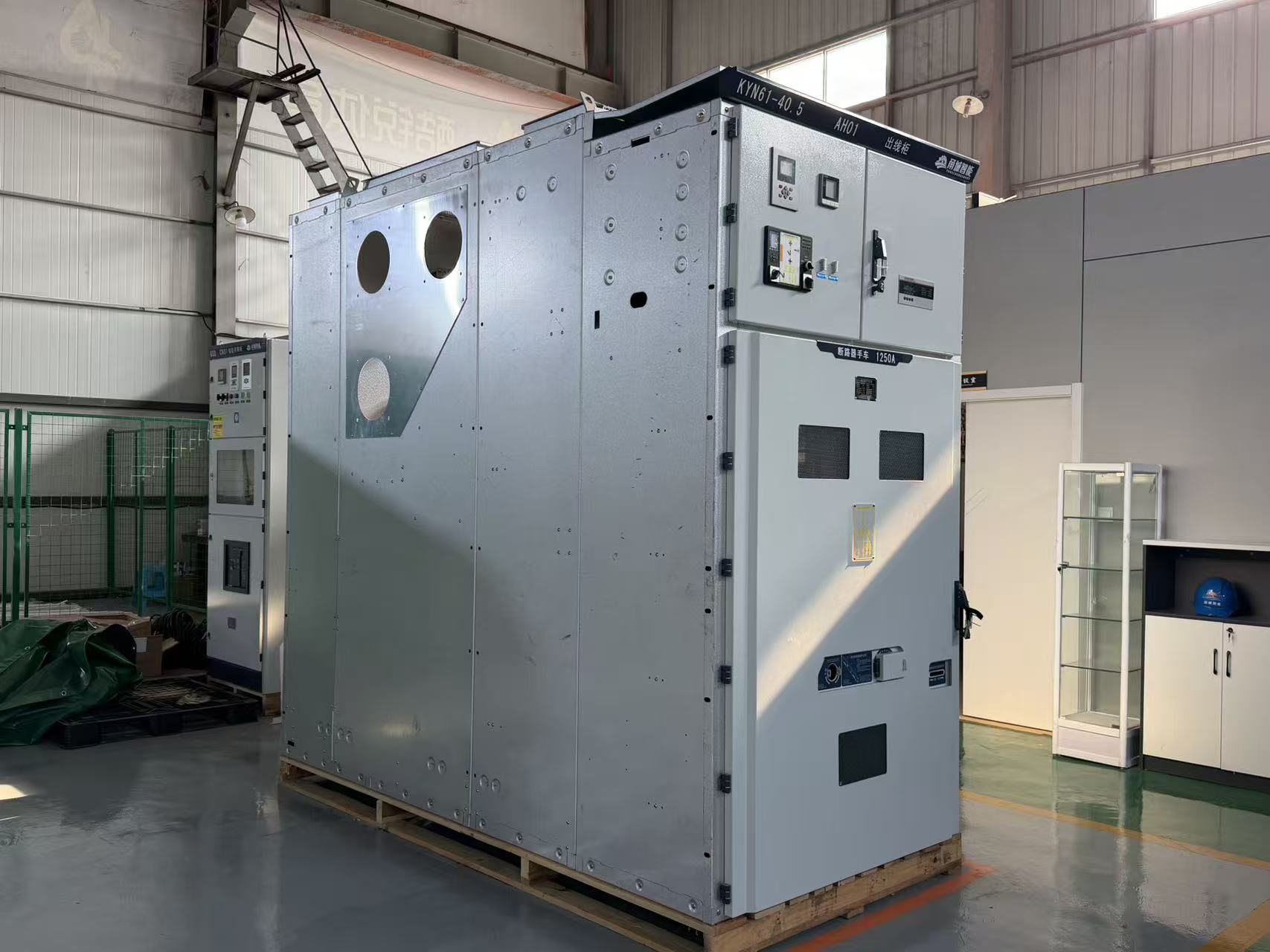
 Español
 English (UK)
 Bahasa Indonesia
 Tiếng Việt
 Deutsch
 Français
 Português
 Русский