
Why Is a Surge Protector Essential for Modern Electrical Systems?
Power surges often happen without warning, yet the damage they cause can be severe. Many businesses and homeowners fail to notice a failing surge protector until sensitive equipment is already damaged. Improper product selection, poor installation practices, or neglected maintenance can also lead to nuisance tripping and ineffective lightning protection. The result may include costly downtime, equipment failure, data loss, and expensive repairs. Fortunately, a properly selected and professionally installed surge protector can significantly reduce these risks. Understanding how surge protection works is the first step toward safeguarding valuable electrical assets.
Table of Contents
ToggleWhat Is a Surge Protector?
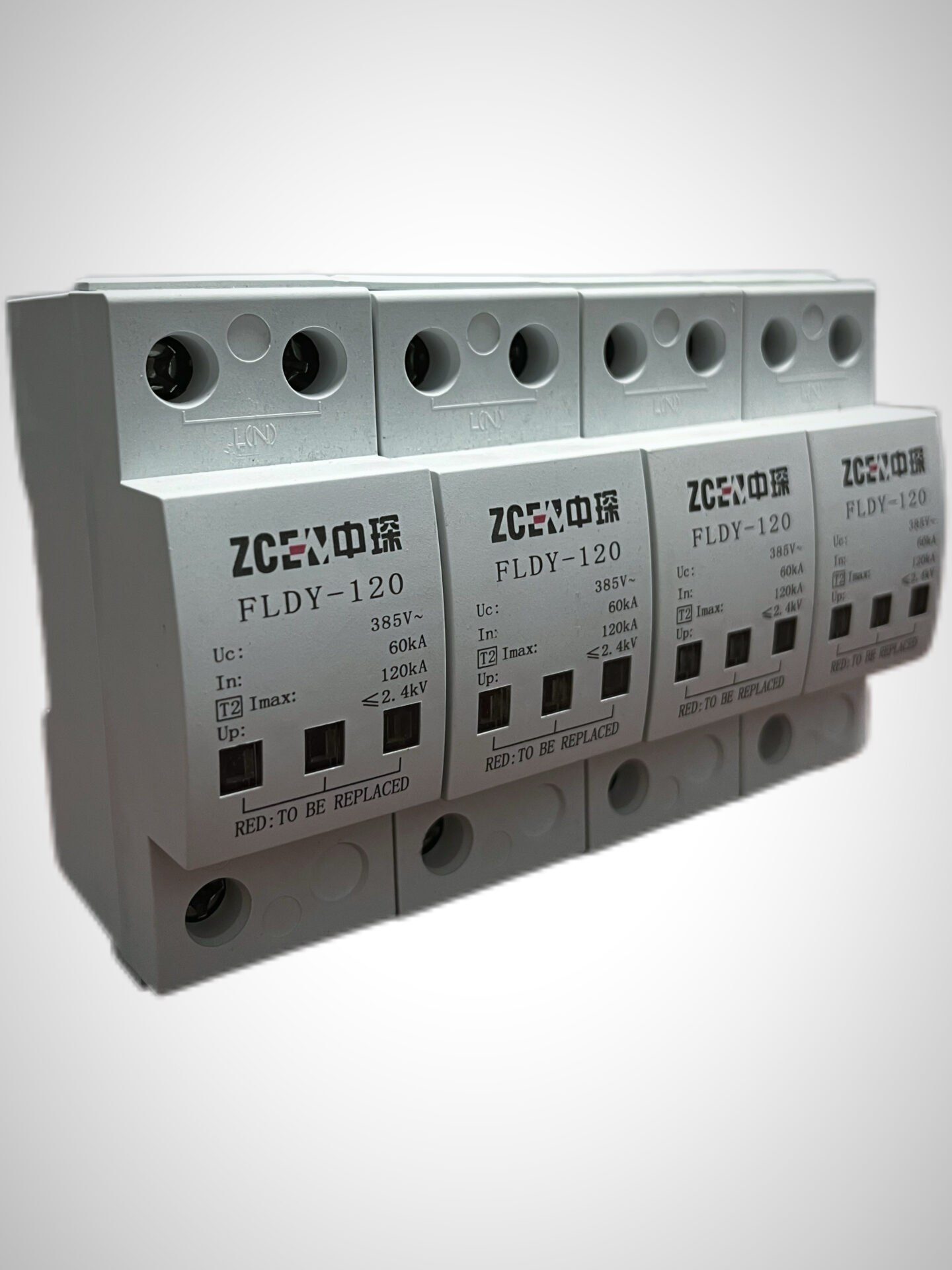
A surge protector is a safety device that prevents voltage spikes from damaging sensitive electronics and electrical equipment. It operates by absorbing, limiting, or diverting excess electrical energy to the grounding system before it reaches connected devices. Unlike circuit breakers, which primarily protect against overcurrent and short circuits, a surge protector specifically addresses transient overvoltages caused by lightning strikes, utility switching events, or electrical disturbances. Properly installed surge protection devices help improve system reliability, extend equipment lifespan, and reduce maintenance costs in residential, commercial, and industrial applications.
Before choosing a solution, it is important to understand how surge protection works and where it delivers the greatest value.
What Does a Surge Protector Do?
A surge protector serves as the first line of defense against transient voltage spikes that can damage electrical and electronic equipment. These surges may originate from external sources, such as lightning strikes near power lines, or internal sources, including the switching of large motors, transformers, air conditioners, and industrial machinery.
Under normal operating conditions, electricity flows through a circuit at a stable voltage level. However, when a sudden voltage spike occurs, the surge protector detects the abnormal condition and redirects excess energy away from connected equipment. Most surge protection devices achieve this through components such as metal oxide varistors (MOVs), gas discharge tubes (GDTs), or transient voltage suppression diodes (TVS).
In industrial facilities, surge protectors help protect critical systems including transformers, switchgear, PLC controllers, communication networks, monitoring equipment, and automation systems. Without proper protection, even a brief surge lasting microseconds can degrade insulation, damage semiconductor components, corrupt data, or cause complete equipment failure.
Modern surge protection solutions are commonly installed at multiple levels. A facility may use a primary surge protector at the service entrance, secondary protection at distribution panels, and point-of-use protection for sensitive devices. This layered approach significantly improves overall protection effectiveness.
For businesses seeking reliable protection, partnering with an experienced surge protector manufacturer or surge protector supplier ensures that products meet international safety standards and application requirements. Many organizations also source products from a professional surge protector factory offering customized solutions and quality assurance programs.
What Should You Never Plug Into a Surge Protector?
Although surge protectors provide valuable protection, not every electrical device should be connected to one. Certain high-power appliances can overload the surge protector, reduce its effectiveness, or create safety hazards.
Generally, the following devices should not be plugged into a standard surge protector:
- Refrigerators
- Freezers
- Microwave ovens
- Air conditioners
- Space heaters
- Sump pumps
- Washing machines
- Dryers
- Large compressors
- Power tools with high startup currents
These appliances draw significant amounts of current, especially during startup. Standard surge protectors are typically designed for electronic equipment rather than heavy-duty loads. Connecting large appliances may cause overheating, nuisance tripping, or premature wear of the surge protection components.
In commercial and industrial environments, equipment such as welding machines, large motors, industrial pumps, and heavy manufacturing machinery should also be connected through dedicated electrical circuits rather than ordinary surge-protected power strips.
Another common mistake is daisy-chaining multiple surge protectors together. This practice can create unpredictable electrical conditions and may violate electrical safety guidelines. Likewise, extension cords should not be permanently connected to surge protectors unless specifically approved by the manufacturer.
Instead, surge protectors are best used for:
- Computers and servers
- Networking equipment
- Security systems
- Telecommunications devices
- Medical electronics
- Industrial control systems
- Smart home devices
- Audio and video equipment
Selecting the correct device for the application is crucial. Reputable surge protector suppliers often provide technical guidance to help customers choose products based on load requirements, surge exposure levels, and installation environments.
Do You Actually Need a Surge Protector?
Many people assume surge protection is only necessary in areas prone to lightning storms. In reality, voltage surges occur much more frequently than most users realize.
Research indicates that a significant percentage of electrical surges originate inside buildings rather than from external sources. Everyday operations such as starting HVAC systems, elevators, motors, generators, pumps, and large electrical loads can generate transient overvoltages. While these surges may be relatively small, repeated exposure gradually degrades sensitive electronics.
For residential users, surge protection helps safeguard televisions, computers, gaming consoles, smart appliances, and home automation systems. Replacing these devices after surge damage can be expensive and inconvenient.
For commercial facilities, the stakes are even higher. Data centers, healthcare facilities, manufacturing plants, and office buildings rely heavily on uninterrupted operation of electronic equipment. A single surge event can result in equipment replacement costs, production downtime, lost revenue, and operational disruptions.
Industrial facilities often face the greatest risk due to the presence of transformers, switchgear, motor control centers, and automated production systems. Effective surge protection becomes an essential part of overall power quality management.
The growing adoption of renewable energy systems has further increased demand for surge protection. Solar photovoltaic installations, wind power systems, battery energy storage systems, and electric vehicle charging stations all require specialized surge protection strategies.
Whether the equipment is installed in a home, office, factory, or utility application, the cost of installing a quality surge protector is typically far lower than the cost of replacing damaged equipment. This is why many electrical engineers consider surge protection a fundamental investment rather than an optional accessory.
Businesses sourcing products from a trusted surge protector manufacturer can benefit from certified products, technical expertise, and long-term reliability. Many global buyers also choose products made in China due to competitive pricing, advanced manufacturing capabilities, and compliance with international standards.
What’s in a Surge Protector?
The effectiveness of a surge protector depends largely on the components inside the device. While designs vary according to application and performance requirements, most surge protection devices contain several key elements.
Metal Oxide Varistor (MOV)
The MOV is the most common component used in surge protection. Under normal voltage conditions, it remains inactive. When voltage exceeds a predetermined threshold, the MOV rapidly changes resistance and diverts excess energy away from protected equipment.
Gas Discharge Tube (GDT)
Gas discharge tubes are commonly used in high-energy surge applications. When a voltage spike occurs, the gas inside the tube ionizes and creates a conductive path that safely redirects surge current to ground.
Transient Voltage Suppression (TVS) Diodes
TVS diodes provide extremely fast response times, making them ideal for protecting sensitive electronic circuits and communication equipment. They clamp voltage spikes before damage can occur.
Thermal Protection Mechanisms
Many advanced surge protectors incorporate thermal disconnect devices that isolate failed protection components. This feature helps prevent overheating and improves operational safety.
Status Indicators
Modern surge protectors often include visual indicators or remote monitoring functions that show whether protection components remain operational. This feature is particularly important because surge damage can gradually degrade protective elements over time.
Grounding Connections
An effective grounding system is essential for surge protection. Even the most advanced surge protector cannot function properly without a correctly designed grounding path that safely dissipates excess energy.
Industrial-grade products from a professional surge protector factory often combine multiple protection technologies into a coordinated system. This approach enhances protection performance across a wider range of surge conditions while improving equipment reliability and service life.
Conclusion
A surge protector plays a critical role in protecting electrical and electronic equipment from damaging voltage spikes. By understanding its function, limitations, applications, and internal components, businesses and homeowners can make informed decisions and improve system reliability. Choosing a qualified surge protector manufacturer, surge protector supplier, or surge protector factory, especially one offering quality products made in China, can further enhance long-term protection and value.
 English (UK)
  Bahasa Indonesia
  Tiếng Việt
  Deutsch
  Español
  Français
  Português
  Русский