
How Can a VFD Control Panel Reduce Motor Control Costs and Improve Operating Reliability?
For buyers, a VFD Control Panel can solve motor-control problems, but poor selection can create new ones. High procurement costs, demanding commissioning and maintenance, harmonic interference, strict environmental requirements, limited component service life, and incorrect configuration can all increase project risk. These problems may lead to unstable motor operation, unexpected downtime, higher maintenance expenses, and delayed project schedules. A properly engineered VFD Control Cabinet, with suitable component selection, protection, ventilation, and control configuration, can make the system easier to operate and maintain. Understanding its structure and working principle helps buyers evaluate suppliers more effectively and choose a solution suited to the actual application.
What Is a VFD Control Panel?
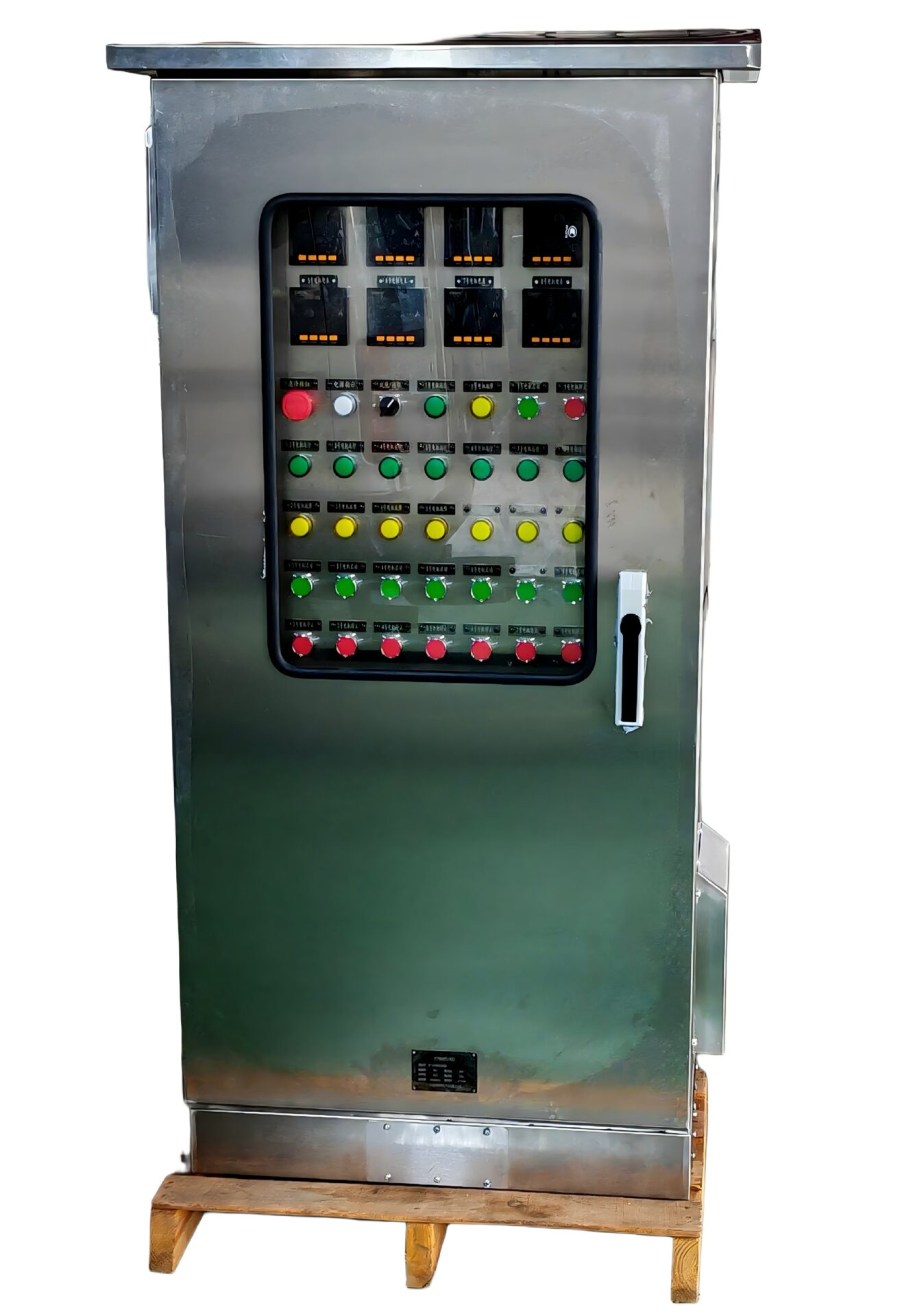
A VFD Control Panel is an enclosed electrical cabinet that houses a Variable Frequency Drive (VFD) and related electrical components to safely control the speed, torque, and power of an AC motor. By changing the frequency and voltage supplied to the motor, the VFD adjusts motor operating speed according to the requirements of the application. A VFD cabinet or VFD control box can also integrate protection, switching, monitoring, control, and communication components into one organized system.
For industrial buyers, the enclosure itself is only one part of the solution. The practical value of a VFD Control Panel depends on how effectively the VFD, protection devices, control components, cooling arrangements, wiring, and other electrical parts work together.
The right configuration can make motor control more flexible while helping users manage installation, operation, maintenance, and long-term equipment costs.
Before selecting a supplier, it is therefore useful to understand what is actually inside the panel and how each part contributes to reliable operation.
What Are the Main Components of a VFD Control Panel?
A VFD Control Panel is not simply a metal box containing a frequency converter. It is a coordinated electrical system in which different components perform different functions. The exact configuration varies according to motor capacity, input power, operating environment, control requirements, protection requirements, and project specifications.
The central component is the Variable Frequency Drive. The VFD receives incoming electrical power and converts it into an output with adjustable frequency and voltage. This allows the motor’s operating speed and torque to be controlled according to the process requirements.
The panel normally also includes input protection and switching components. Circuit breakers, disconnectors, fuses, or other protective devices can be selected according to the electrical design. Their purpose is to provide isolation and protection for the equipment and connected circuits.
Control components are another important part of the system. Depending on the application, these may include contactors, relays, control terminals, switches, indicators, meters, sensors, and communication interfaces. These components allow operators or an external control system to start, stop, monitor, or adjust the motor.
The panel also requires appropriate wiring and connection arrangements. Proper organization of power and control wiring helps make commissioning and troubleshooting more efficient. Clear labeling and an appropriate terminal arrangement can be particularly valuable when maintenance personnel need to identify individual circuits.
Cooling and ventilation should not be overlooked. A VFD produces heat during operation, so the enclosure needs a suitable thermal-management design. Depending on the installation environment and power level, natural ventilation, forced ventilation, filters, or other cooling arrangements may be considered.
Finally, the enclosure and internal layout provide mechanical and environmental protection. The cabinet should be selected according to installation conditions, including temperature, humidity, dust, and other environmental factors.
For buyers, this means that comparing VFD Control Panels only by the VFD model or purchase price can be misleading. The complete configuration, component quality, protection design, cooling method, wiring, and service support all influence the total value of the system.
A capable VFD Control Panel manufacturer should therefore be able to discuss the complete electrical configuration rather than focusing only on the frequency converter itself.
What Is the Main Purpose of a VFD?
The primary purpose of a VFD is to control the operating speed and torque of an AC motor by regulating the frequency and voltage of the electrical power supplied to it.
Traditional motor-control arrangements may operate a motor at essentially fixed speed once connected to the power supply. However, many industrial processes do not require the motor to operate at one constant speed all the time. Pumps may need different flow rates, fans may require variable airflow, and production machinery may need different operating speeds during different stages of a process.
A VFD provides a way to match motor operation more closely with the actual process requirement.
This flexibility can provide several practical benefits. First, process control can become more precise because motor speed can be adjusted instead of relying only on mechanical methods. Second, starting can be managed more smoothly compared with direct starting arrangements, depending on the application and VFD configuration. Third, operating the motor closer to the required process point may help improve energy efficiency in suitable applications.
For buyers, however, the purpose of a VFD should not be reduced to energy saving alone. A VFD system also needs to provide reliable control, protection, monitoring, and compatibility with the wider electrical system.
This is particularly important because the VFD introduces power-electronic switching into the electrical system. Poorly selected or configured equipment can contribute to harmonic interference and electromagnetic compatibility problems. The installation environment also matters. Excessive temperature, humidity, dust, condensation, or inadequate ventilation can negatively affect electrical components and shorten their useful service life.
Consequently, a VFD Control Panel should be considered as part of the entire motor-control system.
A well-designed panel can organize the VFD and its supporting components into a controlled environment, while making the system easier to install, operate, inspect, and maintain. Appropriate protection and component selection can also reduce the risk associated with abnormal operating conditions.
For procurement teams, the key question is therefore not simply “How much does the VFD panel cost?” but rather “Does the complete configuration match the motor, electrical system, environment, and long-term operating requirements?”
This approach helps prevent the common mistake of selecting equipment based only on its initial purchase price.
Where Are VFDs Commonly Used?
VFDs are commonly used wherever an AC motor needs variable-speed control, adjustable torque, process flexibility, or improved control over motor operation. The specific application determines the required VFD capacity, panel configuration, protection strategy, and environmental design.
Industrial production is one of the major application areas. Motors used in manufacturing equipment, material-handling systems, processing machinery, and other production equipment may need different operating speeds according to production conditions. A VFD can provide adjustable motor control while allowing the equipment to respond more flexibly to changing requirements.
Pumping systems are another important application. Water supply, circulation, and process-pumping equipment may not always require the same flow rate. Variable-speed operation can allow the motor to respond to changing system demand rather than continuously operating at one fixed speed.
Fan and ventilation systems can also use VFDs. Applications such as building ventilation, industrial air handling, and process ventilation may require airflow adjustments. Controlling motor speed provides a direct method of adjusting fan operation.
VFDs can also be applied to conveyors and material-handling equipment, where controlled acceleration, deceleration, and operating speed may be important. Different production stages can require different conveyor speeds, making adjustable motor control valuable.
Other applications may include compressors, machine tools, production lines, and various automated industrial systems. The suitability of a VFD depends on the motor type, load characteristics, required speed range, starting requirements, duty cycle, and control method.
The installation environment is equally important. A panel installed in a clean, temperature-controlled electrical room has different requirements from one exposed to dust, high humidity, salt spray, heat, or outdoor conditions.
This is why environmental adaptation should be considered during procurement. Electrical cabinets require appropriate protection and ventilation, while sensitive components need to operate within their specified environmental conditions.
The broader product information of Ningbo Henghui Electric also emphasizes the importance of reliable, precise, safe, and efficient power-distribution equipment, together with technical support and solution capabilities rather than treating equipment supply as an isolated transaction.
For large industrial or infrastructure projects, this system-oriented approach can be particularly useful. The company’s existing product portfolio covers different voltage levels and includes power-distribution equipment, monitoring devices, compensation systems, and related electrical products, providing experience across broader electrical-system applications.
When purchasing a VFD Control Panel, buyers should therefore evaluate the application first and the cabinet second. The correct panel is the one designed around the actual motor and operating conditions, rather than a generic cabinet selected only from a catalog.
How Does a VFD Control Motor Speed?
A VFD controls motor speed primarily by changing the frequency of the electrical power supplied to an AC motor.
An AC motor operates according to the characteristics of the electrical supply and the motor’s design. When the frequency changes, the motor’s operating speed changes accordingly. The VFD therefore provides a practical electronic method for adjusting motor speed without relying solely on mechanical transmission methods.
Inside the VFD, incoming AC power is first processed through the drive’s power-conversion stages. The electrical energy is then converted into a controlled output whose frequency and voltage can be adjusted. The VFD continuously manages this output according to the selected control strategy and operating requirements.
For example, when a process requires a lower motor speed, the VFD can reduce the output frequency. When a higher speed is required within the motor and drive’s permitted operating range, the VFD can increase the output frequency.
Voltage also matters. The VFD does not simply change frequency independently of voltage. It manages voltage and frequency together according to the motor-control method and application requirements. This relationship helps the motor develop the required operating characteristics across its working range.
Modern VFD applications can use different control methods depending on the required performance. Simple applications may require straightforward speed adjustment, while more demanding systems can require more accurate control of speed and torque.
The control signal itself can come from different sources. Depending on the system architecture, the VFD may receive commands from local switches, control terminals, sensors, programmable controllers, communication systems, or other automation equipment.
This is where the VFD Control Panel becomes important. The panel provides the physical and electrical platform in which the VFD and associated control components are installed. It can organize power input, protection, control signals, monitoring functions, and connections to the wider electrical system.
However, changing frequency is not the only consideration. Harmonics, heat generation, electromagnetic interference, motor compatibility, cable arrangement, grounding, and protection can all influence system performance. These factors become especially important in larger installations or environments containing multiple electronic devices.
For this reason, VFD selection should be based on more than motor horsepower or rated current. Buyers should consider the motor’s operating characteristics, load profile, required speed range, starting and stopping requirements, installation environment, expected duty cycle, and integration with the existing electrical system.
The panel’s configuration should then be developed around those requirements.
A professional VFD Control Cabinet can help place these elements into a structured electrical system, but the quality of the result depends heavily on engineering and configuration. Incorrect component selection, insufficient cooling, unsuitable protection, or inappropriate operating parameters can reduce reliability even when the individual VFD itself is technically capable.
This is also why commissioning and maintenance require appropriate technical knowledge. VFD systems contain power-electronic components and control parameters that may require professional handling. Clear documentation, standardized wiring, appropriate labeling, and technical support can make troubleshooting significantly more efficient.
For international buyers, supplier capability should therefore be evaluated across the entire procurement cycle: technical communication, electrical design, component selection, manufacturing, testing, commissioning support, and after-sales service.
A factory or electrical-equipment supplier with broader experience in power automation and distribution equipment may also be better positioned to understand how a VFD panel fits into the wider electrical system. Ningbo Henghui Electric describes its business as covering the R&D, production, sales, and service of power-automation hardware and software, with a focus on intelligent, precise, safe, efficient, and environmentally oriented electrical solutions.
This broader capability matters because a VFD Control Box should not be treated as an isolated enclosure. It needs to work reliably with the motor, incoming power supply, control system, protection equipment, and operating environment.
From a purchasing perspective, the best solution is therefore not necessarily the cheapest cabinet. It is the configuration that achieves an appropriate balance between initial investment, component quality, operational reliability, maintenance requirements, environmental adaptability, and long-term system value.
How Should Buyers Evaluate a VFD Control Panel Manufacturer?
Selecting the right VFD Control Panel manufacturer requires looking beyond product appearance and quotation price. A serious evaluation should begin with the supplier’s technical capability.
The first consideration is configuration accuracy. The supplier should understand the motor rating, load characteristics, incoming power conditions, control method, installation environment, and required protection functions before recommending a panel.
The second is manufacturing quality. The internal wiring, component installation, cabinet structure, labeling, ventilation, and overall assembly should follow a consistent production process. Standardized manufacturing helps reduce variation between units and makes later maintenance easier.
The third is testing and quality control. Buyers should confirm what factory inspections and electrical tests are performed before shipment and whether the supplier can provide the relevant technical documentation.
The fourth is technical communication. International buyers often work with suppliers remotely, so clear electrical drawings, component lists, specifications, installation instructions, and commissioning information can reduce misunderstandings.
The fifth is after-sales support. VFD systems can require technical assistance during installation, commissioning, parameter adjustment, or troubleshooting. A supplier capable of supporting customers throughout the equipment lifecycle can reduce the risk of prolonged downtime.
Ningbo Henghui Electric’s company information emphasizes professional technical teams, standardized management, R&D capability, solution development, and service covering product supply and related technical support. These capabilities are relevant when evaluating an electrical-equipment supplier, particularly for projects where the buyer needs more than a standard cabinet.
The same principle can be seen in the company’s other electrical products. Its GGD low-voltage distribution cabinet, for example, uses a modular cabinet structure, multiple cabinet configurations, defined protection levels, grounding protection, and standardized ordering information. Its KYN28-24 medium-voltage switchgear similarly emphasizes standardized interfaces, safety interlocking, testing, installation support, and lifecycle service.
These examples do not establish specific VFD performance specifications, but they demonstrate the company’s broader approach to electrical equipment design, manufacturing, standardization, and technical service.
For a buyer sourcing a VFD Control Panel, that distinction is important. A panel is ultimately part of an electrical system, and the supplier’s ability to understand system requirements can be as important as the individual components installed inside the cabinet.
What Should Be Considered Before Ordering a VFD Control Box?
Before placing an order, buyers should prepare the technical information needed for accurate configuration. At minimum, the supplier should understand the motor rating, voltage, frequency, current, load type, operating speed requirements, control method, installation location, environmental conditions, and required protection functions.
The application should also be clearly described. A pump, fan, conveyor, compressor, and production machine can have very different operating characteristics even when their motor ratings are similar.
Environmental information is equally important. Temperature, humidity, dust, condensation, salt spray, altitude, and installation space can influence cabinet design and component selection.
Buyers should also clarify whether the panel needs local control, remote control, monitoring, communication, alarm functions, or integration with an existing automation system.
Finally, procurement teams should compare the complete technical proposal rather than comparing price alone. The lowest quotation may not represent the lowest total cost if it results in more difficult commissioning, frequent maintenance, unsuitable components, or reduced service life.
A detailed specification and clear communication with the supplier can help prevent configuration errors before production begins.
Conclusion
A VFD Control Panel provides an organized solution for controlling AC motor speed and torque while integrating protection, control, and supporting electrical components. For buyers, the most important factors are not price alone, but correct configuration, component quality, environmental suitability, technical support, and long-term reliability.
 Русский
  English (UK)
  Bahasa Indonesia
  Tiếng Việt
  Deutsch
  Español
  Français
  Português