
How Can a JP Cabinet Improve Outdoor Power Distribution Reliability?
Outdoor power distribution equipment often faces extreme temperature changes, high humidity, condensation, poor ventilation, and harsh weather conditions. These factors can cause moisture buildup inside a JP cabinet, leading to component corrosion, insulation degradation, overheating, nuisance tripping, and even electrical fires. Such failures not only interrupt power supply but also shorten equipment lifespan and increase maintenance costs. Fortunately, a modern JP Integrated Distribution Box is specifically designed to overcome these challenges through integrated protection, intelligent power distribution, and durable outdoor construction. Continue reading to discover how a JP distribution box can enhance safety, efficiency, and long-term reliability.
What is a JP cabinet?
A JP cabinet, also known as a JP Integrated Distribution Box, is an outdoor low-voltage power distribution system that integrates power allocation, metering, protection, control, and reactive power compensation into a single enclosure. Widely used in urban and rural power networks, industrial facilities, commercial projects, and infrastructure developments, a JP cabinet helps improve power quality, reduce line losses, enhance operational safety, and simplify electrical management. Modern JP low voltage cabinets are designed for outdoor installation and provide reliable performance under various environmental conditions while supporting efficient and intelligent power distribution.
Before selecting a power distribution solution, it is important to understand why JP cabinets have become a preferred choice for modern electrical systems.
Why Do I Need a JP Cabinet?
A JP cabinet plays a critical role in ensuring the safe and efficient distribution of electrical energy. As power networks continue to expand and electrical loads become increasingly complex, traditional distribution systems often struggle to provide the necessary flexibility, protection, and monitoring capabilities required by modern applications.
One of the primary reasons for using a JP Integrated Distribution Box is its ability to centralize multiple electrical functions within a single unit. Instead of installing separate metering devices, protection equipment, switching components, and compensation systems, users can integrate all these functions into one compact cabinet. This significantly reduces installation complexity and minimizes the required footprint.
In outdoor distribution environments, reliability is especially important. A properly designed JP low voltage cabinet protects sensitive electrical components from rain, dust, humidity, and temperature fluctuations. This protection helps maintain stable operation while reducing maintenance requirements and unexpected downtime.
JP cabinets are also widely used in rural power grids and utility distribution networks because they improve power management efficiency. By incorporating reactive power compensation and accurate metering functions, utilities can reduce energy losses and improve overall network performance.
Furthermore, industrial facilities and commercial projects often require a distribution system capable of supporting future expansion. A JP distribution box offers excellent scalability, allowing additional circuits, monitoring devices, and intelligent control systems to be integrated as operational requirements evolve.
For organizations seeking a dependable, cost-effective, and efficient power distribution solution, a made in China JP cabinet provides an excellent balance of performance, durability, and value.
What Is the Main Working Principle of a JP Cabinet?
The working principle of a JP cabinet revolves around the efficient reception, distribution, protection, measurement, and management of electrical energy. Although the cabinet contains multiple electrical devices and subsystems, they work together as a coordinated distribution platform.
The process begins when low-voltage power enters the cabinet through the incoming feeder. The incoming circuit breaker serves as the primary control and protection device, allowing operators to safely isolate the system when maintenance or troubleshooting is required.
Once power enters the JP Integrated Distribution Box, it is distributed through busbars that transfer electrical energy to multiple outgoing circuits. These circuits supply power to residential communities, industrial machinery, commercial buildings, street lighting systems, agricultural facilities, and various infrastructure projects.
Protection functions are implemented through circuit breakers, fuses, and monitoring devices. These components continuously monitor electrical parameters such as current, voltage, and fault conditions. When abnormalities occur, the protection system automatically disconnects affected circuits to prevent equipment damage and improve personnel safety.
Many modern JP cabinets also include reactive power compensation systems. Capacitor banks automatically adjust power factor levels by compensating for reactive power demand within the network. This improves energy efficiency, reduces line losses, and enhances overall power quality.
Metering devices installed within the cabinet collect real-time electrical data. Operators can monitor energy consumption, load conditions, voltage stability, and system performance. Advanced models may include intelligent communication modules that support remote monitoring and smart grid integration.
By combining distribution, protection, compensation, and monitoring functions into a single enclosure, a JP low voltage cabinet provides comprehensive electrical management while maintaining operational reliability and safety.
What Are the Benefits of Using a JP Cabinet?
The popularity of the JP cabinet continues to grow because it delivers numerous operational, economic, and technical advantages across a wide range of applications.
Enhanced Distribution Efficiency
A JP distribution box consolidates several electrical functions into one integrated system. This streamlined design reduces wiring complexity, simplifies installation procedures, and improves overall distribution efficiency. Operators can manage multiple functions from a centralized location, making maintenance and operation more convenient.
Improved Power Quality
Many JP cabinets incorporate reactive power compensation equipment that automatically corrects power factor issues. Improved power factor reduces transmission losses, increases system efficiency, and helps maintain voltage stability across the network.
Reliable Outdoor Performance
Outdoor electrical installations are exposed to demanding environmental conditions. A well-designed JP Integrated Distribution Box features weather-resistant enclosures that provide protection against moisture, dust, UV exposure, and temperature fluctuations. This robust construction helps ensure long-term reliability and reduces maintenance requirements.
Increased Safety
Safety remains one of the most important advantages of a JP cabinet. Integrated circuit breakers, overload protection devices, grounding systems, and fault monitoring mechanisms work together to minimize electrical hazards. These features help protect both personnel and connected equipment.
Reduced Operational Costs
The integration of multiple functions within a single cabinet reduces equipment procurement costs, installation expenses, and maintenance requirements. Improved energy efficiency resulting from power factor correction can also lower electricity costs over the long term.
Flexible Application Range
JP cabinets are suitable for a variety of environments, including:
- Utility distribution networks
- Industrial manufacturing facilities
- Commercial buildings
- Residential developments
- Agricultural projects
- Renewable energy systems
- Municipal infrastructure
This versatility allows organizations to standardize their distribution solutions across multiple projects.
Intelligent Monitoring Capabilities
Modern JP low voltage cabinets often support digital monitoring and communication technologies. Real-time performance monitoring enables faster fault diagnosis, predictive maintenance, and more effective asset management.
Long Service Life
High-quality materials, corrosion-resistant coatings, and durable electrical components contribute to extended service life. Many made in China JP cabinets are engineered to operate reliably for many years under demanding outdoor conditions.
These combined advantages make the JP cabinet one of the most practical and efficient low-voltage distribution solutions available today.
What Are the Service Conditions for JP Cabinet?
To ensure optimal performance, safety, and service life, a JP cabinet should be installed and operated within its specified environmental conditions. Understanding these requirements helps users maximize equipment reliability and minimize operational risks.
Ambient Temperature
The recommended ambient temperature range for a JP cabinet is:
-25°C to +40°C
This operating range enables the cabinet to function effectively in both cold winter climates and hot summer environments. Electrical components are selected to maintain reliable performance throughout these temperature variations.
Air Relative Humidity
The acceptable humidity conditions are:
- Daily average relative humidity: not more than 90%
- Monthly average relative humidity: not more than 90%
While the cabinet is designed to withstand humid environments, proper ventilation and anti-condensation measures are recommended in regions with frequent temperature fluctuations to prevent moisture accumulation inside the enclosure.
Installation Altitude
The recommended installation altitude is:
Not more than 1000 meters above sea level
At higher elevations, air density decreases, which can affect cooling performance and insulation characteristics. Special design modifications may be required for installations above the standard altitude limit.
Mechanical Environment
The installation site should be free from:
- Severe mechanical vibration
- Strong impacts
- Continuous shock loads
Excessive vibration can loosen electrical connections, accelerate component wear, and reduce overall system reliability.
Corrosive Environment Restrictions
A JP Integrated Distribution Box should not be installed in areas containing:
- Corrosive gases
- Chemically aggressive atmospheres
- Excessive salt contamination without proper protection
For coastal, industrial, or highly polluted environments, additional anti-corrosion treatments and enhanced enclosure protection may be recommended.
Ventilation Requirements
Adequate airflow should be maintained around the cabinet to facilitate heat dissipation. Proper ventilation helps prevent overheating and ensures stable operation of electrical components during periods of high load demand.
Foundation and Mounting Conditions
The cabinet should be mounted on a stable, level foundation capable of supporting its weight. Proper grounding must be provided according to local electrical standards to ensure personnel safety and reliable operation.
By adhering to these service conditions, users can maximize the reliability, safety, and longevity of their JP distribution box while ensuring consistent performance under outdoor operating conditions.
Conclusion
A JP cabinet is an integrated outdoor power distribution solution that combines distribution, protection, metering, and compensation functions in one system. With excellent reliability, operational efficiency, and environmental adaptability, a JP Integrated Distribution Box remains an ideal choice for modern low-voltage distribution networks, especially when selecting a high-quality made in China solution.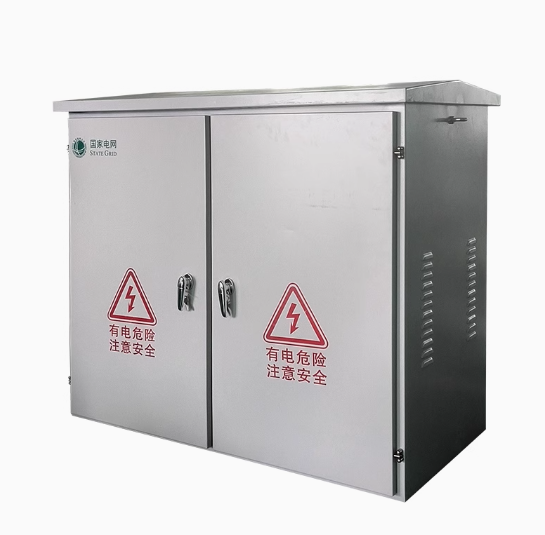
 Русский
  English (UK)
  Bahasa Indonesia
  Tiếng Việt
  Deutsch
  Español
  Français
  Português