
How Can Buyers Choose the Right EV Charging Station for Reliable, Fast, and Cost-Effective Charging?
An unreliable EV Charging Station can quickly become an expensive operational problem. Frequent equipment failures, high maintenance costs, poor power utilization, difficult platform integration, slow charging, and inaccurate billing can frustrate users and reduce station profitability. These issues may also create safety concerns and lead to downtime during peak periods. For operators, distributors, and project buyers, choosing the right EV Charger is therefore more than comparing prices. The right equipment should combine stable operation, efficient power conversion, convenient management, and a good user experience. Understanding how EV charging works, its benefits, payment methods, and installation requirements can make purchasing decisions more reliable.
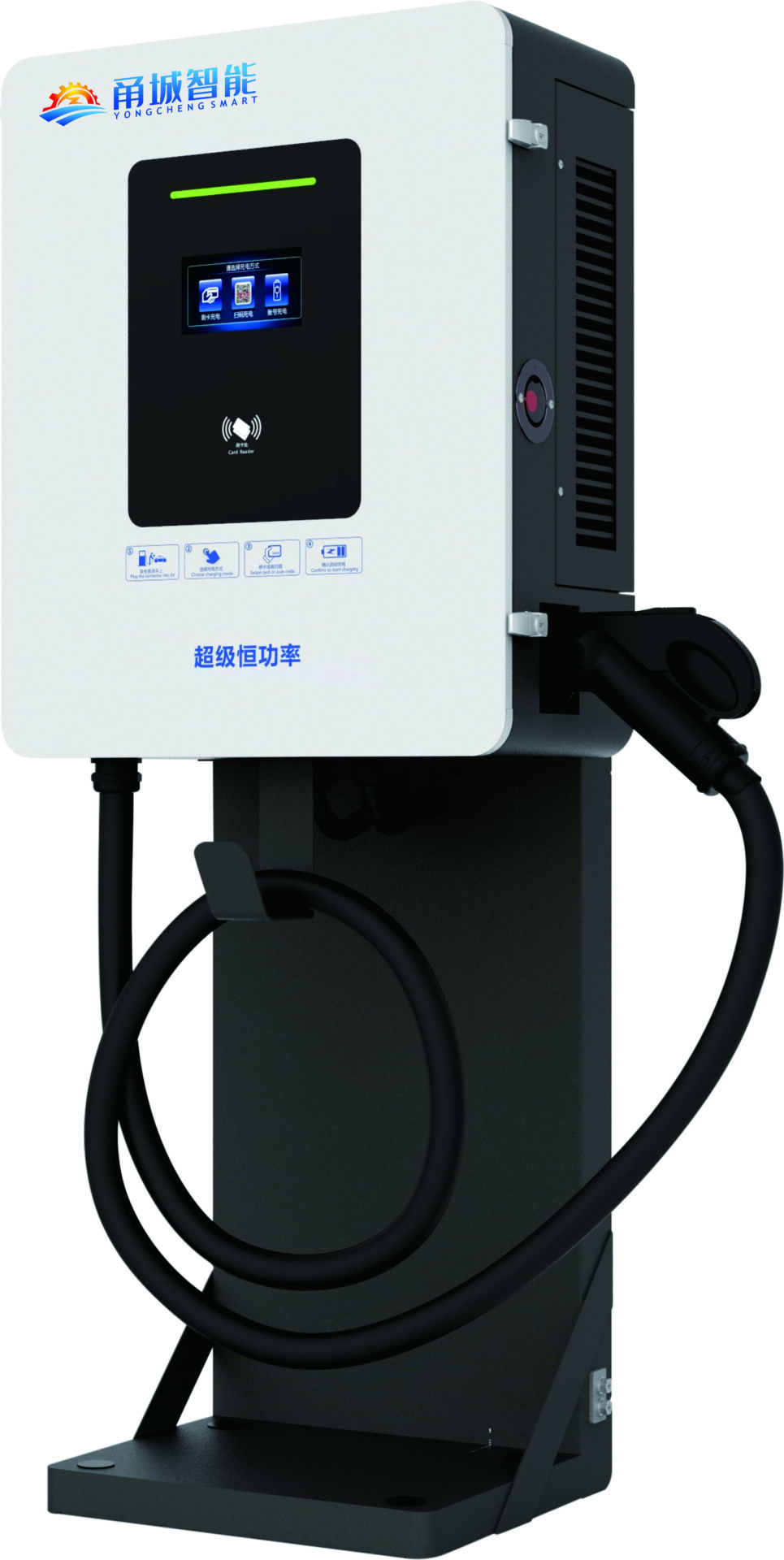
An EV Charging Station is equipment that supplies electrical power to recharge plug-in electric vehicles. It connects an electric vehicle to a power source and manages the transfer of electricity through charging equipment. Depending on the application, an EV Charger may use AC or DC power. An AC Charging Station supplies alternating current to the vehicle’s onboard charger, while a DC EV Charger delivers direct current to the battery through dedicated charging equipment, generally enabling faster charging.
Before selecting equipment, buyers should understand how charging technology affects performance, operating costs, and long-term station management.
How Does an EV Charging Station Work?
An EV Charging Station works by transferring electrical energy from the power grid to an electric vehicle’s battery through a controlled charging connection. Although the basic concept is straightforward, the charging process involves several components working together to ensure that electricity is delivered safely and efficiently.
In a typical system, electricity first enters the charging station from the electrical supply. The station communicates with the vehicle after the charging connector is connected. This communication allows the equipment and vehicle to establish whether charging can begin and how much power can be safely delivered.
There are two major charging approaches: AC charging and DC charging.
An AC Charging Station receives alternating current from the electrical grid and supplies it to the vehicle. The vehicle’s onboard charger then converts AC electricity into DC electricity that can be stored in the battery. AC charging is commonly associated with residential, workplace, commercial, and destination charging because charging power can be suitable for vehicles that remain parked for longer periods.
A DC EV Charger works differently. The charging station converts AC power from the grid into DC power before supplying it directly to the vehicle’s battery system. Because the conversion equipment is located in the charging station rather than relying primarily on the vehicle’s onboard charger, DC charging can provide significantly faster charging where the vehicle and electrical infrastructure support higher power levels.
During charging, the system continuously manages important operating conditions. The charger communicates with the vehicle and adjusts charging according to the vehicle’s requirements and the capabilities of the charging equipment. Protection functions can help respond to abnormal electrical conditions and prevent unsafe operation.
For commercial buyers, this means the performance of an EV Charger depends on more than its advertised power rating. Power capacity, electrical infrastructure, charging compatibility, protection functions, communication capability, and operational management all influence the actual charging experience.
Power utilization is also important. A well-designed charging system should match charging capacity with the expected demand of the site. Installing equipment with inappropriate capacity may increase investment without delivering corresponding value, while insufficient charging capacity can create queues, slow service, and poor customer satisfaction.
For this reason, buyers should evaluate the complete charging system rather than selecting equipment based only on maximum output power.
What Are the Benefits of Using an EV Charging Station?
The main advantage of an EV Charging Station is its ability to provide a practical and controlled way to recharge electric vehicles. For commercial operators, property owners, fleet managers, and distributors, however, the benefits extend beyond simply supplying electricity.
Faster and more convenient charging
Charging speed is one of the most important considerations for EV users. A suitable DC EV Charger can support much faster charging than many conventional AC charging solutions when the vehicle, charger, and electrical infrastructure are designed for higher-power operation.
This can be particularly valuable for commercial charging sites, fleet operations, highway services, and other locations where vehicles cannot remain parked for long periods. Faster charging can improve site turnover and provide a more convenient experience for users.
Better operational efficiency
A properly selected charging system can help operators make better use of available electrical capacity. Instead of treating charging equipment as a simple electrical outlet, modern charging infrastructure can be planned according to expected traffic, vehicle dwell time, power requirements, and site limitations.
This approach can help buyers avoid both excessive equipment investment and insufficient charging capacity.
Improved user experience
Reliable charging is essential for customer satisfaction. Users generally expect an EV Charger to start charging smoothly, operate consistently, and provide clear information about charging status and payment.
Equipment with stable operation and appropriate management functions can reduce interruptions and make the charging process easier to understand. Reliability is therefore a commercial advantage, not merely a technical specification.
Easier commercial operation
For public and commercial charging projects, charging stations may need to support operational management, usage records, pricing, and payment processes. The ability to connect charging equipment with an appropriate management system can make it easier for operators to monitor charging activity and manage multiple stations.
This is especially relevant when a buyer plans to deploy charging equipment across several locations. A scalable system can simplify centralized management and reduce the difficulty of handling individual charging points separately.
Flexible application
Different locations require different charging strategies. An AC Charging Station may be suitable where vehicles remain parked for several hours, such as workplaces, residential properties, hotels, or commercial parking facilities. A DC EV Charger may be more appropriate where faster turnaround is important.
This flexibility allows buyers to select charging equipment according to the actual operating environment rather than using one solution for every project.
Long-term business value
For charging operators, the value of an EV Charging Station should be evaluated over its entire operating life. Initial purchase price is important, but it should be considered together with maintenance requirements, reliability, energy efficiency, charging utilization, downtime, and management efficiency.
A lower-cost charger that frequently requires maintenance may ultimately cost more to operate than a more reliable solution with better overall performance. Buyers should therefore compare total ownership considerations rather than focusing only on the initial equipment quotation.
How Do You Pay at EV Charging Stations?
Payment at an EV Charging Station depends on the charging site’s operating model and the payment system integrated with the equipment. For users, the process normally involves identifying the charging station, starting a charging session, and completing payment according to the operator’s pricing rules.
At a commercial charging site, the charging process may be connected to a digital management platform. The platform can associate a charging session with a user account or another payment method, allowing the operator to record electricity consumption and calculate the applicable charging fee.
For buyers, payment management is an important part of EV Charger selection because a charging station is not only a power-delivery device. In commercial applications, it can also become part of a larger service and revenue-management system.
A typical charging process may follow several stages.
First, the user selects an available charging point and connects the vehicle using the appropriate connector. The system identifies the charging equipment and establishes communication with the vehicle.
Next, the user completes the required authorization or payment procedure. Depending on the station’s configuration, this can be linked to a charging account, digital payment system, or other payment arrangement supported by the operator.
Once authorization is confirmed, charging begins. The system records the charging session and relevant operating information. When charging is completed or the user stops the session, the system can calculate the final amount according to the operator’s pricing model.
For commercial buyers, transparent billing is particularly important. Users should be able to understand what they are being charged for, while operators need reliable records for accounting and operational management.
Integration also matters. If a charging station needs to communicate with an existing management platform, buyers should confirm compatibility before placing an order. Difficult or incomplete platform integration can create additional development work, operational delays, and unnecessary maintenance costs.
This is one reason procurement decisions should consider the complete ecosystem around the EV Charging Station. Hardware reliability alone does not guarantee an efficient commercial operation. Charging equipment, communication functions, management software, payment processes, and customer service should work together as one system.
For distributors and project buyers, it is also useful to consider whether the charging solution can support different business scenarios. A station installed for private use may require a simpler payment arrangement, while a public charging network may need centralized management and detailed transaction records.
Therefore, before purchasing an EV Charger, buyers should clarify the intended payment model, platform requirements, pricing method, user authentication process, and data-management needs. These requirements should be defined before installation rather than added after the equipment is already deployed.
How Should You Install an EV Charging Station for Reliable Operation?
Installing an EV Charging Station requires more than mounting the equipment and connecting a charging cable. The electrical supply, installation environment, protection system, communication requirements, and expected charging demand should all be considered before commissioning.
The first step is site assessment. Buyers or project contractors should determine where the charging station will be installed and evaluate the available electrical capacity. The selected location should provide suitable access for vehicles while leaving enough space for safe operation, inspection, and maintenance.
Electrical capacity is especially important for high-power charging. A DC EV Charger can require substantially greater electrical capacity than a lower-power AC solution. The site’s existing power supply therefore needs to be evaluated before equipment selection. If the available capacity does not match the planned charging load, additional electrical infrastructure may be necessary.
The second step is choosing the appropriate charging type. An AC Charging Station may be suitable for locations where vehicles remain parked for extended periods. A DC solution may be preferable when rapid charging and higher vehicle turnover are priorities.
The third step is preparing the electrical and physical infrastructure. Installation should include appropriate power distribution, protective devices, grounding, cable routing, and equipment foundations or mounting arrangements according to the equipment design and applicable local electrical requirements.
Professional electrical installation is essential. Charging equipment handles significant electrical power, so installation, inspection, testing, and commissioning should be performed by appropriately qualified personnel and according to applicable regulations and manufacturer requirements.
Environmental conditions should also be considered. Outdoor charging equipment may be exposed to rain, dust, temperature changes, sunlight, and other environmental factors. The selected equipment should therefore have an appropriate enclosure and protection level for the intended installation environment.
The communication system should be planned at the same time. If the EV Charger needs to connect to an operating platform, network connection and communication requirements should be confirmed before installation. This helps avoid a situation where the physical charging equipment is ready but remote management or payment functions cannot operate correctly.
After installation, the system should be inspected and tested before being placed into normal service. Testing should verify electrical connections, protection functions, communication, charging operation, and other required functions.
Maintenance planning should also begin before commissioning. Operators should establish procedures for routine inspection, fault response, software or communication management where applicable, and customer support. Preventive maintenance can reduce unexpected downtime and protect the long-term value of the charging infrastructure.
For buyers planning multiple charging sites, standardization can provide additional advantages. Using compatible equipment and consistent installation practices can simplify spare-parts management, technical training, maintenance procedures, and future expansion.
Ultimately, successful EV Charging Station installation depends on matching the equipment to the site. The best charging solution is not necessarily the one with the highest power or the lowest purchase price; it is the one that fits the site’s electrical capacity, charging demand, operating model, environment, and long-term management requirements.
Conclusion
Choosing an EV Charging Station requires attention to charging speed, reliability, power utilization, payment, platform integration, installation, and maintenance. By evaluating the complete system rather than only the equipment price, buyers can build charging infrastructure that delivers a better user experience, lower operational risk, and stronger long-term value.
 Português
  English (UK)
  Bahasa Indonesia
  Tiếng Việt
  Deutsch
  Español
  Français
  Русский