
How Can an Electrical Control Cabinet Improve Reliability and Reduce Maintenance Costs in Harsh Industrial Environments?
Moisture, corrosion, dust, and extreme temperatures can quickly shorten the lifespan of ordinary carbon steel control cabinets, leading to unexpected downtime, expensive repairs, and safety risks. At the same time, many businesses invest in PLC-based control systems that significantly increase procurement and maintenance costs, even when such complexity is unnecessary. Choosing the right Electrical Control Cabinet solves these challenges by combining durable stainless steel construction, reliable electrical protection, and application-specific control solutions. Continue reading to discover how selecting the right cabinet can improve operational efficiency while lowering long-term ownership costs.
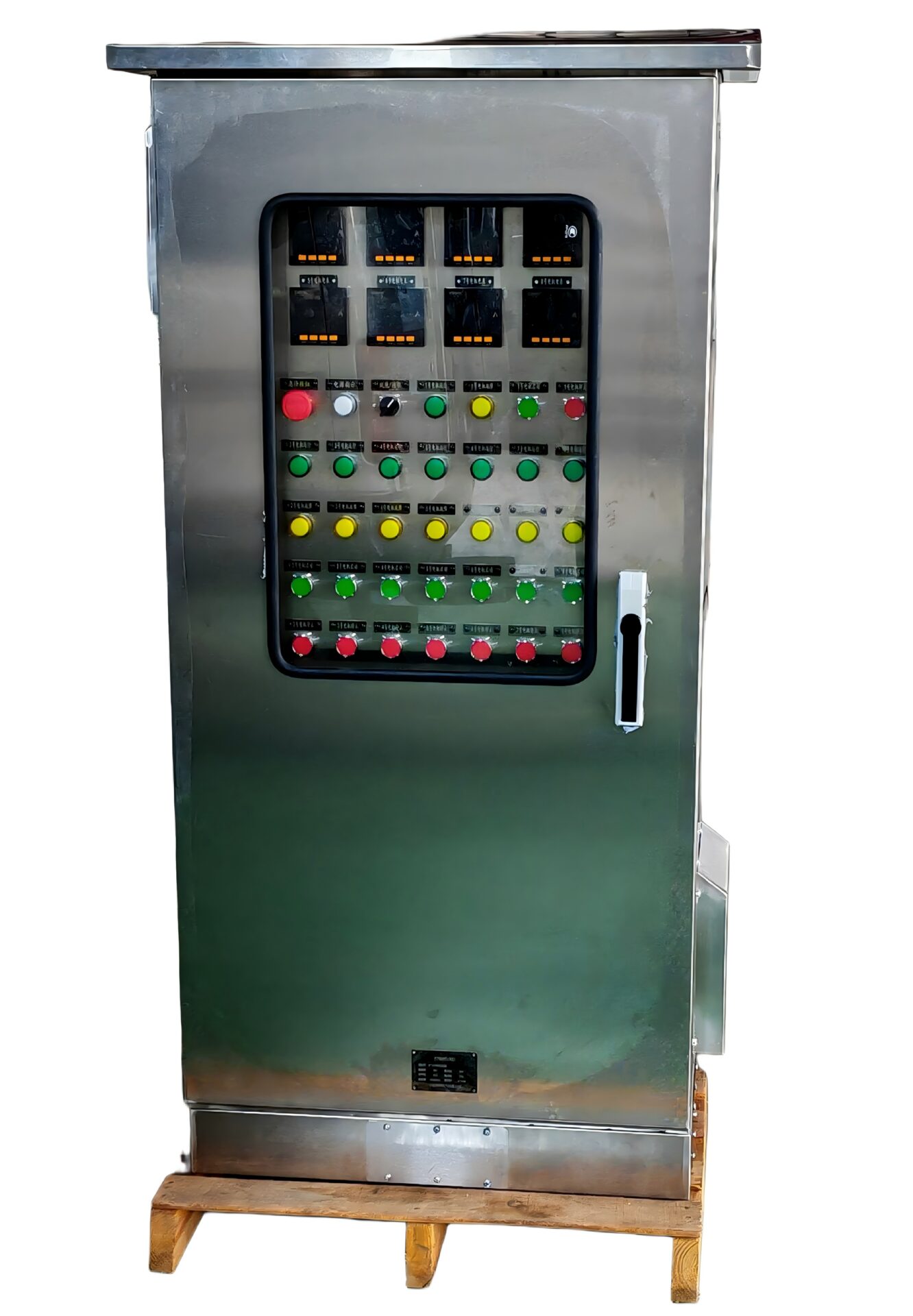
An Electrical Control Cabinet is a protective enclosure designed to house, organize, and safeguard electrical and automation components such as circuit breakers, relays, contactors, meters, switches, terminal blocks, variable frequency drives (VFDs), and programmable logic controllers (PLCs). Acting as the central control hub of an electrical system, it distributes power, protects circuits, monitors equipment status, and controls industrial processes while shielding sensitive components from moisture, dust, corrosion, vibration, and other environmental hazards. Electrical control cabinets are widely used across manufacturing, power distribution, water treatment, renewable energy, infrastructure, and commercial facilities to ensure safe, reliable, and efficient operation.
Let’s explore the essential features, components, applications, and cabinet types that help businesses select the ideal solution.
Table of Contents
ToggleWhat Makes an Electrical Control Cabinet Essential for Modern Industrial Control?
An Electrical Control Cabinet serves as the operational center of an industrial electrical system. Rather than simply housing electrical devices, it integrates protection, monitoring, control, and distribution into a single organized enclosure.
One of its most valuable capabilities is equipment protection. Industrial environments often expose electrical equipment to moisture, dust, chemicals, vibration, and corrosive atmospheres. Cabinets manufactured from 304 or 316 stainless steel provide exceptional resistance to corrosion, making them ideal for outdoor installations, wastewater facilities, coastal regions, and food processing plants. Compared with painted carbon steel cabinets, stainless steel significantly reduces maintenance requirements and extends service life.
Another major advantage is safe power distribution. Electrical control cabinets incorporate circuit breakers, fuses, busbars, contactors, overload relays, and protective devices that safely distribute electrical power while minimizing the risk of overloads, short circuits, and electrical faults.
Modern cabinets also simplify system management through organized wiring layouts. Clearly labeled terminals, cable ducts, DIN rails, and modular installation improve troubleshooting efficiency while reducing installation time.
Depending on customer requirements, cabinets may incorporate either traditional relay logic or advanced PLC automation. For applications that require simple motor control or pump switching, relay-based systems offer excellent reliability with lower purchase and maintenance costs. More sophisticated production lines can utilize PLCs for programmable automation, remote monitoring, and intelligent process control.
As an experienced Electrical Control Cabinet supplier, professional manufacturers also provide customized enclosure sizes, electrical layouts, control philosophies, protection ratings, and communication interfaces according to project specifications.
Ultimately, a properly engineered electrical control cabinet improves equipment reliability, reduces downtime, enhances operator safety, simplifies maintenance, and provides scalable solutions for future expansion.
What Components and Technologies Are Found Inside an Electrical Control Cabinet?
Every Electrical Control Cabinet consists of carefully selected electrical components that work together to provide safe and reliable operation. Although each cabinet is customized for its intended application, several core technologies are common across most industrial systems.
The incoming power is typically protected by a main circuit breaker, which isolates the system during faults or maintenance. Additional miniature circuit breakers (MCBs) protect individual branch circuits from overload and short circuits.
Contactors e thermal overload relays control motors, pumps, compressors, and other electrical loads while preventing equipment damage during excessive current conditions.
Relays perform signal switching and logical operations, particularly in conventional control systems where PLCs are unnecessary. Many industrial users still prefer relay-based designs because they are cost-effective, reliable, and easier to repair in remote locations.
For automated systems, Programmable Logic Controllers (PLCs) provide intelligent process control. PLCs collect signals from sensors, execute programmed logic, and operate motors, valves, alarms, and other field devices. However, not every application requires PLC technology. Selecting the appropriate level of automation helps balance functionality and project budget.
Operator interfaces may include:
- Digital power meters
- Indicator lights
- Push buttons
- Emergency stop buttons
- Selector switches
- Touchscreen Human Machine Interfaces (HMIs)
Inside the cabinet, terminal blocks, cable management channels, grounding bars, and DIN rails maintain neat wiring while simplifying inspection and future modifications.
Many modern cabinets also integrate:
- Surge protection devices
- Power quality monitoring
- Variable Frequency Drives (VFDs)
- Soft starters
- Remote communication modules
- Ethernet or Modbus connectivity
- Temperature and humidity control systems
For outdoor installations, stainless steel enclosures often include sealed doors, waterproof cable glands, ventilation systems, heaters, or cooling fans to maintain stable operating conditions.
An experienced PLC Control Cabinet manufacturer carefully selects compatible components, optimizes internal layout, and performs comprehensive electrical testing before delivery, ensuring dependable performance throughout the cabinet’s operating life.
Where Are Electrical Control Cabinets Commonly Used Across Industries?
Electrical control cabinets support countless industries because virtually every electrical system requires centralized protection and control. Their flexibility allows them to be customized for simple standalone machines or complex industrial facilities.
In manufacturing plants, electrical control cabinets manage conveyor systems, packaging machinery, robotic production lines, compressors, and material handling equipment. Centralized control improves production efficiency while simplifying maintenance.
Water treatment facilities rely heavily on control cabinets to operate pumps, filtration systems, chemical dosing equipment, and monitoring instruments. Stainless steel cabinets are especially valuable in these highly corrosive environments where moisture resistance is critical.
Power distribution projects utilize electrical control cabinets for switchgear control, transformer protection, motor control centers, capacitor banks, and distribution networks. They help ensure stable power delivery while protecting valuable electrical assets.
Renewable energy installations—including solar farms, wind power systems, and battery energy storage stations—depend on specialized control cabinets to coordinate power conversion, monitoring, protection, and grid connection.
Commercial buildings employ electrical control cabinets for HVAC systems, elevators, fire protection equipment, lighting control, and building automation systems.
Food processing plants, pharmaceutical facilities, and chemical factories frequently specify stainless steel cabinets because of their excellent hygiene, corrosion resistance, and long service life under washdown conditions.
Infrastructure projects such as tunnels, airports, rail transit systems, ports, and municipal utilities also require rugged electrical control cabinets capable of continuous operation under demanding environmental conditions.
As a professional Control Cabinet factory, customized solutions can be developed for virtually any application, ensuring compatibility with local electrical standards, environmental conditions, operating requirements, and customer-specific control philosophies.
Which Type of Electrical Control Cabinet Is Right for Your Project?
Selecting the appropriate Electrical Control Cabinet depends on application requirements, installation environment, control complexity, and future expansion plans. Several cabinet configurations are commonly used across industrial projects.
Motor Control Cabinets (MCCs) are designed to control multiple motors through contactors, overload relays, circuit breakers, and protection devices. They are widely used in manufacturing, water treatment, mining, and industrial processing.
PLC Control Cabinets provide advanced automation capabilities by integrating programmable controllers, communication modules, HMIs, sensors, and field devices. These cabinets are suitable for automated production lines requiring flexible programming and remote monitoring.
Power Distribution Cabinets primarily distribute electrical power while protecting downstream equipment. They commonly contain busbars, circuit breakers, metering devices, and protective relays.
Pump Control Cabinets are optimized for water supply, wastewater treatment, irrigation, and pressure boosting systems. Depending on project requirements, they may utilize relay control, timer control, float switches, or PLC automation.
Outdoor Stainless Steel Cabinets are specifically engineered for harsh environments where corrosion resistance and weather protection are essential. High ingress protection ratings help prevent dust and water penetration while extending equipment lifespan.
Customized Process Control Cabinets integrate electrical distribution, instrumentation, motor control, communication, and automation into a single enclosure tailored for specialized industrial processes.
When selecting a cabinet, buyers should evaluate:
- Installation environment
- Required IP protection rating
- Material selection
- Available installation space
- Control complexity
- Future expansion requirements
- Compliance with local electrical standards
- Maintenance accessibility
Working with an experienced Control Cabinet seller ensures the cabinet is properly engineered, professionally assembled, factory tested, and fully customized for the intended application. Reliable manufacturers also provide technical consultation, wiring documentation, commissioning support, and long-term after-sales service.
Conclusion
A high-quality Electrical Control Cabinet delivers far more than electrical protection. It improves operational safety, enhances equipment reliability, simplifies maintenance, and reduces lifetime operating costs. By partnering with an experienced Electrical Control Cabinet supplier, PLC Control Cabinet manufacturer, Control Cabinet sellere Control Cabinet factory, businesses can obtain customized solutions that provide dependable performance for years of industrial operation.
 Português
  English (UK)
  Bahasa Indonesia
  Tiếng Việt
  Deutsch
  Español
  Français
  Русский