
What Is an EV Charger and Which EV Charging Solution Is Best for Your Electric Vehicle?
Finding a reliable EV charger can be surprisingly difficult. Public electric vehicle charging stations may be occupied, malfunctioning, charge slowly, or have unclear pricing structures. Meanwhile, homeowners often face complicated approval procedures, installation restrictions, and unexpected costs when trying to install an EV charging pile at home. These challenges can lead to wasted time, charging anxiety, disrupted travel plans, and reduced vehicle usability. Fortunately, understanding how an EV charger works and selecting the right charging solution can help drivers enjoy convenient, efficient, and cost-effective charging. This guide explains everything you need to know.
What Is the EV Charger?
An EV (electric vehicle) charger is a device that transfers electrical power from the grid to your electric car. Technically, the actual “charger” that converts AC power to DC is inside the car itself; the external unit (the EVSE) acts as a smart, safe extension cord communicating with the vehicle. An EV charger manages power delivery, monitors safety conditions, and ensures efficient charging. Whether installed at home, workplaces, or public electric vehicle charging stations, EV chargers play a critical role in supporting the growing adoption of electric mobility worldwide.
Ready to understand EV charging in greater detail? Continue reading to discover the most practical charging solutions.
Can I Buy an EV Charger and Install It Myself?
Many electric vehicle owners wonder whether purchasing an EV charger and installing it independently can save money. The answer depends on local regulations, electrical knowledge, and the type of charger being installed.
For basic portable Level 1 chargers that plug directly into a standard household outlet, installation is generally straightforward because no additional wiring is required. Users simply connect the charger according to the manufacturer’s instructions. However, charging speeds are relatively slow and may not meet the daily needs of drivers with long commutes.
Installing a Level 2 EV charging pile is a different matter. These systems typically require a dedicated electrical circuit, proper grounding, circuit breakers, and compliance with local electrical codes. Improper installation can lead to electrical hazards, equipment damage, or even fire risks. In many regions, permits and inspections are mandatory before a charging system can be legally operated.
Homeowners should also consider future expansion. A professionally installed charger may support smart energy management, solar integration, load balancing, and remote monitoring. These features improve long-term usability and efficiency.
Commercial properties face even more complex requirements. Businesses installing multiple electric vehicle charging stations must account for electrical capacity, user access management, billing systems, network connectivity, and ongoing maintenance. Professional engineering support is usually essential.
Many buyers choose high-quality made in China charging equipment because manufacturers offer competitive pricing, customizable features, and compliance with international standards. However, regardless of where the charger is manufactured, installation should follow all applicable safety requirements.
Ultimately, while purchasing an EV charger is relatively simple, installation should often be handled by qualified electricians to ensure safety, compliance, and optimal performance.
What Is the Best EV Charging System?
The best EV charging system depends on the driver’s vehicle type, charging habits, budget, and location. There is no single solution that fits every situation.
For residential users, a Level 2 EV charger is generally considered the most practical option. It offers significantly faster charging than standard household outlets while maintaining reasonable installation costs. Most electric vehicles can be fully charged overnight, making daily operation convenient and predictable.
For apartment complexes, office buildings, and commercial facilities, networked charging systems are becoming increasingly popular. These advanced solutions allow operators to monitor usage, manage access permissions, track energy consumption, and generate billing reports. Smart charging capabilities also help balance electrical loads during peak demand periods.
Fleet operators often require even more sophisticated infrastructure. Delivery companies, taxi operators, and logistics businesses may need centralized charging management platforms capable of handling dozens or even hundreds of vehicles simultaneously. In such cases, charging speed, reliability, scalability, and maintenance support become critical considerations.
Fast DC charging systems are typically the preferred choice for highway service areas and public electric vehicle charging stations. These chargers can replenish a substantial portion of a battery’s capacity in a relatively short period, helping reduce waiting times for travelers.
When evaluating an EV charging pile, buyers should consider several factors:
- Charging speed requirements
- Vehicle compatibility
- Installation costs
- Smart connectivity features
- Safety certifications
- Maintenance requirements
- Future scalability
- Manufacturer reputation
Many global buyers source made in China charging equipment because Chinese manufacturers have developed extensive expertise in EV infrastructure production. Advanced manufacturing capabilities, competitive pricing, and customization options make these products attractive for both domestic and international projects.
The best charging system is ultimately the one that balances performance, safety, reliability, and long-term operating costs while meeting specific user requirements.
How Does an EV Charger Work?
Understanding how an EV charger works helps drivers make informed decisions about charging equipment and infrastructure investments.
The charging process begins when the electric vehicle is connected to the charging station using a compatible charging cable. Before power begins flowing, the charger and vehicle exchange communication signals. This communication verifies that the connection is secure and confirms the charging parameters that the vehicle can safely accept.
For AC charging systems, electricity flows from the power grid through the EV charger and into the vehicle. The onboard charger inside the car converts alternating current (AC) into direct current (DC), which is then stored in the battery.
DC fast chargers operate differently. Instead of relying on the vehicle’s onboard charger, the conversion from AC to DC occurs within the charging station itself. The resulting direct current is delivered directly to the battery, allowing significantly faster charging speeds.
Modern EV charging piles include numerous safety features designed to protect both users and equipment. These may include:
- Ground fault protection
- Overcurrent protection
- Surge protection
- Temperature monitoring
- Automatic shutoff mechanisms
- Communication fault detection
Smart charging systems add another layer of functionality. Through mobile applications or cloud-based platforms, users can schedule charging sessions, monitor energy consumption, receive status notifications, and remotely manage charging operations.
At large-scale electric vehicle charging stations, network management systems coordinate multiple chargers simultaneously. Operators can optimize power distribution, monitor station performance, process payments, and collect operational data.
The growing adoption of renewable energy sources has also influenced charger design. Many advanced systems can integrate with solar power installations, battery storage systems, and smart grids. This integration helps reduce energy costs and supports broader sustainability goals.
Whether installed at a private residence or a commercial charging hub, the fundamental purpose of every EV charger remains the same: safely and efficiently transferring electricity from the power source to the vehicle’s battery.
What Are the Three Types of EV Chargers?
The EV charging industry generally classifies charging equipment into three primary categories based on charging speed and power output.
Level 1 Chargers
Level 1 chargers use standard household electrical outlets and typically operate on 120V power in some regions. They require minimal installation and are often included with electric vehicles.
Advantages include:
- Low initial cost
- Easy setup
- No specialized equipment required
Disadvantages include:
- Slow charging speed
- Limited suitability for high-mileage drivers
Level 1 charging is most appropriate for users who drive relatively short distances each day and can leave their vehicles connected for extended periods.
Level 2 Chargers
Level 2 EV chargers utilize higher-voltage electrical circuits and provide substantially faster charging performance.
Advantages include:
- Faster charging times
- Ideal for residential use
- Suitable for workplaces and commercial properties
- Widely compatible with modern EVs
Many homeowners choose a Level 2 EV charging pile because it offers an effective balance between charging speed and installation cost. It has become the most common charging solution for private residences.
Level 3 Chargers (DC Fast Chargers)
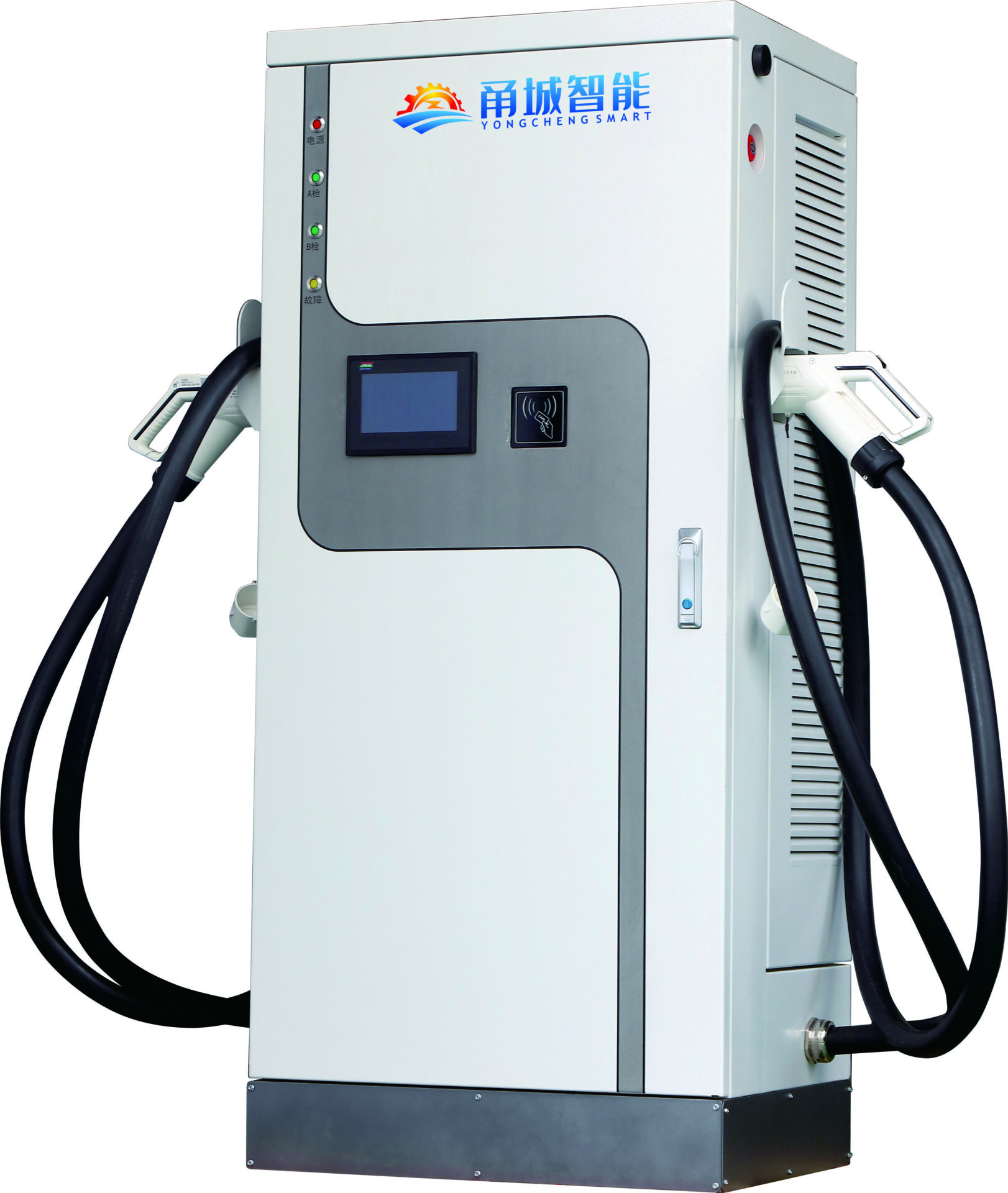
Level 3 chargers, often referred to as DC fast chargers, represent the highest-performance category of charging equipment currently available.
Advantages include:
- Extremely fast charging
- Suitable for long-distance travel
- Supports commercial charging operations
- Reduces driver waiting times
These chargers are commonly installed at public electric vehicle charging stations, highway service areas, fleet depots, and high-traffic commercial locations.
However, Level 3 systems generally involve:
- Higher equipment costs
- More complex installation requirements
- Greater electrical infrastructure demands
As electric vehicle adoption continues to expand globally, all three charger types play important roles in supporting diverse charging needs. The right choice depends on usage patterns, budget considerations, and available infrastructure.
Conclusion
Choosing the right EV charger requires understanding charging speeds, installation requirements, and long-term operating needs. Whether selecting a home EV charging pile or deploying large-scale electric vehicle charging stations, investing in reliable, high-quality charging equipment can significantly improve convenience, efficiency, and the overall electric vehicle ownership experience.
 Bahasa Indonesia
  English (UK)
  Tiếng Việt
  Deutsch
  Español
  Français
  Português
  Русский