
How Can GGJ Low-Voltage Reactive Power Compensation Cabinets Eliminate Power Loss and Improve Electrical Efficiency?
Power systems exposed to harmonic shocks, unstable reactive compensation, and frequent switching losses often experience premature component aging, unstable compensation accuracy, rising electricity bills, and hidden electrical safety risks. If these issues are ignored, factories and commercial facilities may suffer equipment failures, unplanned downtime, voltage instability, and expensive maintenance costs. A GGJ Low-voltage Reactive Power Compensation Cabinet provides an efficient solution by improving power factor, reducing reactive power losses, stabilizing voltage quality, and ensuring safer, more economical power distribution for industrial and commercial operations.
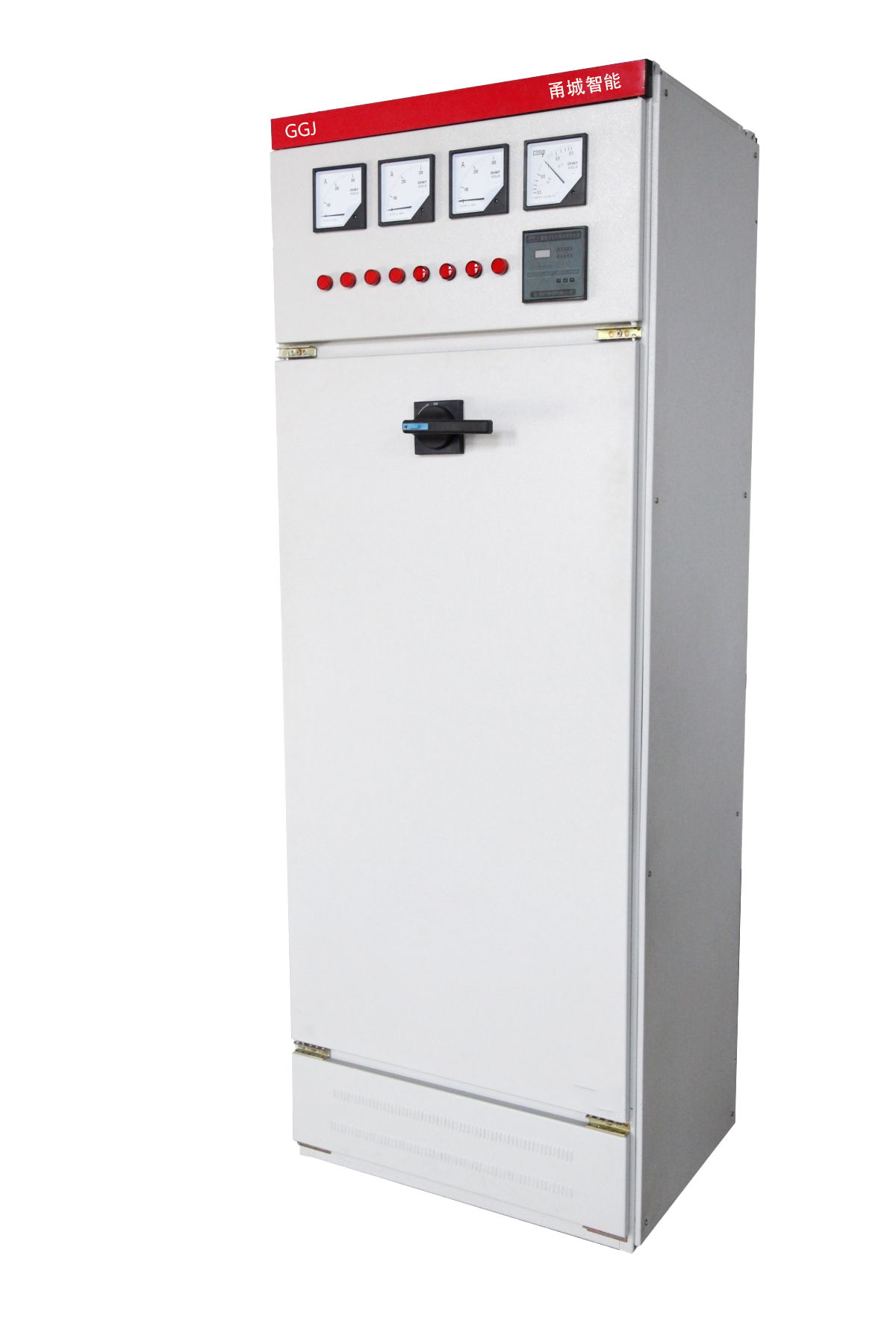
GGJ Low-voltage Reactive Power Compensation Cabinet is a complete low-voltage compensation system designed to improve power quality, reduce line losses, and enhance power supply efficiency. It is widely used in power generation, chemical plants, shipping, subway systems, civil aviation, automotive manufacturing, construction, metallurgy, textiles, and many other industries. With the core objective of improving power quality and reducing electricity costs, the cabinet effectively increases system power factor, minimizes reactive power losses, improves voltage quality, enhances transmission capacity, and helps users achieve more economical, stable, and efficient power management.
Continue reading to discover how this advanced compensation technology improves industrial power efficiency and long-term operational reliability.
Table of Contents
ToggleHow GGJ Low-voltage Reactive Power Compensation Cabinet Work
A GGJ Low-voltage Reactive Power Compensation Cabinet works by automatically compensating reactive power in low-voltage electrical systems to improve the overall power factor and stabilize voltage quality. In industrial and commercial electrical networks, many inductive loads such as motors, transformers, compressors, elevators, and welding equipment consume reactive power during operation. Excessive reactive power reduces system efficiency, increases transmission losses, and causes unnecessary electricity costs.
The GGJ cabinet solves this problem through intelligent compensation technology. The system mainly consists of capacitors, reactors, intelligent controllers, switching devices, protection components, and cabinet structures. The controller continuously monitors power factor, reactive power demand, current, voltage, and harmonic conditions within the electrical network. Once the controller detects insufficient power factor or excessive reactive power consumption, it automatically switches capacitor banks on or off according to actual load conditions.
Modern GGJ Low-voltage Reactive Power Compensation Cabinet manufacturers often integrate intelligent microprocessor controllers capable of precise and fast compensation. These systems can respond dynamically to changing load conditions, ensuring accurate compensation and minimizing overcompensation or undercompensation.
In environments with heavy harmonic distortion, the cabinet may also include detuned reactors or harmonic suppression devices. These components protect capacitors from harmonic resonance, reduce current distortion, and improve the overall safety of the electrical system.
The operation process can generally be summarized into several steps:
- The controller continuously detects electrical parameters.
- The system calculates the required reactive power compensation.
- Capacitor groups are automatically switched based on load demand.
- Harmonic suppression devices reduce electrical disturbances.
- The system maintains an optimized power factor and voltage stability.
By improving power factor, the cabinet reduces line current and transformer loading, which lowers heat generation and extends equipment lifespan. In addition, power utilities in many countries charge penalties for low power factor. Installing a customize GGJ Low-voltage Reactive Power Compensation Cabinet can significantly reduce these penalty charges while improving overall energy efficiency.
The automatic operation of GGJ cabinets also reduces the need for manual intervention, making them suitable for factories, hospitals, airports, commercial buildings, and energy-intensive production facilities where stable and efficient power management is critical.
What are GGJ Low-voltage Reactive Power Compensation Cabinet features?
A GGJ Low-voltage Reactive Power Compensation Cabinet offers numerous advanced features that make it an essential power management solution for modern industries. These features are specifically designed to improve electrical efficiency, reduce energy waste, and ensure safe and stable operation under demanding industrial conditions.
Intelligent Automatic Compensation
One of the key features is intelligent automatic reactive power compensation. The cabinet automatically adjusts capacitor switching according to the real-time load condition. This dynamic response improves compensation accuracy and ensures the system maintains an optimal power factor.
High Power Factor Improvement
The cabinet effectively improves the power factor of the electrical network. A higher power factor reduces unnecessary current flow, minimizes line losses, and lowers electricity costs. Many facilities can improve their power factor from below 0.75 to above 0.95 after installation.
Harmonic Suppression Capability
Modern industrial environments contain a large number of nonlinear loads such as variable frequency drives, UPS systems, and inverter equipment. These devices generate harmonics that may damage capacitors and reduce system stability. Many GGJ Low-voltage Reactive Power Compensation Cabinet suppliers provide cabinets equipped with detuned reactors or harmonic filtering systems to suppress harmonics and prevent resonance.
Modular Design Structure
The cabinet usually adopts a modular design that simplifies installation, maintenance, and future expansion. Users can easily increase capacitor capacity according to growing power demands without replacing the entire system.
Safe and Reliable Protection
Safety protection is another major feature. The cabinet includes overload protection, short-circuit protection, overvoltage protection, overheating protection, and phase-loss protection. These functions significantly improve operational reliability and reduce the risk of electrical accidents.
Energy Saving Performance
By reducing reactive power losses and optimizing electrical efficiency, the cabinet helps enterprises achieve considerable energy savings. Lower transformer losses and reduced cable heating contribute directly to lower operating costs.
Real-Time Monitoring and Communication
Advanced models support digital monitoring and communication protocols such as Modbus, RS485, or Ethernet communication. Operators can monitor power factor, current, voltage, harmonics, and capacitor status remotely through industrial control systems.
Long Service Life
High-quality capacitors, intelligent switching devices, and durable cabinet materials contribute to long operational life. Leading GGJ Low-voltage Reactive Power Compensation Cabinet manufacturers also use corrosion-resistant cabinet coatings and premium electrical components to ensure reliable operation in harsh environments.
Flexible Customization
Different industries have different power system requirements. Many manufacturers offer customize GGJ Low-voltage Reactive Power Compensation Cabinet solutions tailored to voltage level, compensation capacity, harmonic environment, and installation conditions.
Compact Installation
The compact cabinet design saves installation space while maintaining excellent heat dissipation performance. This makes the equipment suitable for factories, data centers, shopping malls, and high-density electrical rooms.
Overall, these features make the GGJ cabinet a highly efficient, intelligent, and economical solution for improving industrial power quality and reducing long-term operating expenses.
Typical Applications for GGJ Low-voltage Reactive Power Compensation Cabinet
The GGJ Low-voltage Reactive Power Compensation Cabinet is widely used across various industries due to its ability to improve power quality, reduce reactive power losses, and stabilize electrical systems. As industries increasingly rely on automated equipment and high-power electrical machinery, maintaining a stable and efficient power supply becomes critically important.
Manufacturing Plants
Industrial manufacturing facilities are among the most common users of GGJ cabinets. Equipment such as motors, welding machines, injection molding systems, and conveyor systems consume significant reactive power. Installing a compensation cabinet improves power factor, reduces transformer loading, and lowers electricity costs.
Power Generation Industry
Power plants use reactive power compensation systems to stabilize voltage and improve grid efficiency. GGJ cabinets help optimize power transmission capacity and reduce energy losses within low-voltage distribution systems.
Chemical Industry
Chemical plants operate numerous pumps, compressors, mixers, and process control systems. These inductive loads generate substantial reactive power demand. GGJ cabinets improve electrical stability and reduce equipment overheating, contributing to safer production environments.
Commercial Buildings
Shopping centers, office towers, hotels, and hospitals require stable electrical systems to support HVAC systems, elevators, lighting systems, and emergency equipment. A GGJ Low-voltage Reactive Power Compensation Cabinet helps improve energy efficiency while reducing operational costs.
Metro and Railway Systems
Urban rail transit systems rely heavily on electrical power for traction equipment, ventilation systems, lighting, and communication systems. Reactive power compensation helps maintain stable voltage and reliable transportation operations.
Data Centers
Modern data centers contain UPS systems, servers, cooling equipment, and precision power systems that may generate harmonics and reactive power issues. Compensation cabinets equipped with harmonic suppression functions help ensure stable power quality and protect sensitive electronic equipment.
Mining and Metallurgy
Mining operations and metallurgical plants often use heavy-duty motors and high-capacity electrical equipment. These facilities usually experience severe reactive power fluctuations and high harmonic levels. GGJ cabinets improve electrical efficiency and reduce system losses.
Textile Industry
Textile factories rely on spinning, weaving, and dyeing machines that operate continuously for long periods. By improving power factor and reducing energy losses, the cabinet helps reduce production costs and increase operational efficiency.
Civil Aviation and Airports
Airports require highly reliable electrical systems to support lighting, baggage handling systems, air conditioning, navigation equipment, and communication systems. Reactive power compensation improves power stability and operational safety.
Renewable Energy Projects
Solar power plants and wind energy systems also use reactive power compensation technology to improve grid compatibility and stabilize voltage fluctuations.
Because different industries have different operational requirements, many GGJ Low-voltage Reactive Power Compensation Cabinet suppliers provide flexible and customized solutions for specific applications. From compact commercial systems to large industrial installations, these cabinets play an essential role in modern power management.
GGJ Low-voltage Reactive Power Compensation Cabinet manufacturing
The manufacturing process of a GGJ Low-voltage Reactive Power Compensation Cabinet directly affects product reliability, safety, efficiency, and service life. High-quality manufacturing requires advanced engineering design, strict quality control, precision assembly, and reliable component selection.
Engineering Design and Technical Planning
The manufacturing process begins with detailed engineering analysis. Engineers evaluate the customer’s electrical parameters, including voltage level, load characteristics, harmonic conditions, compensation capacity, installation environment, and future expansion requirements.
Based on this analysis, manufacturers develop optimized cabinet configurations that meet international electrical standards and customer-specific operational requirements.
Component Selection
Reliable electrical components are essential for stable cabinet performance. Professional GGJ Low-voltage Reactive Power Compensation Cabinet manufacturers carefully select high-quality capacitors, reactors, intelligent controllers, contactors, thyristor switches, circuit breakers, copper busbars, and protection devices.
Premium components provide:
- Better thermal stability
- Higher switching durability
- Improved harmonic resistance
- Longer operational lifespan
- Enhanced electrical safety
Cabinet Fabrication
The cabinet structure is usually manufactured from high-quality cold-rolled steel plates or stainless steel materials. CNC cutting, punching, and bending machines ensure high precision during fabrication.
Surface treatment processes such as phosphating, electrostatic powder coating, and corrosion-resistant finishing improve environmental durability and appearance quality.
Busbar and Wiring Assembly
Copper busbars are installed according to strict electrical design standards to ensure safe current carrying capacity and low resistance. Internal wiring must follow organized layouts with clear labeling to simplify future maintenance and troubleshooting.
Proper insulation spacing and heat dissipation design are also critical during assembly.
Intelligent Control Integration
Modern cabinets incorporate advanced intelligent controllers capable of automatic compensation and real-time monitoring. During manufacturing, technicians integrate software programming, communication systems, and parameter configuration according to project requirements.
Testing and Quality Inspection
Before delivery, each cabinet undergoes comprehensive quality testing. Testing procedures typically include:
- Insulation resistance testing
- Power frequency withstand voltage testing
- Capacitor switching testing
- Protection function verification
- Temperature rise testing
- Communication system testing
- Harmonic suppression testing
Strict quality control ensures the cabinet operates safely and reliably under actual field conditions.
Packaging and Transportation
After final inspection, manufacturers use moisture-proof packaging and shock-resistant transportation methods to protect equipment during shipping.
Many global customers prefer working with experienced GGJ Low-voltage Reactive Power Compensation Cabinet suppliers that provide complete technical support, customization services, installation guidance, and after-sales maintenance.
With the growing demand for energy-efficient electrical systems, manufacturing standards for GGJ cabinets continue to improve, emphasizing automation, intelligent control, and long-term operational stability.
why GGJ Low-voltage Reactive Power Compensation Cabinet made in China is the best quality
China has become one of the world’s leading manufacturing centers for electrical equipment, including GGJ Low-voltage Reactive Power Compensation Cabinet systems. Many international buyers choose Chinese manufacturers because they offer an excellent combination of product quality, technological innovation, manufacturing efficiency, and competitive pricing.
Strong Manufacturing Infrastructure
China possesses a highly developed industrial supply chain for electrical equipment manufacturing. From capacitors and intelligent controllers to sheet metal fabrication and precision assembly, the entire production ecosystem supports efficient and consistent manufacturing quality.
This mature industrial infrastructure allows Chinese GGJ Low-voltage Reactive Power Compensation Cabinet manufacturers to maintain strict quality standards while achieving cost-effective production.
Advanced Production Technology
Leading Chinese factories invest heavily in automation equipment, CNC machinery, robotic welding systems, intelligent testing platforms, and digital production management systems.
These advanced technologies improve:
- Product consistency
- Precision assembly
- Manufacturing efficiency
- Quality control accuracy
- Production scalability
High-Quality Component Integration
Top Chinese manufacturers cooperate with globally recognized electrical component brands while also developing high-performance domestic components. This enables manufacturers to provide both premium international configurations and cost-effective customized solutions.
Extensive Export Experience
Chinese suppliers have extensive experience serving global markets across Asia, Europe, the Middle East, Africa, and South America. They understand international certification standards such as IEC, CE, CCC, and ISO requirements.
This export experience improves communication, project management, technical support, and international logistics efficiency.
Competitive Pricing Without Sacrificing Quality
One major advantage of Chinese manufacturing is the ability to deliver high-quality products at highly competitive prices. Efficient supply chains, large-scale production capacity, and optimized manufacturing processes reduce production costs while maintaining product reliability.
As a result, global buyers can obtain excellent value for industrial power compensation projects.
Strong Customization Capability
Many customers require specialized solutions for unique power environments. Chinese manufacturers excel at providing customize GGJ Low-voltage Reactive Power Compensation Cabinet solutions based on customer requirements.
Customization options may include:
- Different voltage levels
- Harmonic filtering configurations
- Intelligent communication systems
- Cabinet sizes and layouts
- Capacitor capacity combinations
- Environmental protection grades
- Smart monitoring systems
Continuous Innovation
China’s electrical industry continues investing in smart power management, energy-saving technologies, and digital monitoring systems. Many manufacturers now offer intelligent reactive power compensation systems integrated with IoT technology and remote management platforms.
Reliable After-Sales Service
Professional Chinese GGJ Low-voltage Reactive Power Compensation Cabinet suppliers often provide complete after-sales support, including technical consultation, remote troubleshooting, installation guidance, spare parts supply, and maintenance training.
Global Market Recognition
Today, Chinese-made reactive power compensation cabinets are widely used in factories, infrastructure projects, commercial buildings, and energy facilities worldwide. Their stable performance and competitive pricing have earned increasing trust from international customers.
For companies seeking reliable, energy-efficient, and cost-effective power compensation solutions, China has become one of the best sourcing destinations in the global electrical equipment industry.
In summary, the GGJ Low-voltage Reactive Power Compensation Cabinet is an essential solution for improving power quality, reducing energy losses, enhancing electrical safety, and lowering operating costs. With intelligent compensation technology, wide industrial applications, and advanced Chinese manufacturing capabilities, these systems provide reliable and economical power management for modern industries worldwide.
 Bahasa Indonesia
  English (UK)
  Tiếng Việt
  Deutsch
  Español
  Français
  Português
  Русский