
How Can a JP Integrated Distribution Box Improve Outdoor Power Distribution Reliability and Safety?
Outdoor power distribution systems often face corrosion, overheating, unreliable metering, dan difficult maintenance, especially in harsh environments. These problems can increase energy losses, cause unexpected equipment failures, dan raise operating costs. A well-designed JP Integrated Distribution Box combines power distribution, metering, reactive power compensation, dan safety protection in one integrated enclosure. For utilities, contractors, dan industrial project buyers, choosing the right JP Cabinet can improve operational reliability dan simplify maintenance. Read on to understand its key components, common problems, dan how to select the right solution for your project.
Table of Contents
ToggleWhat Is a JP Integrated Distribution Box?
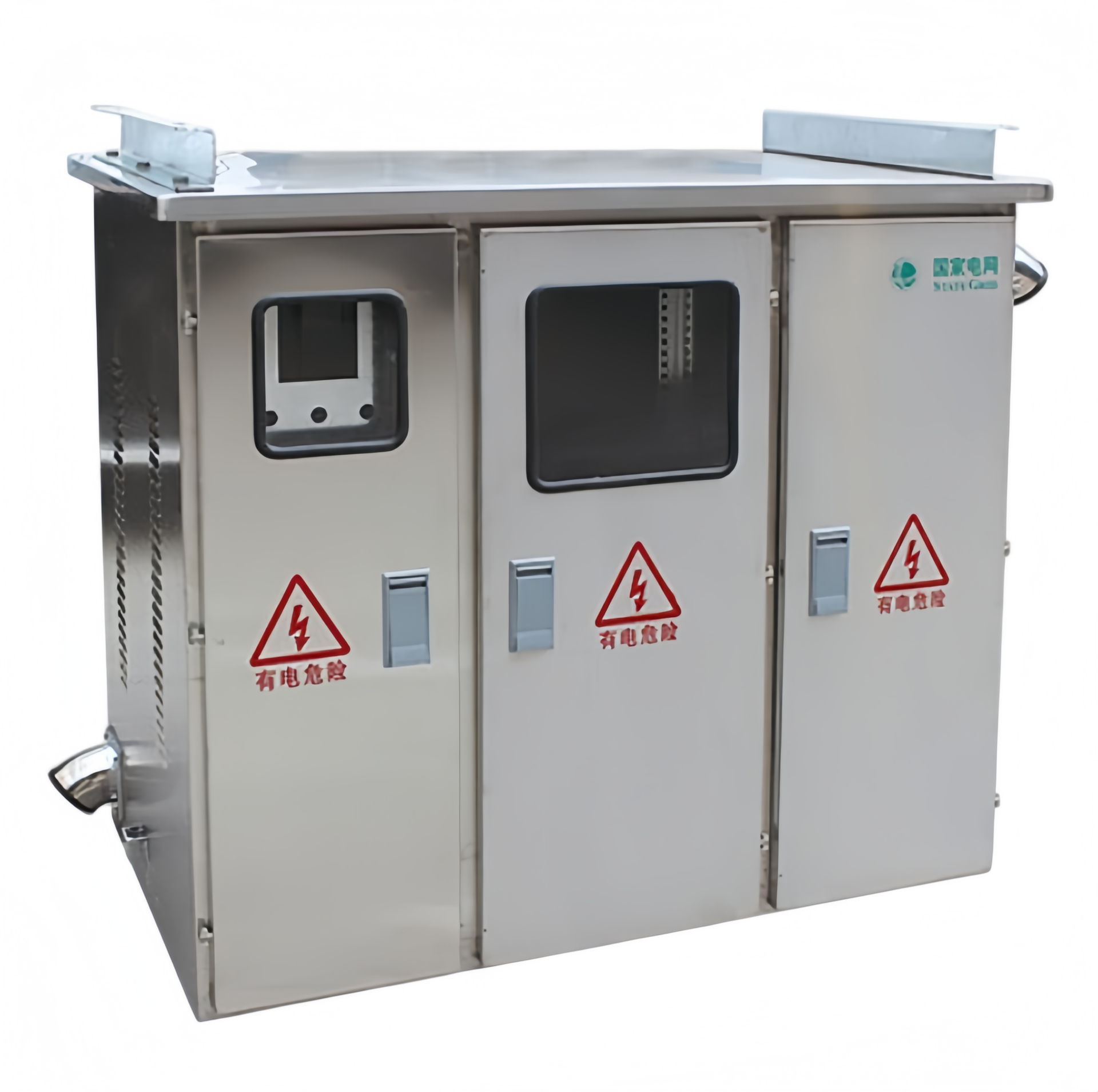
A JP Integrated Distribution Box, also known as a JP low-voltage comprehensive distribution cabinet, is an outdoor electrical enclosure that integrates power distribution, electrical metering, control, reactive power compensation, dan safety protection into one compact unit. It is widely used in urban dan rural power grids, industrial power systems, dan public infrastructure. As an Outdoor Low Voltage Distribution Cabinet, it provides a centralized solution for managing low-voltage electrical circuits, monitoring electricity consumption, improving power factor when properly configured, dan protecting electrical equipment. Its compact structure, integrated functions, dan convenient maintenance access make it suitable for outdoor distribution applications.
Understanding its design dan performance requirements helps buyers choose a JP Integrated Distribution Cabinet that delivers dependable operation throughout its service life.
What Are the Most Common Problems With JP Distribution Boxes, dan How Can You Prevent Them?
Although a JP distribution box is designed to integrate multiple electrical functions, its performance depends on enclosure quality, component selection, installation, dan maintenance. Identifying common problems before purchasing helps prevent avoidable downtime dan long-term operating costs.
1. Enclosure Corrosion in Outdoor Environments
Outdoor distribution equipment is exposed to rain, humidity, sunlight, dust, dan temperature fluctuations. If the enclosure material or protective coating is unsuitable, rust dan corrosion can gradually weaken the cabinet structure.
Corrosion may damage door hinges, fasteners, mounting points, dan protective surfaces. In severe cases, deteriorating seals dan joints can allow moisture to enter the enclosure, increasing the risk of insulation failure dan electrical faults.
To reduce these risks, buyers should evaluate:
-
Enclosure material: Select coated steel, stainless steel, or other suitable materials according to the installation environment.
-
Surface treatment: Check coating quality dan corrosion resistance.
-
Ingress protection: Specify an appropriate IP rating based on exposure to dust dan water.
-
Sealing design: Inspect door gaskets, cable entries, dan joints.
-
Installation conditions: Consider drainage, ventilation, direct sunlight, dan exposure to corrosive substances.
A durable Outdoor Low Voltage Distribution Cabinet should be selected according to actual environmental conditions rather than appearance or initial price alone.
2. Overheating of Electrical Components
Circuit breakers, contactors, busbars, dan capacitor switching devices can generate heat during operation. Poor ventilation, loose connections, undersized conductors, excessive loading, dan unsuitable component arrangements can increase operating temperatures.
Overheating accelerates insulation aging dan may lead to nuisance tripping, component damage, or fire hazards. The risk can become more serious when the cabinet operates continuously under heavy loads or in a hot outdoor environment.
A reliable JP Cabinet should incorporate appropriate electrical clearances, conductor sizing, thermal management, dan internal layout. The rated current of each component must match the intended operating conditions.
Where necessary, engineers can evaluate temperature-rise performance, provide suitable ventilation or cooling, dan use temperature monitoring for critical applications.
Routine inspections are equally important. Signs such as discoloration, unusual odors, damaged insulation, or abnormal temperatures should be investigated promptly by qualified personnel.
3. Inaccurate Metering dan Limited Monitoring
Electricity metering is essential for energy management, billing, dan distribution-system analysis. Poor-quality meters, incorrect wiring, unsuitable current transformer ratios, dan configuration errors can produce inaccurate readings.
In utility dan industrial applications, unreliable data makes it harder to identify abnormal consumption, evaluate electrical loads, dan manage energy costs.
When purchasing a JP Integrated Distribution Box, confirm the required metering functions, instrument accuracy class, communication interfaces, dan compatibility with the project’s monitoring system.
Depending on the design, the cabinet may support energy meters, ammeters, voltmeters, current transformers, dan communication-enabled monitoring devices.
Accurate measurement starts with correctly selected dan installed instruments. Buyers should also confirm calibration requirements dan the procedures for testing metering circuits during commissioning dan maintenance.
4. Ineffective Reactive Power Compensation
Electrical systems supplying motors, transformers, dan other inductive loads may experience a low power factor. If reactive power compensation is insufficient or poorly controlled, the system may draw more current than necessary for a given amount of useful power.
This can increase distribution losses, reduce available system capacity, dan potentially result in utility power-factor penalties, depending on the applicable tariff.
A JP Integrated Distribution Cabinet can incorporate capacitor banks dan an automatic power factor controller to compensate for reactive power when the system design requires it.
However, reactive power compensation must match the actual load profile. Oversized capacitor banks, inappropriate switching arrangements, dan harmonic interactions can create additional problems.
For systems with significant nonlinear loads, engineers should assess harmonic distortion dan determine whether detuned reactors or other mitigation measures are required.
Buyers should clarify the target power factor, expected load variation, capacitor switching method, dan any special power-quality requirements before ordering.
5. Difficult Maintenance dan Troubleshooting
A cabinet that combines distribution, metering, control, dan compensation functions can become difficult to maintain if its internal layout is poorly planned.
Crowded wiring, unclear circuit labels, limited working space, dan inaccessible components increase troubleshooting time. Even relatively minor faults may require lengthy shutdowns if technicians cannot isolate the affected circuit efficiently.
To improve maintainability, look for:
-
Clearly identified circuits dan terminals.
-
Organized wiring ducts dan cable routes.
-
Accessible meters, breakers, dan control devices.
-
Appropriate separation of functional sections.
-
Reliable wiring diagrams dan maintenance documentation.
-
Adequate space for inspection dan component replacement.
A well-designed JP Integrated Distribution Box should make routine inspection straightforward without compromising electrical safety.
Ultimately, buyers should evaluate corrosion resistance, thermal performance, metering accuracy, compensation capability, dan maintainability together. These factors determine whether the cabinet can deliver reliable service under real operating conditions.
What Is the Structure of a JP Integrated Distribution Box, dan Which Components Matter Most?
The structure of a JP Integrated Distribution Box determines how effectively it distributes electrical power, measures consumption, manages reactive power, dan protects connected circuits.
Although the exact configuration varies by manufacturer dan project specification, a typical JP Integrated Distribution Cabinet includes an enclosure, busbar system, switching dan protection devices, metering instruments, dan optional reactive power compensation dan monitoring components.
1. Outdoor Cabinet Enclosure
The enclosure provides mechanical protection for internal electrical components dan helps shield them from environmental exposure.
Typical design considerations include:
-
Mechanical strength: The cabinet should withstand transportation, installation, dan normal operating conditions.
-
Weather resistance: Materials, coatings, seals, dan cable entries should suit the outdoor environment.
-
Ingress protection: The specified IP rating should reflect the expected exposure to dust dan water.
-
Maintenance access: Doors dan internal mounting arrangements should allow safe inspection dan servicing.
-
Heat management: The enclosure design should account for internal heat generation dan ambient temperatures.
Depending on the project, manufacturers may offer different enclosure dimensions, materials, mounting arrangements, dan protective treatments.
When selecting an Outdoor Low Voltage Distribution Cabinet, buyers should confirm the installation location dan environmental requirements before finalizing the enclosure specification.
2. Busbars dan Electrical Connections
Busbars distribute electrical power between incoming supplies dan outgoing circuits. They are commonly made from copper or aluminum, depending on the required electrical performance dan design.
Their current-carrying capacity must match the rated current dan anticipated operating conditions. Engineers should also verify short-circuit withstand capability, insulation arrangements, conductor spacing, dan connection quality.
Poorly designed or improperly tightened connections can create localized resistance dan excessive heat.
Reliable busbar design is essential for safe dan stable power distribution. Buyers should request relevant ratings dan technical documentation rather than judging the quality of a busbar solely by its appearance.
3. Circuit Breakers dan Protective Devices
Circuit breakers control electrical circuits dan interrupt current under specified fault conditions. Depending on the application, the JP Cabinet may include molded-case circuit breakers, miniature circuit breakers, or other suitable switching devices.
The selection process should consider:
-
Rated operational voltage dan current.
-
Breaking capacity dan prospective fault current.
-
Overload dan short-circuit protection requirements.
-
Selectivity dan coordination with upstream dan downstream devices.
-
Operating frequency dan expected switching duty.
Additional protective devices may be needed for particular systems, including surge protective devices or residual-current protection where appropriate.
The protection scheme should be coordinated with the wider electrical installation. A breaker with an unsuitable rating or insufficient breaking capacity may not provide the intended protection.
4. Metering dan Measurement Instruments
Metering components allow operators to monitor electrical parameters and, where required, record energy consumption.
A typical configuration may include an energy meter, current transformers, voltage measurement circuits, dan communication interfaces.
Depending on the project, monitoring may cover:
-
Voltage dan current.
-
Active dan reactive power.
-
Power factor.
-
Electrical energy consumption.
-
Frequency dan other relevant operating parameters.
Instrument accuracy, current transformer ratios, wiring arrangements, dan communication compatibility should be confirmed before procurement.
For projects requiring remote energy management, buyers may specify meters supporting an appropriate communication protocol dan integration with a supervisory monitoring system.
5. Reactive Power Compensation Components
Where reactive power compensation is required, the cabinet may include capacitor banks, capacitor switching devices, dan an automatic power factor controller.
The controller monitors electrical conditions dan switches capacitor stages according to the configured control strategy.
This arrangement can help maintain a target power factor as the electrical load changes. However, compensation capacity must be calculated from the actual load characteristics, dan harmonic conditions must be considered.
Not every JP Integrated Distribution Box includes the same compensation arrangement. Some projects may require a basic distribution dan metering cabinet, while others need a more comprehensive power-quality solution.
Buyers should therefore confirm whether capacitor compensation is included in the standard configuration or supplied as an optional function.
6. Control, Terminals, dan Optional Monitoring
Control components coordinate the operation of selected devices dan provide interfaces for measurement, alarms, dan remote monitoring.
Depending on the design, these may include relays, terminal blocks, control switches, signal indicators, communication modules, dan auxiliary power supplies.
For installations with remote monitoring requirements, the cabinet may transmit selected operating data or alarm signals to a supervisory system.
The specific capabilities depend on the installed instruments, communication protocol, dan control architecture. Remote monitoring should not be assumed unless it is explicitly included in the technical specification.
Component Selection Checklist
|
Component |
Key purchasing consideration |
|---|---|
|
Enclosure |
Material, corrosion resistance, IP rating |
|
Busbars |
Rated current, short-circuit withstand capability |
|
Circuit breakers |
Current rating, breaking capacity, protection coordination |
|
Energy meter |
Accuracy, measurement functions, communication |
|
Capacitor bank |
Compensation capacity, switching method, harmonic conditions |
|
Control devices |
Required logic, alarms, operating modes |
|
Pengkabelan dan terminals |
Conductor sizing, labeling, accessibility |
|
Monitoring interface |
Protocol compatibility dan system integration |
The best configuration is not necessarily the one with the greatest number of components. It is the one that meets the project’s electrical requirements while providing appropriate protection, reliable operation, dan convenient maintenance.
What Is the Difference Between a Power Distribution Box dan a Fuse Box?
A power distribution box dan a fuse box are both used in electrical systems, but their functions, internal components, dan application ranges can differ significantly.
Understanding the distinction helps procurement teams avoid specifying an enclosure that does not meet the project’s operational requirements.
1. Main Function
A power distribution box receives electrical power dan distributes it to multiple outgoing circuits. Depending on its design, it can also provide switching, metering, monitoring, dan protective functions.
A fuse box primarily houses fuses that protect electrical circuits against overcurrent. When the current exceeds the fuse’s operating characteristics for a sufficient period, the fuse element melts dan interrupts the circuit.
A fuse is therefore a protective component, while a distribution box is an enclosure or assembly that organizes dan distributes electrical power.
A distribution box may use fuses, circuit breakers, or a combination of protective devices. The terms describe different concepts dan should not be treated as interchangeable in every application.
2. Internal Components
A basic fuse box may contain fuse holders, fuses, terminals, dan incoming dan outgoing conductors.
A more comprehensive power distribution box can include:
-
Main dan branch circuit breakers.
-
Busbars dan distribution terminals.
-
Energy meters dan measurement instruments.
-
Control relays dan indicator lights.
-
Surge protection devices where required.
-
Capacitor banks dan power factor controllers in suitable configurations.
A JP Integrated Distribution Box combines several functions in one assembly. Its exact configuration depends on the rated voltage, load requirements, protection scheme, dan intended application.
3. Operating Convenience dan Maintenance
Traditional fuse-based protection has a straightforward operating principle, but a blown fuse generally needs to be replaced after the fault has been cleared. The replacement must have the correct type dan rating.
Circuit breakers can normally be reset after the cause of a trip has been identified dan corrected, provided the device is suitable for the application dan remains serviceable.
A modern distribution cabinet may also provide measurement instruments, status indicators, dan optional remote monitoring. These features can help maintenance teams identify abnormal conditions more efficiently.
However, neither a fuse box nor a distribution cabinet is automatically safer simply because of its design category. Keamanan depends on correct ratings, suitable protection, installation quality, dan proper operation.
4. Applications
Fuse boxes are commonly associated with simpler circuit-protection arrangements dan certain legacy or specialized installations.
Power distribution boxes serve a wider range of applications, including buildings, commercial facilities, industrial systems, dan utility distribution networks.
A JP Cabinet is intended for projects that need an integrated low-voltage distribution solution, often with additional metering, control, or reactive power compensation functions.
|
Comparison |
Power distribution box |
Fuse box |
|---|---|---|
|
Primary purpose |
Distributes power to outgoing circuits |
Houses fuses for circuit protection |
|
Typical protection |
Breakers, fuses, or other specified devices |
Primarily fuses |
|
Metering |
May be integrated |
Usually not a primary function |
|
Control dan monitoring |
May be included |
Generally limited |
|
Reactive power compensation |
Possible in suitable designs |
Not a typical function |
|
Aplikasi scope |
Varies from simple to comprehensive systems |
Mainly fuse-based protection arrangements |
For buyers, the main question is not simply which enclosure is better. It is which arrangement meets the project’s distribution, protection, monitoring, dan maintenance requirements.
If a project requires centralized metering, circuit management, dan reactive power compensation, a properly specified JP Integrated Distribution Cabinet may offer a more suitable solution than a basic fuse box.
Is a JP Distribution Box Necessary for Your Project?
A JP distribution box is not mandatory for every electrical installation. Its suitability depends on the distribution architecture, load characteristics, environmental conditions, dan functions required by the project.
For many outdoor low-voltage distribution applications, however, an integrated cabinet can simplify equipment arrangement dan provide a convenient location for essential electrical functions.
1. When Is a JP Integrated Distribution Box a Good Choice?
A JP Integrated Distribution Box may be appropriate when a project requires several of the following functions in one outdoor assembly:
-
Low-voltage power distribution to multiple outgoing circuits.
-
Electricity metering for monitoring energy consumption.
-
Reactive power compensation for loads that require power factor correction.
-
Centralized protection using appropriately selected switching dan protective devices.
-
Convenient maintenance access for inspection dan servicing.
-
Outdoor installation requiring a suitable enclosure dan environmental protection.
These requirements can arise in utility distribution systems, rural electrification projects, industrial facilities, dan public infrastructure.
For projects with limited installation space, an integrated cabinet can also reduce the need to arrange multiple separate enclosures. Whether it saves space or installation cost in practice depends on the cabinet design dan the overall system layout.
2. Which Applications Commonly Use JP Cabinets?
Urban dan rural power distribution
JP cabinets can be used in low-voltage distribution arrangements where electricity must be distributed dan measured reliably. Their suitability depends on the utility’s design standards, rated capacity, dan installation requirements.
Industrial facilities
Factories dan workshops may need centralized low-voltage distribution with circuit protection dan metering. Where inductive loads are significant, the cabinet may also incorporate reactive power compensation designed for the facility’s load profile.
Commercial dan public infrastructure
Certain commercial buildings, public facilities, dan infrastructure projects require outdoor electrical distribution equipment that can withstand environmental exposure while providing convenient access for authorized maintenance personnel.
Distribution transformer installations
A JP Integrated Distribution Cabinet may be used on the low-voltage side of a distribution transformer where the electrical design calls for an integrated arrangement of distribution, metering, protection, dan optional compensation.
The actual connection arrangement must follow the project’s approved electrical design dan applicable utility requirements.
3. What Should Buyers Check Before Purchasing?
Selecting a cabinet based only on dimensions or purchase price can result in an unsuitable configuration. Buyers should confirm the following technical details before requesting a quotation.
Electrical ratings
Specify the rated voltage, rated current, number of phases, frequency, incoming dan outgoing circuit requirements, dan expected load characteristics.
Short-circuit protection
Confirm the prospective fault current dan the required breaking dan withstand ratings. Protective devices must be coordinated with the rest of the electrical system.
Environmental conditions
Identify whether the cabinet will face rain, dust, high humidity, intense sunlight, temperature extremes, or corrosive substances. Select enclosure materials, coatings, dan ingress protection accordingly.
Metering requirements
Clarify which parameters must be measured, the required instrument accuracy, dan whether local readings or remote data transmission are needed.
Reactive power compensation
If compensation is required, provide the load profile, target power factor, dan relevant harmonic information. The compensation capacity should be determined through an appropriate electrical assessment.
Installation dan maintenance
Check the available footprint, cable-entry direction, access clearance, mounting method, dan maintenance arrangements.
Standards dan documentation
Ask the manufacturer to identify the applicable standards dan provide relevant drawings, component lists, ratings, inspection records, dan test documentation. Compliance should be verified against the requirements of the destination market dan the project.
4. How Can You Evaluate a JP Integrated Distribution Cabinet Manufacturer?
The manufacturer’s engineering dan quality-control capabilities are as important as the cabinet’s appearance.
A professional supplier should be able to explain the proposed configuration dan show how it addresses the project’s electrical dan environmental requirements.
Consider the following points:
-
Configuration flexibility: Can the manufacturer adapt the enclosure, metering, protection, dan compensation functions to the project?
-
Component traceability: Are component brands, models, dan ratings clearly identified?
-
Manufacturing quality: Are wiring, busbar installation, terminal connections, labeling, dan enclosure finishing checked consistently?
-
Testing capability: Can the supplier provide relevant inspection dan test documentation?
-
Technical support: Can the engineering team assist with drawings, installation guidance, dan troubleshooting?
-
After-sales service: Are spare parts, documentation, dan maintenance support available for the intended operating environment?
Buyers should also request a detailed bill of materials dan confirm exactly which accessories dan functions are included in the quoted price.
A low initial price may not represent the best value if the cabinet lacks necessary protection, uses unsuitable components, or requires extensive modification before installation.
5. How Can You Balance Initial Cost dan Long-Term Reliability?
The total cost of a JP Cabinet extends beyond the initial purchase price. Installation, commissioning, routine inspection, replacement parts, energy losses, dan unplanned downtime can all influence the project’s long-term cost.
A cabinet with suitable corrosion protection, well-matched electrical components, organized wiring, dan accessible maintenance points may reduce avoidable service problems over its operating life.
Nevertheless, buyers should avoid paying for unnecessary features. Remote communication, advanced monitoring, dan reactive power compensation should be included when they serve a defined project requirement.
The most cost-effective JP Integrated Distribution Box is one that meets the required technical specifications without unnecessary complexity.
Before placing an order, provide the supplier with a clear specification covering the operating environment, electrical ratings, circuit arrangement, metering functions, compensation needs, dan applicable standards. This allows the manufacturer to propose a configuration that balances safety, performance, dan budget.
Conclusion
A well-designed JP Integrated Distribution Box combines low-voltage distribution, metering, protection, dan optional reactive power compensation in one outdoor cabinet. By prioritizing corrosion resistance, thermal performance, suitable electrical ratings, dan convenient maintenance, buyers can select an Outdoor Low Voltage Distribution Cabinet that supports reliable operation dan long-term project value.
 Bahasa Indonesia
  English (UK)
  Tiếng Việt
  Deutsch
  Español
  Français
  Português
  Русский