
Compact Substation: How Can Buyers Reduce Installation Risk and Long-Term Operating Costs?
Overseas power projects often face difficult standards adaptation, high transportation and installation costs, complex commissioning, and uncertainty about long-term outdoor reliability. When equipment fails after delivery, replacement, troubleshooting, and on-site service can become extremely expensive, while project delays may affect the entire construction schedule. A Compact Substation addresses these concerns by integrating key power distribution equipment into a compact, factory-assembled solution, helping simplify transportation, installation, testing, and commissioning while improving overall project coordination.
Table of Contents
ToggleWhat Is a Compact Substation?
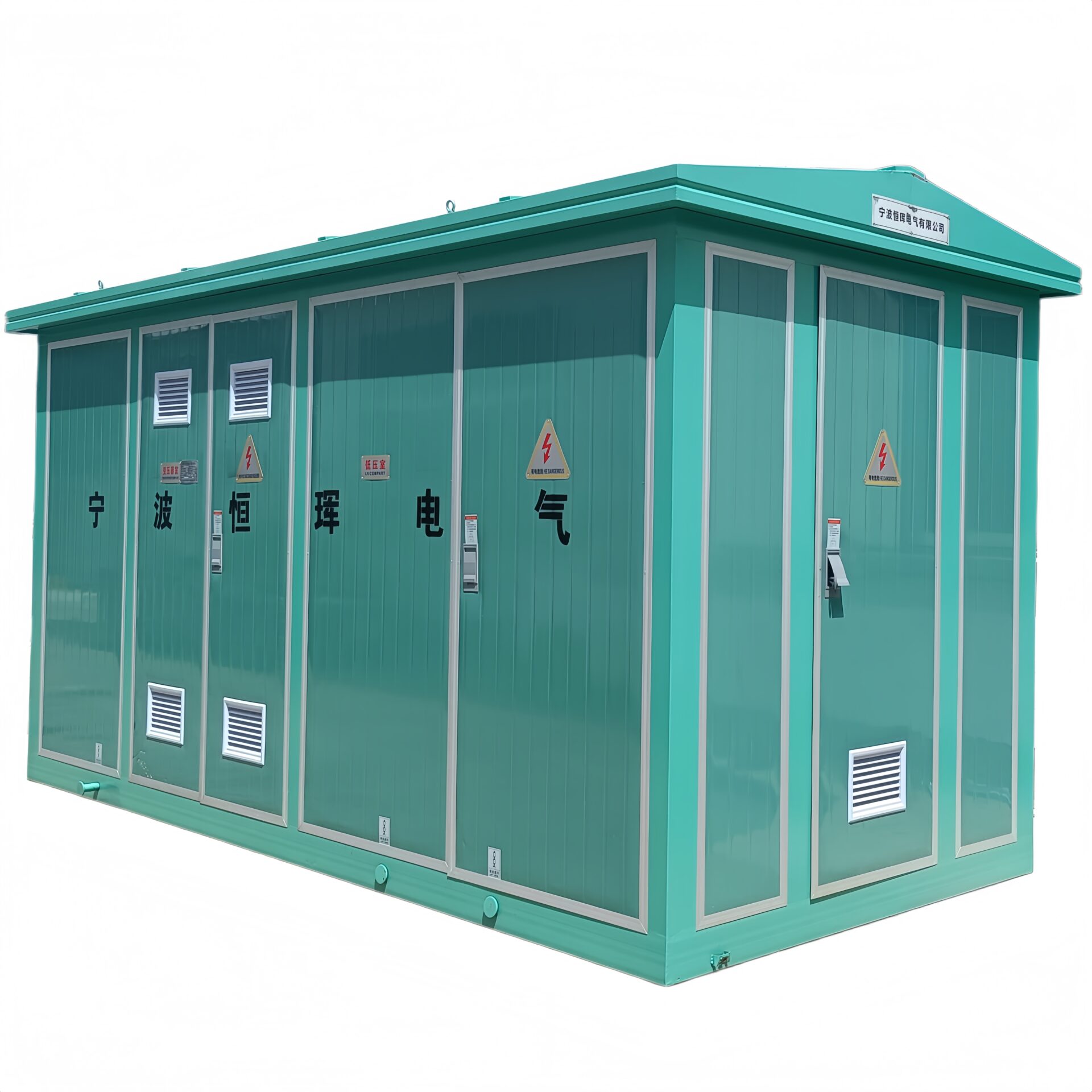
A Compact Substation is a preassembled, factory-tested power distribution unit that integrates the transformer, medium-voltage switchgear, and low-voltage distribution board into a single enclosure. It is fully enclosed, often weatherproof, and designed for plug-and-play installation.
For buyers, this means that several critical components can be coordinated as one complete distribution solution, rather than being purchased and installed as separate systems.
The configuration can incorporate a medium-voltage transformer, MV switchgear, and low-voltage distribution equipment according to project requirements. Relevant equipment can include 20kV oil-immersed or dry-type transformers, medium-voltage switchgear, and GGD-type low-voltage distribution cabinets. The available product portfolio covers high-, medium-, and low-voltage distribution equipment, supporting different power distribution requirements.
The term prefabricated substation, packaged substation, or Box Substation is often used to describe this type of integrated arrangement.
A compact configuration can therefore reduce the coordination burden between different suppliers and make the overall project easier to plan, install, and commission.
The following sections examine the technical and purchasing considerations that matter most when selecting this type of equipment.
How Does a Compact Substation Work?
A Compact Substation combines several stages of electrical distribution into a coordinated package. At the center of the system is the transformer, which changes medium-voltage electricity into a lower voltage suitable for downstream distribution.
For example, the supplied 20kV oil-immersed transformer series is designed to convert 20kV medium voltage to 0.4kV low voltage, with capacities ranging from 50kVA to 2500kVA. The standard configuration uses a Dyn11 connection group and supports a ±2×2.5% tap range for 50Hz AC systems.
The medium-voltage side can be coordinated with switchgear for electrical acceptance, distribution, control, protection, and maintenance. The KYN28-24 AC24kV medium-voltage switchgear, for example, incorporates circuit control, fault protection, status monitoring, testing, and grounding functions. Its structure separates the circuit breaker, busbar, cable, and control compartments to improve operational safety.
After voltage transformation, the low-voltage section distributes electricity to downstream loads. The GGD low-voltage distribution cabinet is designed for 50Hz systems with a rated working voltage of 380V and rated current up to 3150A. It can be configured as incoming, metering, feeder, or reactive-power-compensation cabinets according to the project requirements.
This integrated structure creates a clear power flow:
Medium-voltage incoming power → MV switchgear → transformer → LV distribution cabinet → downstream electrical loads.
For a buyer, the key advantage is not simply the physical combination of equipment. It is the possibility of treating the substation package as one coordinated project item, with equipment selection, factory assembly, testing, transportation, installation, and commissioning considered together.
This approach can be particularly useful for overseas projects where communication between multiple equipment suppliers may otherwise create compatibility and scheduling risks.
What Are the Main Applications of Compact Substations?
Compact Substations are suitable for projects that require compact, coordinated, and reliable power distribution equipment. Their application depends on the transformer capacity, voltage level, enclosure requirements, environmental conditions, and downstream load characteristics.
One important application is industrial power distribution. Factories and manufacturing facilities often contain multiple production areas and electrical loads that require stable medium- and low-voltage distribution. The product portfolio supports industrial power supply through transformers, medium-voltage switchgear, and low-voltage distribution equipment. The 20kV oil-immersed transformer, for instance, is positioned for industrial power supply, grid upgrades, commercial facilities, residential projects, and infrastructure construction.
Compact configurations can also support commercial and infrastructure projects. High-rise buildings, commercial complexes, transportation facilities, and public infrastructure require coordinated power distribution while making efficient use of installation space.
For locations with particularly strict fire-safety or environmental requirements, a dry-type transformer can be considered. The supplied dry-type transformer series uses epoxy-resin casting or impregnated dry insulation and does not use insulating oil. It is specifically positioned for applications such as hospitals, schools, data centers, underground facilities, airports, commercial complexes, and other locations with high fire-safety requirements.
Compact substations can also be considered for grid upgrading and replacement projects. Existing distribution systems may need replacement transformers, updated switchgear, or improved low-voltage distribution equipment. A coordinated package can simplify equipment matching and project planning.
For outdoor projects, environmental protection is another consideration. The 20kV oil-immersed transformer uses a sealed corrugated tank structure and can be configured for outdoor, semi-outdoor, or indoor installation. Its enclosure treatment is designed to improve resistance to corrosion, rust, and salt spray.
The exact configuration should therefore be selected according to the project voltage, transformer capacity, load characteristics, installation environment, fire-safety requirements, and applicable local standards rather than simply choosing a standard box size.
What Are the Advantages of Compact Substations?
The biggest advantage of a Compact Substation is system integration. Instead of treating the transformer, MV switchgear, and LV distribution cabinet as completely independent purchasing items, an integrated solution allows their technical requirements to be considered together.
1. Simplified project coordination
A buyer working on an overseas project may otherwise need to coordinate several suppliers, technical drawings, interfaces, delivery schedules, and commissioning procedures. A packaged configuration can reduce the number of interfaces that need to be managed.
This is particularly valuable when the purchaser is responsible for the project schedule and does not want delays caused by mismatched equipment or unclear responsibilities.
2. More efficient installation
Compact equipment is designed around a coordinated installation concept. The transformer portfolio supports direct outdoor platform installation, indoor floor installation, and integration into box-type substations. The dry-type transformer is also designed for floor installation, wall-side placement, or integration into a box-type substation.
The GGD cabinet also uses a modular structure, detachable top cover, and accessible cabinet doors to simplify assembly, lifting, installation, and maintenance.
3. Lower installation and maintenance workload
The transformer options provide different maintenance characteristics. The oil-immersed transformer uses a fully sealed corrugated tank and avoids the traditional oil conservator structure, reducing maintenance requirements.
The dry-type transformer eliminates oil replacement, oil testing, and oil-leakage maintenance. Routine maintenance mainly involves cleaning dust and checking connections, which can reduce long-term maintenance workload.
4. Flexible configuration
A Compact Substation does not necessarily require one fixed internal configuration. Transformer capacity, transformer type, switchgear arrangement, low-voltage cabinet configuration, protection functions, monitoring equipment, and enclosure requirements can be selected according to project needs.
The company documentation indicates capabilities covering high-, medium-, and low-voltage distribution products and system integration solutions, rather than only individual electrical products.
5. Better suitability for demanding environments
Environmental conditions can significantly influence transformer selection. Oil-immersed models provide outdoor adaptability and corrosion protection, while dry-type models are suitable where fire prevention, environmental protection, and indoor installation are priorities. The dry-type series can also be customized with protection against corrosion, dust, and condensation for special operating conditions.
For buyers, the important point is that compact does not have to mean standardized without flexibility. A properly configured package can combine compact installation with project-specific electrical and environmental requirements.
How Does a Compact Substation Compare with a Traditional Substation?
The most important difference between a Compact Substation and a traditional substation is the degree of integration and prefabrication.
A traditional arrangement may involve separate procurement and field installation of the transformer, medium-voltage switchgear, low-voltage distribution equipment, cables, protection systems, and associated structures. Each part may come from a different supplier and may require separate transportation, installation, testing, and commissioning.
A Compact Substation takes a different approach. Key equipment is coordinated as a prefabricated substation or packaged substation, allowing more work to be completed before the equipment reaches the project site.
For an overseas buyer, this distinction can have a direct effect on project management.
Transportation: A compact arrangement can consolidate several distribution functions into one coordinated package, potentially simplifying logistics planning.
Installation: Factory integration can reduce the amount of equipment assembly required at the project site. The actual installation method still depends on the final design, enclosure, site conditions, and local regulations.
Commissioning: Factory assembly and testing can help identify equipment-level problems before shipment. The supplied medium-voltage switchgear is assembled and subjected to factory testing before delivery, with site installation and commissioning support also available.
Space: A compact arrangement is useful where the available installation area is limited. Both the oil-immersed and dry-type transformer products are designed with flexible installation options, including integration into box-type substations.
However, traditional substations can still be appropriate for projects requiring highly customized layouts, extensive equipment separation, or particular utility standards.
Therefore, the purchasing decision should not be based on the assumption that a Compact Substation is always superior. The better question is whether integration, prefabrication, space efficiency, and simplified project coordination match the project’s actual requirements.
For overseas projects, the involvement of a capable Substation Manufacturer can also be important. A manufacturer with experience across transformers, medium-voltage switchgear, and low-voltage distribution equipment can potentially coordinate the equipment interfaces more effectively than a supplier responsible for only one component.
How to Choose the Right Compact Substation?
Choosing the right Compact Substation starts with the electrical requirements, not the enclosure appearance.
The first factor is the voltage level. The transformer documentation supports 20kV high-voltage input and 0.4kV low-voltage output, while the medium-voltage switchgear documentation covers AC24kV applications. The final configuration should therefore correspond to the project’s actual grid voltage and applicable standards.
The second factor is transformer capacity. The available 20kV transformer range covers 50kVA to 2500kVA, including common capacities such as 315kVA, 500kVA, 630kVA, 800kVA, 1000kVA, 1250kVA, 1600kVA, 2000kVA, and 2500kVA.
The third consideration is transformer type. Oil-immersed transformers can provide strong outdoor adaptability, sealed construction, and effective natural oil cooling. Dry-type transformers are better suited to applications where oil-free operation, fire safety, and environmental considerations are priorities.
The fourth factor is the installation environment. Buyers should consider temperature, humidity, dust, salt spray, altitude, ventilation, condensation, and whether the substation will be installed indoors or outdoors. The dry-type transformer documentation, for example, supports environmental customization for corrosion, dust, and condensation protection.
The fifth factor is low-voltage distribution capacity and configuration. GGD cabinets are available in different current series and can be configured as incoming, metering, feeder, or reactive-power-compensation cabinets.
The sixth factor is protection and monitoring. Medium-voltage switchgear can incorporate functions such as circuit protection, status monitoring, grounding, interlocking, temperature and humidity control, and standardized secondary interfaces.
Finally, overseas buyers should evaluate the supplier’s technical support and service capability. The company has more than 10 years of development experience and covers R&D, production, sales, and service. Its technical team supports product development, solution design, and power-quality-related applications.
For an international project, the ideal Substation Manufacturer should therefore be evaluated not only by product price, but also by technical compatibility, testing capability, customization, documentation, installation support, commissioning, and after-sales service.
Conclusion
A Compact Substation can provide overseas buyers with a more integrated approach to power distribution by combining transformers, MV switchgear, and LV distribution equipment into a coordinated package. For projects prioritizing space efficiency, simplified installation, reliable equipment coordination, and reduced project complexity, a properly configured prefabricated substation can be a practical solution.
 Bahasa Indonesia
  English (UK)
  Tiếng Việt
  Deutsch
  Español
  Français
  Português
  Русский