
JXF Distribution Box: What Should Buyers Look for Before Ordering?
For electrical equipment buyers, a JXF Distribution Box can become a hidden source of installation and maintenance problems when enclosure quality, protection, and internal space are not properly controlled. Common issues include box deformation, peeling paint, weak dust and moisture protection, limited wiring space, difficult maintenance, and inconsistent specifications between suppliers. These problems can increase installation time, complicate troubleshooting, shorten service life, and create unnecessary procurement risks. A carefully designed JXF Series Power Distribution Box addresses these concerns through a stronger enclosure, appropriate protection design, practical internal layout, and standardized manufacturing. Understanding its purpose, structure, and key functions can help buyers make a more reliable sourcing decision.
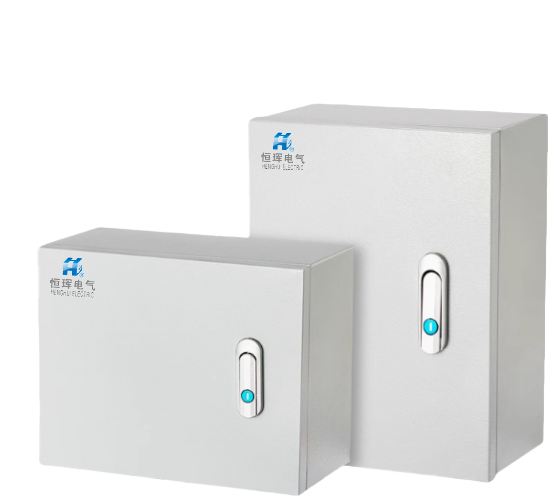
A JXF Distribution Box is a low-voltage electrical metal enclosure used to control, monitor, distribute, and protect power and lighting circuits. It houses electrical components and wiring in a protected enclosure, helping organize power distribution while improving operational safety, equipment protection, and maintenance accessibility.
Before choosing a supplier, buyers should look beyond the enclosure itself and understand how the box supports the complete distribution system.
What Is a JXF Distribution Box and How Does It Fit Into a Low-Voltage System?
A JXF Distribution Box is a type of low-voltage electrical enclosure designed to accommodate electrical components, connection terminals, and wiring used for power distribution and control. In practical applications, it provides a structured and protected location where electrical circuits can be arranged, connected, controlled, and maintained.
For procurement teams, the important point is that a Distribution Box is not simply a metal box with a door. Its value depends on the combination of enclosure construction, internal space, protection, wiring arrangement, component compatibility, and manufacturing consistency.
The JXF Power Box concept is particularly relevant when a project requires electrical components to be grouped in a compact enclosure. Instead of leaving electrical connections exposed or arranging components in an unorganized installation area, the enclosure creates a defined space for electrical equipment and wiring. This makes the overall distribution arrangement easier to understand and manage.
A well-designed enclosure also needs to consider the environment in which it will operate. Dust, moisture, temperature changes, accidental contact, and mechanical impact can all influence the reliability of electrical equipment. Therefore, the enclosure should provide appropriate physical protection while still allowing technicians to access internal components when inspection or maintenance is required.
The broader product information available for low-voltage distribution equipment emphasizes the importance of standardized construction, protective design, reliable grounding, corrosion resistance, ventilation, and convenient maintenance. For example, the GGD low-voltage distribution cabinet uses a modular construction concept, protective enclosure design, treated metal components, and a practical internal arrangement to support reliable operation and maintenance.
This provides an important reference for buyers evaluating a JXF Series Power Distribution Box: the enclosure should be considered as part of an electrical system rather than as an isolated sheet-metal product.
For B2B buyers, this distinction matters. A low purchase price may appear attractive if only the external appearance is compared. However, inconsistent dimensions, poor coating adhesion, insufficient internal wiring space, or difficult access can create additional costs during installation and service. A more systematic purchasing approach therefore evaluates construction quality, protection, usability, customization capability, and production consistency together.
A reliable supplier should also be able to communicate specifications clearly. Buyers may need to confirm enclosure dimensions, component arrangement, cable entry requirements, protection requirements, material and surface treatment, quantity, and other project-specific conditions before production. Clear technical communication helps reduce the possibility of receiving products that technically look similar but cannot be installed as planned.
For this reason, a JXF Distribution Box should be viewed as a practical interface between the incoming electrical supply, downstream circuits, and the technicians responsible for operating and maintaining the system.
What Is the Purpose of a JXF Distribution Box in Power Distribution?
The primary purpose of a JXF Distribution Box is to provide a protected and organized location for electrical distribution and control. It allows electrical components and circuit connections to be installed inside an enclosure instead of being exposed, helping create a more structured low-voltage distribution arrangement.
One important purpose is electrical protection. Components installed inside the box can be physically separated from the surrounding environment and protected against accidental contact and external contaminants. The precise protection level depends on the actual enclosure design and project requirements, so buyers should confirm the required protection specification before ordering.
A second purpose is circuit organization. Electrical systems can contain multiple incoming and outgoing circuits, control components, terminals, and cables. Without a practical internal layout, wiring can become crowded and difficult to identify. A properly configured JXF Power Box gives these elements a defined installation area, making the wiring arrangement more orderly.
A third purpose is maintenance accessibility. Electrical equipment does not become maintenance-free simply because it is installed inside an enclosure. Technicians may need to inspect terminals, tighten connections, replace components, identify faults, or modify circuits. If the internal space is too limited or the component arrangement is poorly planned, routine maintenance becomes slower and more complicated.
This is why usable internal space is an important procurement consideration. Buyers should not evaluate an enclosure only by its external dimensions. The available space for components, wiring bends, terminal connections, and future servicing can have a direct influence on installation efficiency.
The purpose of a Distribution Box can also extend to supporting different project configurations. Electrical distribution requirements vary between applications, so standardized products need sufficient flexibility to accommodate different component arrangements. The GGD product documentation, for example, describes modular construction and multiple cabinet configurations to adapt to different distribution requirements.
For a JXF Series Power Distribution Box, this principle means that standardization and customization need to work together. Standardized manufacturing can improve consistency between batches, while appropriate customization can allow the enclosure to match the customer’s actual electrical design.
Another important purpose is supporting safe and efficient installation. A practical enclosure should allow cables and components to be arranged without unnecessary interference. The door, internal mounting structure, cable entry area, and component positions should work together rather than creating obstacles for technicians.
The enclosure’s surface treatment also matters. Paint peeling and corrosion can affect appearance and, depending on the environment and construction, reduce the long-term durability of the enclosure. The available low-voltage cabinet documentation highlights the use of polyester paint and galvanized/passivated internal mounting components to improve corrosion resistance and durability.
For procurement managers, the purpose of a JXF Distribution Box can therefore be summarized in five practical objectives:
- Protect electrical components and connections.
- Organize power distribution and control circuits.
- Improve installation efficiency.
- Support inspection and maintenance.
- Provide a standardized enclosure that can be adapted to project requirements.
A buyer who evaluates these objectives before placing an order is more likely to select a product that delivers value throughout its service life rather than simply meeting the initial purchasing price.
What Are the Key Features and Functions of a JXF Distribution Box?
The key features of a JXF Distribution Box should be evaluated from both an electrical and mechanical perspective. For buyers, the most important question is not whether the enclosure looks robust in a product photograph, but whether its design can consistently support installation, operation, protection, and maintenance.
1. Strong Enclosure Construction
The enclosure needs sufficient mechanical strength for its intended application. One of the purchasing concerns associated with low-quality boxes is deformation of the enclosure. Deformation can affect appearance, door alignment, component installation, and overall usability.
A properly manufactured box should maintain dimensional stability during transportation, installation, and normal service. The construction method, material selection, reinforcement, door design, and manufacturing process all contribute to this result.
The reference information for GGD low-voltage distribution cabinets demonstrates this approach through a welded cold-formed steel framework designed for rigidity and load-bearing capability.
For JXF buyers, the specific construction should be confirmed according to the required enclosure size and application rather than assumed from the product name alone.
2. Reliable Surface Protection
Paint quality is another important purchasing factor. Peeling paint is more than an appearance problem. Poor surface adhesion can expose the underlying metal to environmental conditions and reduce the perceived quality of the equipment.
The low-voltage product documentation describes polyester orange-peel paint with strong film adhesion and corrosion resistance, while internal mounting components receive galvanizing and passivation treatment.
For a JXF Series Power Distribution Box, buyers should therefore ask suppliers about the material, surface preparation, coating process, coating quality, and environmental suitability instead of simply specifying a color.
3. Appropriate Dust and Moisture Protection
A distribution enclosure should provide protection appropriate to its installation environment. Dust and moisture can create problems for electrical components, particularly when the enclosure is installed in challenging conditions.
Protection performance depends on the actual enclosure structure, door sealing, cable entry design, ventilation arrangement, and specified protection rating. The GGD reference product, for example, provides a basic IP30 protection level and allows customization within IP20 to IP40 according to user requirements.
This illustrates an important procurement principle: the protection level should be specified according to the application, rather than treated as a universal feature of every Distribution Box.
4. Practical Internal Wiring Space
One of the most common practical problems for buyers and installers is insufficient internal space. A box may have an acceptable external appearance while still being difficult to wire because cables, terminals, breakers, and other components compete for limited space.
A well-planned JXF Power Box should provide sufficient room for component installation, cable routing, connection, inspection, and maintenance according to the selected configuration.
This is particularly important when the box is customized. The supplier needs to understand the electrical schematic and component list before finalizing the internal layout. Clear technical drawings can help confirm whether the selected components and wiring arrangement can fit comfortably.
5. Convenient Maintenance Access
Maintenance should be considered before the product is installed, not after a fault occurs.
A practical enclosure should allow technicians to open the door, inspect components, access terminals, and perform necessary maintenance without excessive obstruction. The GGD product documentation specifically identifies removable top covers and convenient cabinet-door construction as measures supporting installation and maintenance.
For a JXF Distribution Box, the exact door and mounting arrangement should be selected according to the project. The goal is straightforward: technicians should be able to reach the required components without unnecessary disassembly.
6. Reliable Grounding and Safety
Grounding is another fundamental function of electrical enclosures. A metal enclosure should incorporate an appropriate grounding arrangement so that the enclosure can be integrated into the protective grounding system according to applicable electrical requirements.
The GGD documentation describes reliable connections between the instrument door, framework, and internal mounting parts to establish a complete grounding protection circuit.
For buyers, grounding details should therefore be included in technical specifications and reviewed before production.
7. Flexible Configuration and Customization
Different projects rarely have exactly the same electrical arrangement. Component selection, enclosure dimensions, cable entry, internal layout, protection requirements, and installation conditions may vary.
A useful JXF Series Power Distribution Box should therefore support reasonable customization based on the customer’s electrical design.
The manufacturer’s broader product capabilities include customized electrical equipment and solutions, supported by technical teams covering product development, production, sales, and service. This type of integrated capability can be valuable for B2B buyers who need more than a standard enclosure.
Customization should, however, be based on clear technical information. Buyers should provide the required dimensions, electrical schematic, component list, cable requirements, installation conditions, and other specifications wherever applicable.
8. Standardized Manufacturing
Specification consistency is critical for repeat procurement. When a buyer orders multiple batches of a Distribution Box, differences in dimensions, component positioning, coating quality, or wiring arrangements can create unnecessary installation and inventory problems.
Standardized manufacturing helps reduce these variations. The GGD documentation emphasizes standardized production, modular construction, and clear ordering information, including product model, electrical system diagram, and component list.
This is particularly relevant for distributors and engineering buyers purchasing multiple units. Consistency makes installation planning easier and reduces the risk of receiving products that require unexpected modifications on site.
9. Compatibility With Different Electrical Components
A JXF Distribution Box serves as an enclosure for electrical equipment, so its usefulness depends on compatibility with the components specified for the project.
Depending on the design, the internal space may need to accommodate circuit protection devices, terminals, control components, meters, cables, and other electrical accessories. The exact configuration should be determined from the electrical diagram rather than assumed.
This is where technical communication between the buyer and manufacturer becomes important. A supplier with experience in power distribution equipment and electrical system integration can help ensure that the enclosure configuration corresponds with the intended electrical arrangement.
10. Support for Long-Term Project Requirements
Finally, a good JXF Power Box should be considered from a lifecycle perspective.
Procurement cost is only one part of the total cost. Installation labor, maintenance time, replacement requirements, inconsistent batches, and field modifications can all affect the actual cost of ownership.
A stronger enclosure, practical internal arrangement, appropriate protection, reliable surface treatment, and standardized production can help reduce avoidable problems over the product lifecycle.
For B2B customers, this is particularly important when purchasing for construction projects, electrical contractors, distributors, industrial facilities, or repeated installations. The best Distribution Box is not necessarily the cheapest unit; it is the one that provides predictable quality, suitable configuration, efficient installation, and manageable maintenance at the required project cost.
How Should Buyers Evaluate a JXF Distribution Box Before Purchasing?
For procurement teams, the final evaluation should combine technical requirements with supplier reliability. Before placing an order, buyers should confirm the enclosure dimensions, material, surface treatment, protection requirements, internal component arrangement, wiring space, grounding design, cable entry method, and customization requirements.
The supplier should also be able to communicate technical drawings and product specifications clearly. For repeat orders, buyers should pay particular attention to production consistency because even small dimensional differences can affect installation.
Supplier capability is equally important. Ningbo Henghui Electric Co., Ltd. is described in the supplied company materials as an enterprise covering R&D, production, sales, and service, with a focus on intelligent, precise, safe, efficient, and environmentally oriented power distribution products. The company also has experience across high-, medium-, and low-voltage power distribution products and system integration solutions.
This broader technical background can be relevant when a JXF Distribution Box needs to be considered alongside other distribution equipment rather than purchased as an isolated enclosure.
A buyer should also avoid relying only on product photographs or a general model name. Technical confirmation before production is the safer purchasing method. The required specification should be documented clearly so that both parties understand what is being manufactured.
For overseas buyers, this approach can also improve communication efficiency. Instead of repeatedly discussing individual details during production, the buyer can establish a clear technical specification at the quotation and order stage.
The most useful purchasing checklist can therefore be kept simple:
1. Application: Where will the Distribution Box be installed?
2. Dimensions: What enclosure size is required?
3. Electrical configuration: Which components and circuits need to be installed?
4. Protection: What level of dust, moisture, and physical protection is required?
5. Wiring: Is there sufficient internal space for cables, terminals, and future maintenance?
6. Construction: Is the enclosure sufficiently rigid and dimensionally consistent?
7. Surface treatment: Is the coating suitable for the intended environment?
8. Grounding: Is the protective grounding arrangement clearly specified?
9. Customization: Can the supplier adapt the enclosure to the approved electrical design?
10. Consistency: Can the supplier maintain the same specification across repeat orders?
For buyers sourcing a JXF Series Power Distribution Box in volume, these questions can help distinguish a genuinely suitable supplier from one that only provides a visually similar product.
Conclusion
A JXF Distribution Box should provide more than basic enclosure space. For professional buyers, the key considerations are mechanical strength, surface durability, dust and moisture protection, practical wiring space, maintenance access, grounding, customization, and manufacturing consistency. Evaluating these factors before ordering can reduce installation risks and support more reliable long-term distribution projects.
 Français
  English (UK)
  Bahasa Indonesia
  Tiếng Việt
  Deutsch
  Español
  Português
  Русский