
How Can You Choose the Right Lighting Distribution Box for Safe and Reliable Electrical Protection?
Are you struggling to find a Lighting Distribution Box that truly fits your project? A mismatched enclosure, limited wiring space, poor IP protection, or thin steel that rusts easily can lead to difficult installation, overheating, overloaded circuits, and even electrical fires. Choosing the wrong box may also prevent you from installing the required number of breakers or meeting flush-mounted and surface-mounted requirements. The good news is that selecting the right MCB Distribution Box solves these problems by improving safety, flexibility, and long-term reliability. Keep reading to learn everything you need to know.
What Is a Lighting Distribution Box?
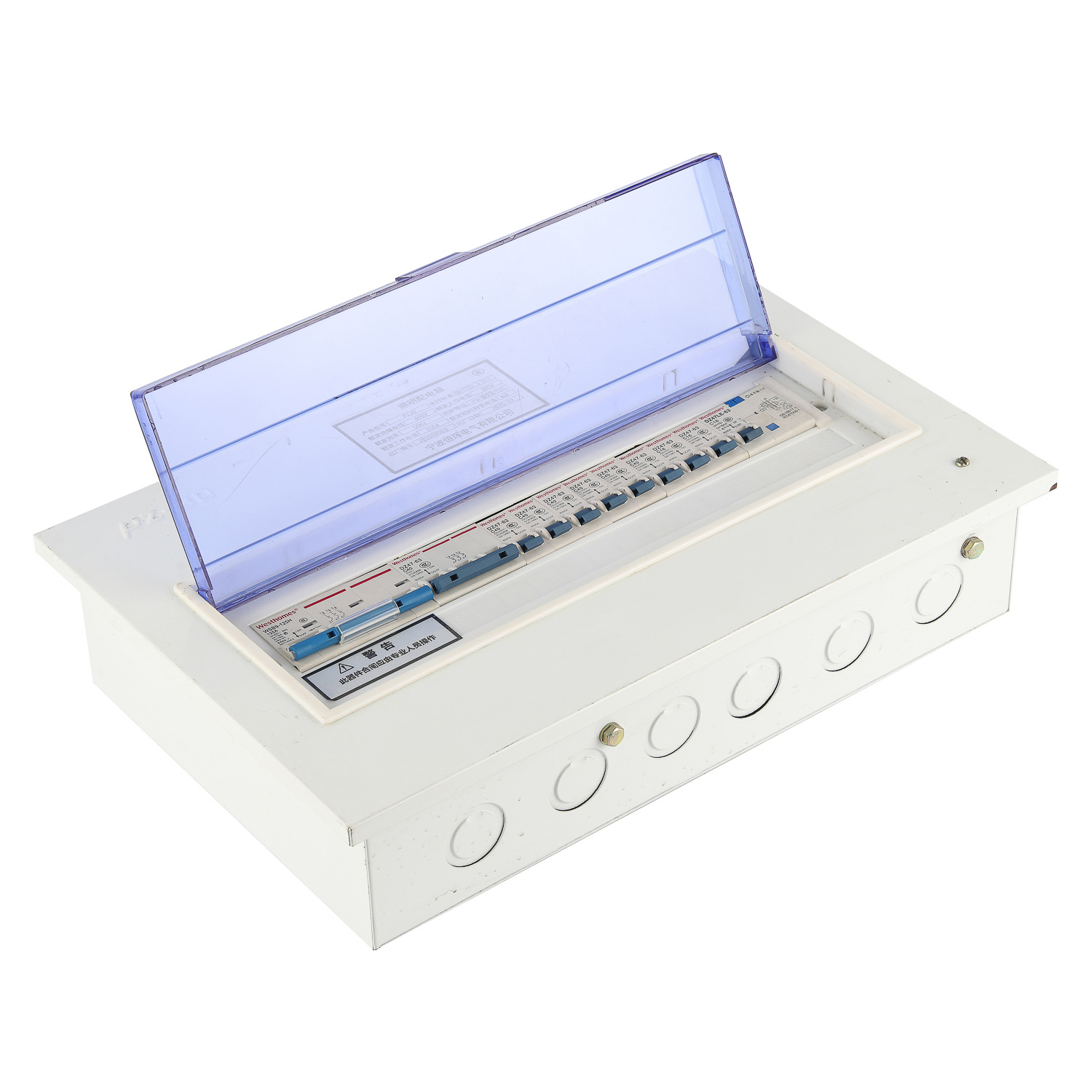
A Lighting Distribution Box is a compact electrical panel that safely divides incoming electrical power into multiple protected circuits for lighting and wall outlets. It contains protective devices such as Miniature Circuit Breakers (MCBs), neutral and earth bars, and internal wiring. Designed for low-voltage electrical systems, it typically handles loads below 63 amps, ensuring safe power distribution, overload protection, short-circuit protection, and convenient maintenance in residential, commercial, and light industrial buildings.
Continue reading to discover how a Lighting Distribution Box improves electrical safety, simplifies maintenance, and supports reliable power distribution.
What Are the Key Parts of a Lighting Distribution Box?
A Lighting Distribution Box may look simple from the outside, but inside it contains several carefully designed components that work together to provide safe and efficient electrical distribution. Understanding these components helps buyers choose the right model for their projects.
1. Enclosure
The enclosure protects all internal electrical components from dust, moisture, accidental contact, and mechanical damage.
Common enclosure materials include:
- Powder-coated steel
- Galvanized steel
- Stainless steel
- High-strength ABS plastic
Steel enclosures provide excellent durability for commercial and industrial environments, while plastic versions are lightweight and corrosion-resistant for residential installations.
2. Miniature Circuit Breakers (MCBs)
The MCB Distribution Box gets its name because it houses Miniature Circuit Breakers (MCBs).
Each MCB protects one individual circuit by automatically disconnecting power when:
- Current exceeds the rated value
- A short circuit occurs
- An overload is detected
This prevents overheating, cable damage, and electrical fires.
3. DIN Rail
Nearly every modern Modular MCB Distribution Box uses a standardized DIN rail.
The DIN rail allows electricians to quickly install or replace:
- MCBs
- RCCBs
- RCBOs
- Surge Protective Devices (SPDs)
- Timers
- Smart monitoring modules
This modular design makes upgrades easy.
4. Neutral Bar and Earth Bar
Inside the panel are dedicated terminals for:
- Neutral conductors
- Protective earth conductors
Proper separation improves electrical safety and simplifies maintenance.
5. Busbar
Instead of connecting every breaker individually, a busbar distributes incoming power evenly to all MCBs.
Benefits include:
- Cleaner wiring
- Lower installation time
- Reduced voltage drop
- Better electrical reliability
6. Cable Entry Openings
Modern distribution boxes include knockouts or cable glands that allow cables to enter neatly from:
- Top
- Bottom
- Rear
This improves installation flexibility.
7. Door and Lock
Many commercial Consumer Unit designs feature lockable doors that prevent unauthorized access while allowing easy inspection.
8. Mounting Accessories
Depending on installation requirements, manufacturers provide:
- Flush-mounted accessories
- Surface-mounted brackets
- Adjustable fixing holes
These options make installation much easier in different building types.
Together, these components create a safe, organized, and highly reliable electrical distribution system suitable for homes, offices, schools, shopping centers, and light industrial facilities.
What Are the Main Jobs of a Lighting Distribution Box?
The primary purpose of a Lighting Distribution Box is to distribute electricity safely. However, modern distribution boxes perform several important functions beyond simply dividing electrical power.
Power Distribution
Incoming electricity from the main supply is divided into multiple branch circuits.
Typical circuits include:
- Indoor lighting
- Outdoor lighting
- Wall sockets
- Emergency lighting
- Decorative lighting
Each circuit operates independently.
Overload Protection
Electrical loads often increase as buildings expand.
When current exceeds the safe limit, the installed MCB trips immediately to protect cables and connected equipment.
Short-Circuit Protection
A damaged cable or faulty appliance can create a dangerous short circuit.
Without protection, temperatures may rise within seconds.
The MCB disconnects the fault rapidly, reducing the risk of:
- Fire
- Equipment damage
- Electric shock
Circuit Isolation
Individual circuits can be isolated without shutting down the entire building.
For example:
- Replace one light fitting
- Repair hallway lighting
- Upgrade office lighting
Other circuits continue operating normally.
Maintenance Convenience
Clear labeling inside the Consumer Unit allows electricians to quickly locate each circuit.
Maintenance becomes faster, reducing downtime.
System Expansion
A modular design allows additional breakers to be installed later.
This flexibility supports:
- Home renovations
- Office expansion
- Commercial upgrades
Electrical Safety
Modern Modular MCB Distribution Box designs may also include:
- RCCBs
- RCBOs
- Surge Protection Devices
- Monitoring modules
These additions significantly improve overall electrical safety.
Energy Management
Some advanced models integrate:
- Smart meters
- Energy monitoring
- Remote communication
Facility managers can monitor electrical consumption in real time.
Because of these functions, the Lighting Distribution Box becomes the central control point for low-voltage lighting circuits.
What Is the Purpose of a Lighting Distribution Box?
The purpose of a Lighting Distribution Box extends well beyond housing electrical breakers. It plays a critical role in ensuring the safety, reliability, and efficiency of an electrical installation.
Protect People
Electrical accidents remain one of the leading causes of building fires.
Properly selected circuit breakers reduce risks associated with:
- Electric shock
- Cable overheating
- Fire hazards
Protect Electrical Equipment
Lighting systems include:
- LED drivers
- Smart lighting controllers
- Sensors
- Emergency lighting systems
These devices require stable and protected electrical power.
The distribution box shields them from electrical faults.
Organize Electrical Wiring
Without a distribution box, electrical wiring becomes difficult to manage.
The enclosure provides:
- Neat cable routing
- Clear circuit identification
- Easier troubleshooting
Improve Installation Quality
Professional electrical contractors prefer modular panels because they:
- Speed installation
- Reduce wiring mistakes
- Improve appearance
Meet Electrical Standards
Quality MCB Distribution Boxes are designed to comply with international electrical standards.
Compliance provides confidence for:
- Building inspections
- Safety certification
- Long-term operation
Support Future Upgrades
Electrical demand continues to grow.
Future additions may include:
- EV chargers
- Solar power
- Smart home devices
- Battery storage
A modular Consumer Unit allows these upgrades without replacing the entire panel.
Increase Building Reliability
Proper power distribution minimizes unexpected outages and improves overall electrical system stability.
This is especially important for commercial buildings where downtime can be costly.
Ultimately, the purpose of a Lighting Distribution Box is to provide a safe, organized, expandable, and dependable electrical distribution solution that protects both people and property.
The Application of a Lighting Distribution Box
Because lighting circuits exist in nearly every building, the Lighting Distribution Box is one of the most widely used electrical distribution products.
Residential Buildings
Homes typically use a Consumer Unit to manage:
- Living room lighting
- Bedroom lighting
- Kitchen lighting
- Outdoor lights
- Wall sockets
Modern homes increasingly require additional circuits for smart devices and home automation.
Commercial Buildings
Office buildings require reliable lighting for:
- Workspaces
- Corridors
- Meeting rooms
- Reception areas
- Emergency exits
Separate circuits improve maintenance efficiency.
Shopping Centers
Retail environments depend on stable lighting for:
- Display lighting
- Signage
- Decorative lighting
- Security systems
Modular distribution boxes simplify future renovations.
Schools and Universities
Educational facilities require dependable electrical distribution for:
- Classrooms
- Libraries
- Laboratories
- Hallways
- Outdoor campuses
Reliable protection minimizes interruptions during daily operations.
Hospitals
Healthcare facilities demand continuous power for:
- Patient wards
- Examination rooms
- Corridors
- Emergency lighting
Proper circuit separation improves safety and maintenance.
Hotels
Hotels often install multiple Lighting Distribution Boxes throughout guest floors to manage lighting efficiently while simplifying maintenance and reducing service disruptions.
Factories and Warehouses
Industrial buildings use lighting distribution systems for:
- Production workshops
- Warehouses
- Maintenance areas
- Parking lots
Heavy-duty enclosures provide enhanced mechanical protection.
Public Infrastructure
Government buildings, airports, railway stations, and transportation hubs all rely on MCB Distribution Boxes to provide reliable lighting distribution and electrical protection.
Renewable Energy Projects
Lighting distribution panels are increasingly integrated into:
- Solar photovoltaic systems
- Battery energy storage systems
- Smart buildings
These applications benefit from modular expansion and advanced monitoring capabilities.
Thanks to their flexibility, safety, and modular construction, Lighting Distribution Boxes have become essential components in virtually every modern low-voltage electrical installation.
Conclusion
A high-quality Lighting Distribution Box provides safe power distribution, reliable circuit protection, organized wiring, and future expansion flexibility. Whether for residential, commercial, or industrial applications, choosing the right Modular MCB Distribution Box, MCB Distribution Box, or Consumer Unit ensures long-term electrical safety, easier maintenance, and dependable performance.
 Français
  English (UK)
  Bahasa Indonesia
  Tiếng Việt
  Deutsch
  Español
  Português
  Русский