
How Can You Choose the Right Cable Branch Box for Reliable Power Distribution?
Cable branch boxes often face sealing failure, water ingress, condensation, limited wiring space, and difficult fault location. Poor-quality products can turn routine maintenance into costly on-site repairs, while hidden connection or insulation problems may cause overheating, outages, and safety risks. A well-designed Cable Branch Box solves these issues through reliable sealing, practical internal space, durable materials, and maintenance-friendly construction. For buyers, choosing the right specification and a reliable Cable Branch Box manufacturer is essential. Keep reading to understand the structure, purpose, and key features that directly affect long-term performance.
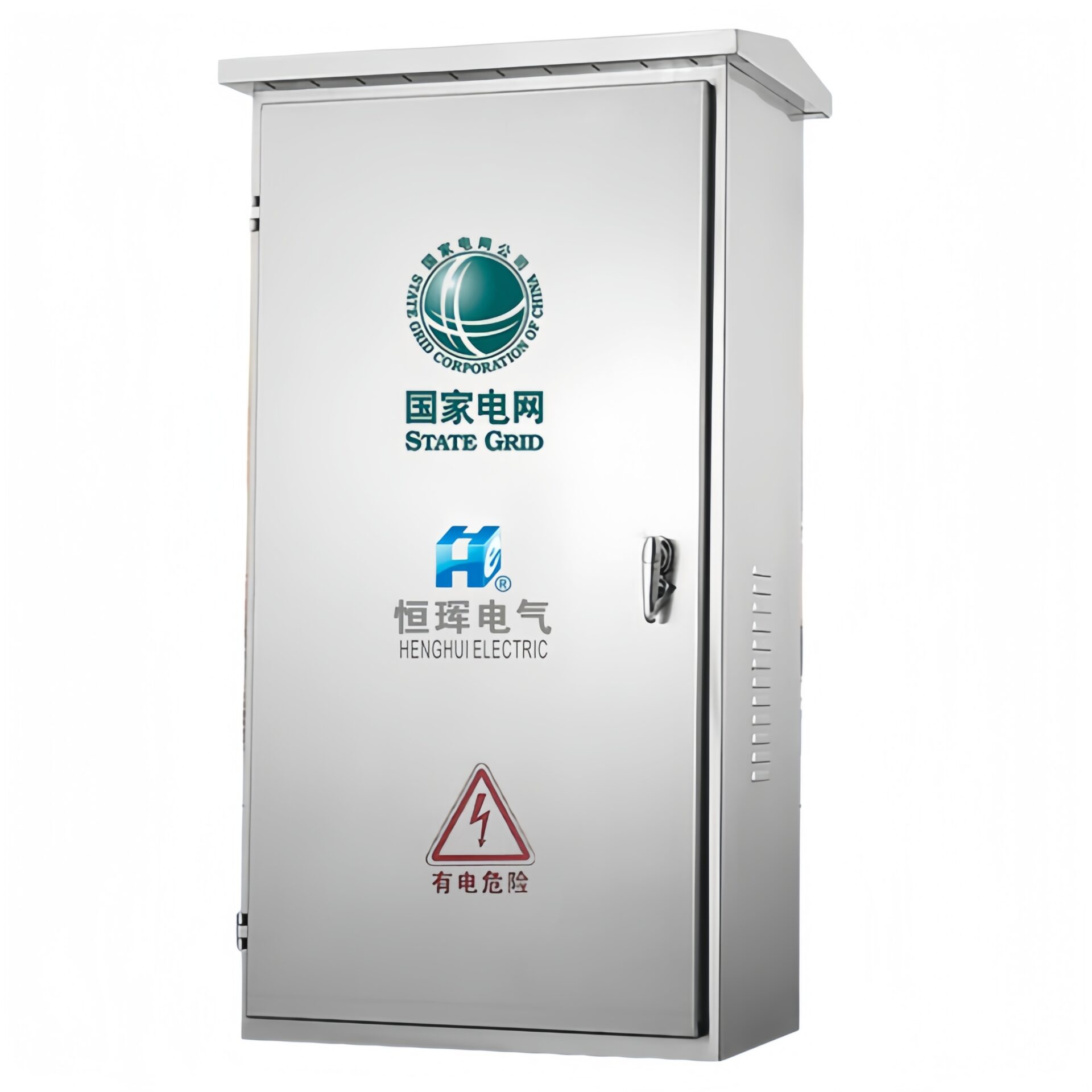
A Cable Branch Box is an indoor or outdoor electrical enclosure used in power distribution systems to split, connect, or transfer underground or overhead electrical cables into multiple branch circuits. It provides a protected space for cable connections, improves wiring organization, and helps distribute electrical power safely and efficiently.
The right design can make installation easier, improve reliability, and reduce maintenance costs over the entire service life.
What Is a Cable Branch Box?
A Cable Branch Box is a specialized enclosure used to organize and distribute electrical cables at a branching point in a power distribution network. Instead of routing every cable directly from a main power source to individual loads, the box creates a protected connection point where one incoming cable can be connected to several outgoing branch cables.
In practical applications, a Cable Branch Box may be installed in commercial buildings, industrial facilities, residential developments, infrastructure projects, utility networks, and renewable energy systems. It is especially useful where multiple loads need to receive power from one distribution route.
The basic construction normally includes an enclosure, cable entry and exit points, busbars or terminals, insulating components, grounding arrangements, and protection against environmental conditions. Depending on the application, the enclosure may be manufactured from steel, stainless steel, aluminum, fiberglass, or other engineering materials.
One important reason buyers choose a cable distribution solution is installation flexibility. A properly engineered Cable Distribution Box can accommodate different cable sizes, branch quantities, connection methods, and installation environments. This makes the equipment suitable for both standard and customized projects.
The enclosure itself is more than a simple protective shell. It must provide sufficient mechanical strength while keeping moisture, dust, and other contaminants away from electrical connection points. In outdoor installations, resistance to rain, humidity, UV exposure, and temperature changes becomes particularly important.
Internal arrangement is equally important. A poorly designed box may technically complete the electrical connection but leave technicians with insufficient room for cable bending, tightening terminals, inspection, or replacement. A well-designed product should provide clear internal separation, adequate wiring space, and logical cable routing.
For purchasing managers, the definition of a product is therefore only the starting point. The more important question is whether the Cable Branch Box can maintain safe electrical connections, environmental protection, installation convenience, and long-term reliability under actual operating conditions.
This is why buyers should evaluate not only the product name but also the enclosure design, material quality, connection technology, protection level, applicable standards, customization capability, and manufacturing experience of the supplier.
A professional Cable Branch Box factory can typically provide different configurations according to project requirements, including cable size, number of outgoing circuits, enclosure dimensions, protection class, mounting method, and internal components. This flexibility is particularly valuable for engineering contractors and electrical distributors handling different projects.
What Is the Purpose of a Cable Branch Box?
The primary purpose of a Cable Branch Box is to split, connect, and distribute electrical power safely from one cable route to multiple outgoing circuits. It creates a centralized connection point that simplifies network design while protecting electrical joints from environmental and mechanical hazards.
In a conventional power distribution system, cables often need to branch at different locations. Without a dedicated enclosure, multiple connections may become difficult to organize and protect. A Cable Branch Box provides a controlled environment for these connections, making the distribution network cleaner and easier to manage.
One major purpose is power distribution. An incoming feeder can be connected to multiple outgoing cables, allowing electricity to reach different buildings, equipment, lighting systems, or local distribution panels. This reduces the need for unnecessarily long individual cable runs and can make the overall network more structured.
Another important purpose is electrical protection. Cable joints and terminals are sensitive points within a distribution system. They need protection from water, dust, accidental contact, mechanical impact, and other external factors. A properly designed enclosure helps maintain the integrity of these connections.
A Cable Branch Box also improves installation efficiency. During construction, technicians can establish cable connections at defined access points instead of creating complicated junction arrangements in the field. This can reduce installation time and make commissioning more straightforward.
Maintenance is another major consideration. When a distribution system has organized and accessible connection points, technicians can inspect terminals, check cable conditions, and perform repairs more efficiently. This is particularly valuable in industrial and commercial facilities where downtime can directly affect operating costs.
The box also supports network expansion and flexibility. Electrical systems may need additional branches as facilities grow. A properly selected box can provide space or configuration options for future circuits, reducing the need for extensive modification of the existing distribution system.
For outdoor applications, environmental protection becomes even more critical. Water ingress and condensation can cause insulation deterioration, corrosion, leakage current, short circuits, and connection failure. Therefore, the sealing structure of a Cable Branch Box is directly related to system reliability.
A high-quality unit can also contribute to better fault management. When cables are arranged clearly and connections are properly labeled, technicians can identify the affected circuit more quickly. This can reduce troubleshooting time and support faster restoration of power.
From a purchasing perspective, the purpose of a Cable Branch Box goes beyond simply making a branch connection. Buyers should consider whether the product helps achieve several goals at once:
Reliable power distribution, environmental protection, installation efficiency, maintenance accessibility, and long-term operational safety.
The ideal solution depends on the project. An indoor commercial installation may prioritize compact dimensions and easy access, while an outdoor utility project may place greater emphasis on weather resistance, sealing performance, and mechanical protection.
For this reason, a professional Cable Branch Box manufacturer should be able to recommend an appropriate configuration based on operating voltage, current, cable dimensions, installation location, branch quantity, environmental conditions, and maintenance requirements rather than offering a one-size-fits-all product.
What Are the Key Features and Functions of a Cable Branch Box?
The key features of a Cable Branch Box determine its actual performance in the field. For buyers, these features are often more important than appearance because they directly affect safety, reliability, installation time, service life, and maintenance cost.
1. Reliable Sealing and Environmental Protection
One of the most important features is effective sealing. Outdoor cable connections can be exposed to rain, humidity, dust, condensation, and temperature fluctuations. If the enclosure or cable entry points are not properly sealed, moisture may enter and accumulate around electrical connections.
A high-quality product should use a reliable enclosure structure, suitable gaskets or sealing components, and properly designed cable entry systems. Depending on the application, the required IP protection level should be selected according to the actual installation environment.
Good sealing does more than keep rain out. It also helps reduce contamination, corrosion, insulation deterioration, and maintenance frequency.
2. Adequate Internal Wiring Space
A common field problem is insufficient internal space. When too many cables are packed into a small enclosure, installation becomes difficult and cable bending can be restricted.
A professional Cable Distribution Box should provide sufficient working space for cable routing, terminal connection, inspection, and maintenance. Internal layout should allow technicians to access connection points without unnecessarily removing other cables.
This becomes especially important for systems involving larger power cables, multiple branch circuits, or customized connection arrangements.
3. High-Quality Electrical Connections
Electrical connections are critical to the performance of the entire system. Loose, poorly manufactured, or unsuitable terminals can increase contact resistance and generate excessive heat.
Depending on the design, the Cable Branch Box may use busbars, terminals, connectors, or other connection systems. Components should be correctly rated for the system voltage and current.
A reliable manufacturer should control conductor processing, terminal assembly, insulation distance, tightening requirements, and quality inspection during production.
4. Strong and Durable Enclosure Materials
The enclosure material affects mechanical strength, corrosion resistance, service life, and overall protection.
For indoor applications, painted steel or other suitable materials may be sufficient. Outdoor or harsh environments may require stainless steel, aluminum, fiberglass, or other corrosion-resistant materials.
Buyers should also pay attention to coating quality, material thickness, impact resistance, and resistance to environmental exposure rather than judging quality only by external appearance.
5. Easy Installation and Maintenance
A well-designed Cable Branch Box should save labor rather than create additional work. Practical features may include accessible cable entry points, removable panels, clear terminal identification, mounting brackets, and an internal structure that allows technicians to work efficiently.
Maintenance-friendly design can significantly reduce downtime, particularly in industrial and infrastructure applications where every maintenance hour may have an operational cost.
6. Safe Insulation and Electrical Separation
The product should provide suitable insulation between conductive components and between conductors and the enclosure. Proper electrical clearance and insulation arrangements help reduce the risk of short circuits, leakage, and accidental contact.
Internal components should be selected according to the system’s electrical parameters and environmental conditions.
7. Flexible Branch Configuration
Different projects have different cable quantities and distribution requirements. A good Cable Branch Box should support flexible configurations, such as different numbers of outgoing circuits, cable sizes, connection arrangements, and enclosure dimensions.
This is particularly valuable for EPC contractors, distributors, system integrators, and project purchasers who often need customized Cable Branch Box solutions.
8. Grounding and Safety Design
For metal enclosures, grounding arrangements are essential. The enclosure should be properly connected to the protective grounding system according to the applicable electrical design.
Grounding helps reduce the risk associated with insulation failure and accidental contact with energized parts. A professional design should make grounding connections practical, reliable, and easy to inspect.
9. Clear Cable Identification
When multiple circuits are installed in one enclosure, identification becomes important for operation and troubleshooting. Clear cable labels, terminal markings, circuit identification, and logical wiring arrangements can help technicians locate the correct branch quickly.
This is especially useful when emergency maintenance is required.
10. Quality Control from the Cable Branch Box Factory
Even a well-designed product can perform poorly if manufacturing quality is inconsistent. This is why selecting the right Cable Branch Box factory is just as important as choosing the technical specification.
A reliable factory should have controlled production processes covering enclosure fabrication, welding or forming, surface treatment, assembly, wiring, inspection, and final testing.
Buyers should also evaluate whether the manufacturer can provide technical drawings, customized dimensions, electrical specifications, inspection documentation, and project support.
A capable Cable Branch Box manufacturer should understand that different customers have different priorities. Some buyers may focus on cost and delivery time, while others may prioritize environmental protection, customized structure, long service life, or compatibility with existing cable systems.
The best supplier is not simply the one offering the lowest initial price. The better choice is usually the manufacturer that can provide a reliable balance of product quality, technical support, customization, production capacity, and total lifecycle value.
A Cable Branch Box is a critical connection point in modern power distribution, helping organize, protect, and distribute electrical cables. By choosing reliable sealing, durable materials, adequate internal space, safe connections, and a qualified Cable Branch Box manufacturer, buyers can achieve safer operation, easier maintenance, and better long-term value.
 Français
  English (UK)
  Bahasa Indonesia
  Tiếng Việt
  Deutsch
  Español
  Português
  Русский