
How Can You Choose a CMC Bus Duct That Reduces Installation Risk and Long-Term Maintenance Costs?
Electrical power distribution projects often face problems that are easy to overlook: joints may overheat or become damp, busway sections cannot be easily cut or modified on site, hidden faults are difficult to detect, and emergency repairs can be complicated. These issues increase installation and maintenance demands while limiting environmental adaptability and retrofit flexibility. If not properly addressed, they can lead to overheating, insulation failure, unexpected downtime, and higher lifecycle costs. CMC bus duct offers a compact, high-capacity alternative designed for reliable power distribution. Keep reading to understand its applications, advantages, and why it can be a practical choice for your project.
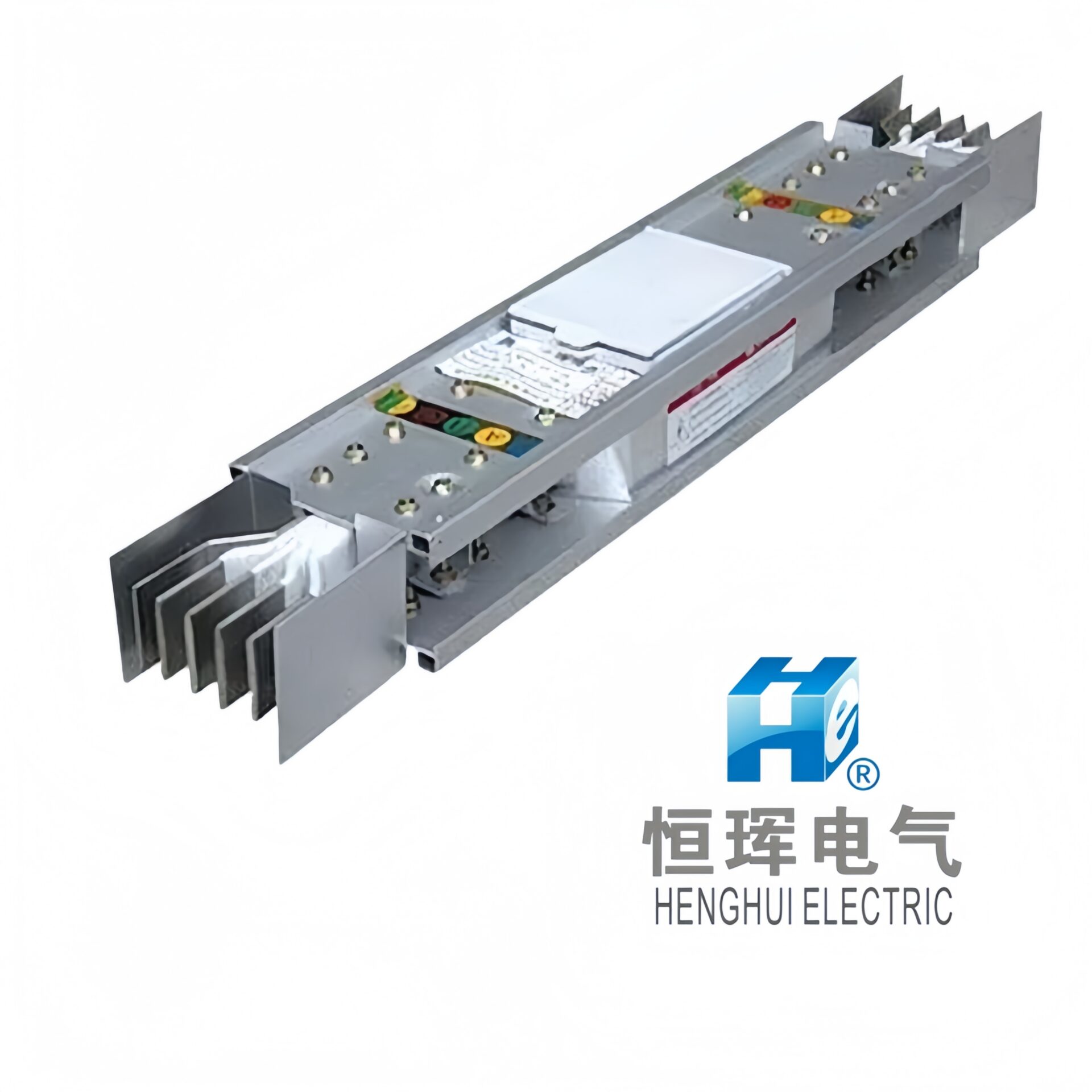
A CMC bus duct (compact or intensive insulation plug busway) is a space-saving, high-capacity electrical trunking system used to distribute power safely in large buildings and industrial plants. It uses compact conductors and insulation to provide efficient power transmission while reducing installation space compared with conventional cable systems.
Before choosing a busway manufacturer, it is important to understand where CMC Busway performs best and what makes it different.
Table of Contents
ToggleWhat Is the Purpose of a Bus Duct in Modern Power Distribution?
A bus duct, also known as a busway, is designed to transmit and distribute electrical power through a protected, organized enclosure containing conductive busbars. Instead of installing multiple individual cables from a main distribution point to different loads, engineers can use a bus duct system to create a structured power distribution route.
The primary purpose is to provide high-capacity electrical power transmission with efficient use of space. CMC bus duct systems are particularly suitable when a project requires large amounts of current to be distributed across relatively short or medium distances.
A typical system may include:
- Conductive busbars
- Insulation materials
- Protective enclosure
- Joint connections
- Plug-in or tap-off units
- End-feed or center-feed components
- Mounting and support accessories
One major advantage is the ability to create a modular distribution network. Depending on the system design, electrical loads can be connected at designated points without installing a completely separate cable route for every load.
This makes CMC Busway attractive for buildings and facilities where electrical demand is distributed across multiple floors, production lines, machines, or equipment zones.
For example, in a factory, a busway can run along a production area while multiple machines connect through suitable tap-off units. In a commercial building, a vertical busway can distribute electricity between floors.
For purchasers, this means the bus duct is not simply a conductor. It is a complete power distribution solution designed around capacity, safety, installation efficiency, and future expansion.
What Are the Common Applications for CMC Bus Duct?
CMC bus duct is commonly used in large commercial buildings, industrial facilities, data centers, infrastructure projects, and power distribution systems where high electrical capacity and organized installation are important.
Industrial Plants
Factories often have multiple high-power machines located along production lines. Running individual power cables to every machine can create complicated cable routing and consume considerable installation space.
A CMC Busway can provide a centralized power distribution route. Equipment can then be connected at appropriate points along the busway.
This approach is particularly useful when production equipment is regularly rearranged or when the facility may need future capacity expansion.
Commercial Buildings
Large office buildings, shopping centers, hospitals, and other commercial facilities require reliable electrical distribution across multiple areas and floors.
Busway systems can provide organized vertical and horizontal power distribution while helping reduce the space required for conventional cable systems.
Data Centers
Data centers have high power density and strict requirements for reliability. Space efficiency, load flexibility, and reliable distribution are therefore important considerations.
A properly designed CMC Busway can be integrated into a data center’s power architecture to distribute electricity to equipment areas while maintaining an organized installation.
Power Distribution and Infrastructure Projects
Bus duct can also be used between transformers, switchgear, distribution panels, and major electrical loads where high-current power transmission is required.
For projects involving substantial current levels, a busway may provide a cleaner and more structured alternative to multiple parallel cable runs.
Retrofit and Expansion Projects
Existing facilities frequently need additional electrical capacity. CMC Busway can be considered when engineers need to reorganize power distribution within an existing building or industrial area.
However, purchasers should pay close attention to system configuration, dimensions, joint design, environmental conditions, and installation requirements before selecting a product.
A reliable Busway manufacturer should be able to provide technical drawings, current ratings, connection details, installation guidance, and customization support according to the project.
What Are the Main Advantages of CMC Bus Duct?
The popularity of CMC bus duct comes from its combination of high current capacity, compact construction, modularity, and organized installation.
1. Space-Saving Design
One of the most obvious advantages is its compact structure.
Multiple cables require individual conductors, insulation, spacing, supports, and routing arrangements. As current capacity increases, cable systems can become increasingly bulky.
CMC Busway integrates conductors into a structured enclosure, allowing high-capacity power distribution within a relatively compact footprint.
This can be especially valuable in electrical rooms, shafts, factories, and high-density installations where available space is limited.
2. High Power Distribution Capacity
Bus duct systems are designed for applications requiring substantial electrical current.
Instead of managing numerous parallel cables, a busway provides a centralized path for power transmission. This can simplify the overall electrical distribution architecture.
3. Cleaner Installation
A properly installed busway creates a more organized power distribution route.
Compared with large bundles of cables, the structured design can make the electrical installation easier to identify and maintain.
This is particularly important in large industrial projects where dozens or hundreds of loads may be distributed throughout the facility.
4. Modular Distribution
Many busway systems use standardized sections and connection components.
This modular approach can make system planning more systematic and can support future distribution changes when the product and project design allow for them.
5. Reduced Cable Management
Large cable installations require extensive cable trays, brackets, supports, separation, bending-radius management, and termination work.
A busway can reduce the amount of conventional cable management required along the main distribution route.
6. Better Space Utilization
Because of the compact design, busway can help engineers optimize electrical installation space.
This does not mean every project should automatically replace cables with busway. Load requirements, installation environment, distance, budget, and maintenance strategy must all be considered.
For purchasers, the key is to select a CMC Busway that matches the actual electrical and environmental requirements rather than focusing only on the initial purchase price.
Why Is a CMC Busway Used Instead of Cable?
The decision between busway and cable depends heavily on project requirements. However, CMC Busway becomes attractive when a project needs high current capacity, compact routing, modular distribution, and organized installation.
A conventional cable system may require multiple cables in parallel to carry high current. As capacity increases, the installation may become physically larger and more difficult to manage.
For example, a high-current industrial installation may require numerous cable runs between a transformer and distribution equipment. Engineers must consider cable spacing, heat dissipation, bending radius, support systems, termination, and cable tray capacity.
Busway takes a different approach by integrating conductors into a factory-engineered system.
Installation Efficiency
Busway sections are manufactured according to specified dimensions and electrical requirements. This can make installation more systematic than handling many individual high-current cables.
Space Efficiency
A compact busway route can occupy less space than an equivalent arrangement of multiple large cables, depending on the system configuration.
Maintenance and Expansion
A modular busway system may provide easier access to designated connection points and can support changes in distribution layouts when compatible components are available.
However, one important consideration is that CMC Busway is not infinitely flexible on site. Unlike cables, which can often be cut and terminated according to field conditions, busway generally depends on predetermined lengths and components.
Therefore, accurate project measurement and professional engineering are essential.
This is particularly relevant to the pain points mentioned earlier. If dimensions are incorrect, field modification can be difficult. If joint installation is poor, connection problems can occur.
That is why purchasing from an experienced Busway manufacturer is important. The supplier should support technical confirmation before production, helping ensure that dimensions, current rating, joint configuration, enclosure requirements, and installation conditions are correctly matched to the project.
What Is the Difference Between Bus Duct and Busbar?
The terms bus duct et busbar are closely related, but they do not describe exactly the same thing.
A busbar is primarily a conductive metal bar used to carry and distribute electrical current. It can be made from materials such as copper or aluminum and can be installed inside electrical equipment, switchboards, panels, transformers, or busway systems.
A bus duct, on the other hand, is a complete enclosed power distribution system that contains busbars together with insulation, enclosure components, joints, supports, and other accessories.
In simple terms:
Busbar = the conductive component.
Bus duct/busway = the complete enclosed distribution system containing the conductors.
This distinction is important when purchasing electrical equipment.
For example, a copper busbar inside a switchgear cabinet is not normally considered a complete busway system. A CMC Busway includes the conductive elements plus the protective and mechanical structure required to distribute power along a designated route.
Why Does the Enclosure Matter?
The enclosure provides mechanical protection and contributes to the overall safety and environmental performance of the system.
A complete busway must therefore be evaluated based on more than conductor material and current rating.
Purchasers should also consider:
- Insulation system
- Enclosure material
- Joint construction
- Protection rating
- Temperature-rise performance
- Short-circuit withstand capability
- Installation environment
- Mechanical strength
- Connection accessories
This is why selecting a complete CMC Busway system from a qualified supplier can be more practical than treating the busbar itself as the entire solution.
How Can Buyers Reduce CMC Bus Duct Installation and Maintenance Risks?
Although CMC Busway offers many advantages, product selection and installation quality directly affect long-term performance.
The first consideration should be electrical compatibility. The rated current, voltage, frequency, short-circuit withstand capability, and load characteristics should match the project requirements.
The second consideration is environmental suitability.
If the busway will operate in a humid, dusty, corrosive, outdoor, or high-temperature environment, the enclosure and insulation system should be selected accordingly.
Joint design deserves particular attention. Since joints are critical connection points, poor installation, improper tightening, contamination, or moisture ingress can potentially create abnormal heating and reliability problems.
Purchasers should therefore ask the manufacturer about:
Joint structure → Insulation performance → Protection level → Temperature rise → Installation procedure → Testing and quality control
The installation plan should also be prepared before delivery. Accurate measurements are essential because busway sections generally cannot be modified as easily as cables after arriving at the site.
A professional Busway manufacturer can help reduce these risks through engineering drawings, dimensional confirmation, technical documentation, quality inspection, and installation guidance.
For larger projects, buyers should also evaluate whether the supplier can provide OEM/ODM customization, project-specific engineering support, complete accessories, and after-sales technical assistance.
The lowest purchase price is not always the lowest total cost. A better purchasing decision considers installation labor, maintenance requirements, downtime risk, replacement costs, and expected service life.
How Should You Choose the Right CMC Busway Manufacturer?
Choosing the right supplier is just as important as choosing the busway specification.
A reliable Busway manufacturer should demonstrate strong control over design, material selection, manufacturing, testing, and quality inspection.
Before placing an order, buyers should evaluate several factors.
Technical Capability
The manufacturer should understand high-current power distribution and provide appropriate technical solutions for the application.
Manufacturing Quality
Production processes should be standardized, with appropriate inspection procedures for conductors, insulation, joints, enclosures, and finished assemblies.
Customization Capability
Different projects may require different lengths, connection arrangements, tap-off positions, enclosure configurations, and installation accessories.
A manufacturer capable of producing project-specific configurations can reduce compatibility problems during installation.
Documentation
Professional suppliers should be able to provide relevant technical drawings, specifications, installation instructions, test information, and product documentation.
Project Experience
Experience with industrial plants, commercial buildings, data centers, infrastructure, and other large-scale projects can be valuable when dealing with complex power distribution requirements.
After-Sales Support
Because busway installation depends heavily on correct assembly and connection, responsive technical support can help solve problems more efficiently during commissioning and operation.
Ultimately, buyers should look beyond the product itself and evaluate the complete supply capability of the manufacturer.
CMC Bus Duct vs. Traditional Cable: Which Is Better for Your Project?
There is no universal answer because both solutions have appropriate applications.
CMC Busway is generally more attractive for high-current, space-constrained, structured distribution systems, particularly where multiple loads need to be supplied from a common distribution route.
Cable can remain advantageous where routing is irregular, distances are relatively short, field flexibility is important, or project requirements do not justify a busway system.
The choice should therefore consider:
| Factor | CMC Bus Duct | Traditional Cable |
|---|---|---|
| Space efficiency | High | Moderate to low for large cable quantities |
| High-current distribution | Excellent | Possible with parallel cables |
| Installation structure | Highly organized | More flexible |
| Field modification | Limited | More flexible |
| Load expansion | Convenient in suitable systems | Requires additional cable work |
| Cable management | Lower requirement | Higher requirement |
| Project planning | Requires accurate dimensions | More tolerant of field changes |
| Best application | High-density distribution | Flexible/general routing |
The most suitable solution depends on the project’s electrical design rather than simply choosing the technology with the most advantages.
For large-scale projects, a properly engineered CMC Busway can offer an excellent balance between capacity, space utilization, installation efficiency, and long-term operation.
Conclusion
CMC bus duct provides a compact and structured approach to high-capacity power distribution. With the right design, manufacturer, and installation, CMC Busway can reduce space requirements, simplify distribution, and support demanding industrial and commercial applications. For buyers, accurate specifications and a reliable Busway manufacturer are essential for long-term performance.
 Français
  English (UK)
  Bahasa Indonesia
  Tiếng Việt
  Deutsch
  Español
  Português
  Русский