
Why Is a Landscape Type Underground Box Substation Becoming the Preferred Choice for Modern Urban Power Distribution?
Urban development is placing increasing pressure on power infrastructure. Traditional substations often occupy valuable land, affect city aesthetics, and create challenges in densely populated areas. Meanwhile, deep-buried substations can suffer from water accumulation, moisture intrusion, difficult maintenance access, and complex lifting operations, while their civil engineering and installation costs are often higher. These issues may lead to equipment failures, increased downtime, and rising operational expenses. A Landscape Type Underground Box Substation addresses these concerns by combining efficient power distribution with environmental integration, offering a safer, more attractive, and space-saving solution. Continue reading to discover why this innovation is transforming modern cities.
Table of Contents
ToggleWhat is a Landscape Type Underground Box Substation?
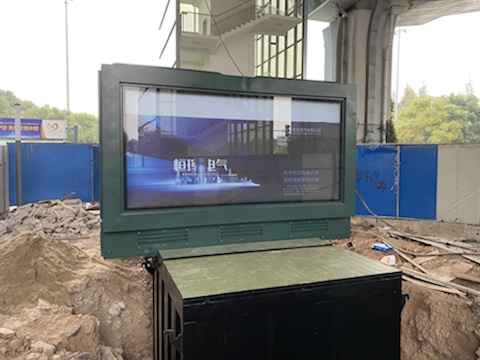
A Landscape Type Underground Box Substation is a type of substation that integrates power equipment, such as transformers, switchgear, and distribution systems, into underground or semi-underground enclosures while blending with the surrounding environment through landscape elements like greenery, paving, decorative structures, or public spaces. This design minimizes visual impact, saves valuable land resources, enhances urban aesthetics, and provides reliable power distribution for residential, commercial, industrial, and municipal applications. It combines the functionality of a traditional Box Substation with modern urban planning requirements.
Interested in how this innovative solution improves urban power infrastructure? Let’s explore its key benefits, features, applications, and development purpose.
What Are the Advantages and Disadvantages of Landscape Underground Substation?
A landscape underground substation offers several compelling advantages that make it increasingly popular in modern urban environments. The most obvious benefit is its ability to save surface space. By locating major electrical equipment underground, cities can utilize above-ground areas for parks, roads, plazas, commercial developments, or public facilities. This is particularly valuable in metropolitan regions where land costs are extremely high.
Another major advantage is aesthetic improvement. Traditional substations often require visible fences, transformers, and electrical structures that may conflict with urban landscape planning. A Landscape Underground Box Substation hides most electrical equipment underground while allowing the surface area to blend naturally with surrounding architecture and landscaping. This helps preserve city beauty and enhances property values.
From an environmental perspective, underground installations reduce visual pollution and can lower noise levels through natural soil insulation. Modern systems often incorporate advanced transformers, medium-voltage switchgear, and low-voltage distribution equipment with high safety standards. Many made in China manufacturers now provide customized solutions that meet international standards while maintaining competitive costs.
However, there are also disadvantages. Compared with conventional ground-mounted substations, underground systems typically require more complex civil construction. Waterproofing, drainage systems, ventilation equipment, and underground chambers increase initial investment costs. Maintenance access may also be more challenging because technicians must enter underground compartments for inspections and repairs.
Furthermore, deep-buried installations can face risks associated with groundwater infiltration if drainage and sealing systems are not properly designed. Equipment replacement and lifting operations can require specialized machinery and planning. Therefore, proper engineering design and quality manufacturing are essential to maximize the long-term benefits of a Buried Prefabricated Substation.
Despite these limitations, many cities conclude that the long-term advantages of land conservation, aesthetics, and urban integration outweigh the higher upfront investment.
What Are the Features of Landscape Underground Substation?
The defining characteristic of a Landscape Type Underground Box Substation is the combination of electrical reliability and environmental harmony. Unlike traditional substations, these systems are specifically engineered to become nearly invisible while maintaining full operational functionality.
One key feature is the compact integrated design. The substation typically combines medium-voltage switchgear, transformers, low-voltage distribution cabinets, monitoring systems, and protection devices within a prefabricated underground structure. Advanced Box Substation technology allows all components to be factory-assembled and tested before delivery, reducing on-site construction time and improving quality control.
Another important feature is advanced waterproofing and drainage protection. Since electrical equipment operates below ground level, manufacturers design multi-layer waterproof barriers, drainage channels, water pumps, and moisture-resistant enclosures to protect critical equipment. Proper drainage engineering significantly reduces the risk of flooding and moisture-related failures.
Safety is also a major consideration. Modern landscape underground substations incorporate intelligent monitoring systems that continuously track temperature, humidity, voltage, current, and equipment status. Remote monitoring enables operators to identify issues quickly and perform preventive maintenance before failures occur.
Ventilation systems represent another critical feature. Underground electrical equipment generates heat during operation, making effective airflow management essential. Many systems use natural ventilation, forced ventilation, or hybrid cooling methods to maintain stable operating temperatures and extend equipment lifespan.
The landscape integration component is perhaps the most visible feature. The ground-level design can incorporate grass, flower beds, decorative paving, sculptures, seating areas, or architectural elements that blend seamlessly with public spaces. Instead of appearing as industrial infrastructure, the substation becomes part of the urban environment.
Many made in China manufacturers also provide customized configurations using oil-immersed transformers, dry-type transformers, medium-voltage switchgear, and intelligent distribution equipment based on project requirements. These customizable solutions allow cities and developers to optimize both performance and appearance.
The Application Scenario of Landscape Underground Substation
The versatility of a landscape underground substation makes it suitable for a wide range of applications where space efficiency and visual appearance are important considerations.
One of the most common applications is urban residential communities. Modern housing developments increasingly prioritize green spaces and attractive surroundings. Installing a traditional substation can reduce available recreational areas and negatively affect project aesthetics. A Landscape Underground Box Substation allows developers to maintain attractive landscaping while ensuring reliable power supply for residents.
Commercial districts and central business areas also benefit significantly from underground substations. High land values and strict urban planning regulations make efficient space utilization critical. By placing electrical infrastructure underground, developers can maximize rentable space while maintaining premium property appearances.
Municipal infrastructure projects frequently utilize Buried Prefabricated Substation solutions. Public squares, parks, pedestrian streets, transportation hubs, and waterfront developments often require substantial electrical capacity without compromising visual appeal. Underground substations support these goals by concealing power equipment beneath landscaped surfaces.
Tourist attractions and historic districts represent another important application area. Preserving cultural heritage and scenic views is essential in these locations. Traditional substations may conflict with preservation objectives, whereas underground installations can provide necessary electrical services with minimal visual impact.
Educational campuses, hospitals, sports complexes, exhibition centers, and cultural facilities also frequently adopt landscape underground substations. These facilities often require dependable power systems while maintaining attractive environments for visitors, students, patients, and staff.
Industrial parks and smart city developments are increasingly incorporating underground substations as part of integrated infrastructure planning. Advanced monitoring capabilities support intelligent grid management and enhance operational efficiency.
With ongoing urbanization worldwide, the demand for aesthetically integrated power distribution solutions continues to grow. As a result, made in China Landscape Underground Box Substation manufacturers are expanding their offerings to support diverse global project requirements.
Why Should We Invent This Landscape Underground Substation?
The invention of the Landscape Type Underground Box Substation is closely tied to the evolution of modern cities. Traditional power distribution infrastructure was primarily designed for functionality. However, as urban populations increased and land resources became more limited, city planners began seeking solutions that could satisfy both technical and environmental objectives.
One major reason for developing this technology was land conservation. In densely populated cities, every square meter of land has significant economic value. Conventional substations occupy surface space that could otherwise be used for residential buildings, commercial facilities, transportation infrastructure, or public amenities. Underground substations allow cities to maximize land utilization without compromising power reliability.
Another driving factor was urban aesthetics. Modern citizens increasingly expect attractive public spaces and well-designed communities. Large visible substations can conflict with architectural styles, landscape planning, and property development goals. The landscape underground substation provides a way to hide essential electrical infrastructure while maintaining visual harmony.
Environmental considerations also played a significant role. Underground installations reduce visual pollution and can improve noise control compared with conventional facilities. In many cases, integrating green spaces above substations contributes to sustainable urban development strategies.
Technological advancements have further enabled the widespread adoption of underground substations. Improvements in waterproofing materials, intelligent monitoring systems, compact transformers, medium-voltage switchgear, and prefabricated construction techniques have made these solutions more practical and reliable than ever before.
Safety and operational efficiency have also improved considerably. Modern substations can incorporate remote monitoring, automated alarms, predictive maintenance technologies, and advanced protection systems. These features help operators maintain stable power supply while minimizing downtime and maintenance costs.
Ultimately, the invention of the Buried Prefabricated Substation reflects the growing need to balance infrastructure development with environmental quality, urban aesthetics, and efficient land utilization. It represents a practical solution for the challenges faced by rapidly developing cities worldwide.
Conclusion
Landscape Type Underground Box Substations combine reliable power distribution, efficient land utilization, and superior urban aesthetics. Although they require higher initial investment and careful engineering design, their long-term benefits make them an increasingly attractive choice for modern cities, commercial developments, public infrastructure projects, and sustainable urban planning initiatives worldwide.
 Español
  English (UK)
  Bahasa Indonesia
  Tiếng Việt
  Deutsch
  Français
  Português
  Русский