
How Can a SMART PV COMBINER BOX Improve Solar System Reliability and Reduce Maintenance Costs?
Traditional photovoltaic systems often face challenges such as difficult branch fault identification, complex wiring structures, lack of remote monitoring, and high operation and maintenance costs. These issues can reduce power generation efficiency and affect long-term solar plant reliability. A SMART PV COMBINER BOX provides an intelligent solution by integrating monitoring, protection, and communication functions, helping operators detect problems earlier, optimize system performance, and improve the safety of photovoltaic installations.
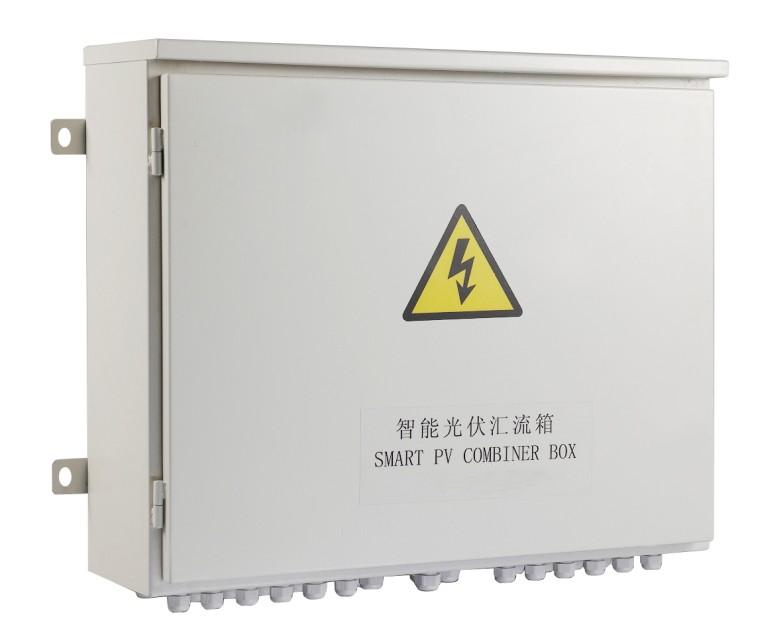
A Smart PV Combiner Box is an advanced solar enclosure that combines direct current (DC) from multiple solar strings into a single output. Unlike traditional combiner boxes, it integrates monitoring systems, surge protection, and communication modules to track string current, voltage, and temperature in real time. A SMART PV COMBINER BOX simplifies wiring, reduces installation and maintenance costs, detects faults early, and improves the efficiency, safety, and reliability of solar power systems.
Discover how smart technology is transforming photovoltaic power management.
Table of Contents
ToggleWhat are the Core Functions & Features of a PV COMBINER BOX?
A PV COMBINER BOX is a critical component in photovoltaic power generation systems. Its primary function is to collect the DC output from multiple solar strings and combine them into one or several main DC outputs before connecting to inverters or other power conversion equipment. However, modern solar projects require more than simple current collection. A SMART PV COMBINER BOX manufacturer focuses on integrating intelligent monitoring, protection, and communication technologies to meet the demands of large-scale solar installations.
One of the most important functions of a smart combiner box is string-level monitoring. Traditional photovoltaic systems often require manual inspection when power output decreases, making it difficult to identify which string has a problem. Smart combiner boxes use sensors and monitoring modules to measure parameters such as string current, voltage, temperature, and operating status. Through remote communication systems, operators can quickly locate abnormal strings and reduce troubleshooting time.
Another essential feature is DC circuit protection. A high-quality PV COMBINER BOX normally includes DC fuses, circuit breakers, and surge protection devices to protect photovoltaic modules and inverters from overcurrent, short circuits, and lightning-induced voltage surges. Similar to other intelligent power distribution equipment, reliable protection design is essential for ensuring continuous operation under different environmental conditions.
The enclosure design is also a key factor. A professional SMART PV COMBINER BOX factory usually applies weather-resistant materials and optimized internal layouts to ensure stable operation in outdoor environments. The box can be designed with strong protection against dust, moisture, temperature changes, and harsh climates, allowing installation in different photovoltaic project locations.
In addition, intelligent communication capability is becoming a standard requirement. Modern smart combiner boxes can connect with energy management platforms through RS485, Ethernet, wireless communication, or other industrial communication methods. This allows centralized monitoring, remote diagnosis, and data analysis, supporting the development of smarter and more efficient solar power plants.
For photovoltaic project developers looking for a reliable PV COMBINER BOX supplier, choosing a manufacturer with strong technical capability and customized production experience is important. A professional supplier can provide solutions based on system voltage levels, project scale, installation environment, and monitoring requirements.
What are the Benefits of PV COMBINER BOX in Solar Installations?
The application of a PV COMBINER BOX brings significant advantages to photovoltaic installations, especially for commercial solar farms, industrial rooftop projects, and large renewable energy systems. As solar plants become larger and more complex, efficient power collection and intelligent operation management have become essential requirements.
The first major benefit is improved operation reliability. In traditional solar systems, a single faulty string may remain unnoticed for a long time, causing continuous energy losses. With intelligent monitoring functions, a SMART PV COMBINER BOX can identify abnormal current or voltage conditions immediately. Operators can receive fault information remotely and take corrective actions before small problems develop into larger system failures.
The second advantage is reduced maintenance costs. Conventional photovoltaic systems require technicians to inspect multiple locations manually, which increases labor costs and extends troubleshooting periods. Smart combiner boxes provide real-time operating data, allowing maintenance teams to perform targeted inspections instead of general system checks. This improves maintenance efficiency and reduces unnecessary service expenses.
Another important benefit is optimized solar power generation efficiency. By continuously monitoring string performance, smart combiner boxes help identify performance differences between photovoltaic modules. Factors such as shading, aging components, loose connections, or environmental changes can reduce output. Early detection allows operators to restore system performance and maximize electricity production.
A professional Photovotaic COMBINER BOX seller can also provide customized solutions according to different photovoltaic project requirements. Large solar power plants may require advanced communication functions, higher protection levels, or integration with energy management systems. Smaller distributed solar projects may focus more on compact design and cost efficiency. Customization helps customers achieve the best balance between investment and performance.
Safety improvement is another major advantage. Photovoltaic systems operate with high DC voltage, and improper protection may create risks during operation and maintenance. A high-quality combiner box integrates safety components such as surge protection devices, disconnect switches, and monitoring systems to improve electrical safety.
Furthermore, smart combiner boxes support the trend toward digital energy management. By collecting operating data, they provide valuable information for performance analysis, predictive maintenance, and long-term system optimization. This makes them an important part of modern intelligent photovoltaic infrastructure.
For customers searching for a reliable SMART PV COMBINER BOX manufacturer, selecting a company with experience in intelligent electrical equipment production can ensure better product quality, technical support, and long-term service capability.
What is the Difference Between a Combiner Box and a Distribution Box?
Although both combiner boxes and distribution boxes are used in electrical systems, they serve different purposes. Understanding the difference is important when designing photovoltaic power generation systems and selecting suitable equipment.
A PV COMBINER BOX is mainly used on the DC side of photovoltaic systems. Its primary role is to collect electricity generated by multiple solar strings and combine these outputs into a larger DC circuit. Since photovoltaic modules generate direct current, the combiner box is installed before the inverter. It focuses on string collection, DC protection, current monitoring, and fault detection.
A distribution box, on the other hand, is generally used for power distribution after electrical conversion. In photovoltaic applications, it is commonly installed on the AC side after the inverter. Its main function is to distribute electricity, provide circuit protection, and manage outgoing power circuits. Unlike a combiner box, it does not normally collect multiple photovoltaic string inputs.
The internal components are also different. A smart PV combiner box typically contains DC fuses, DC circuit breakers, surge protection devices, monitoring sensors, and communication modules. These components are specifically designed for photovoltaic DC environments. A distribution box usually contains AC breakers, contactors, meters, and other low-voltage distribution components suitable for AC power systems.
Another difference is the monitoring capability. Modern SMART PV COMBINER BOX products emphasize intelligent data collection and remote monitoring because photovoltaic systems require detailed string-level analysis. Distribution boxes mainly focus on safe power distribution and circuit management rather than individual solar string monitoring.
From a system design perspective, both devices are complementary rather than interchangeable. A large photovoltaic project may require combiner boxes for DC collection and distribution boxes for AC power management. Selecting the correct equipment ensures better system safety, efficiency, and maintainability.
When purchasing from a PV COMBINER BOX supplier, customers should clearly understand their project requirements, including DC voltage level, number of strings, protection requirements, and communication standards. Choosing the right product configuration helps avoid unnecessary costs and ensures reliable long-term operation.
Do I Need a PV Combiner Box?
Whether a photovoltaic project requires a PV COMBINER BOX depends on the system size, design structure, and operational requirements. For small residential solar systems with only a few photovoltaic strings, a separate combiner box may not always be necessary. However, for commercial, industrial, and utility-scale solar installations, a combiner box is usually an essential component.
For large photovoltaic systems, multiple solar strings generate electricity simultaneously. Without a combiner box, connecting many individual DC cables directly to inverters can create complicated wiring, increase installation difficulty, and make maintenance more challenging. A PV combiner box simplifies cable management by organizing multiple inputs into a structured connection point.
A SMART PV COMBINER BOX provides additional value when projects require remote monitoring and intelligent management. Solar plant operators need accurate operating information to maintain high energy output. Smart monitoring allows them to understand system performance, identify abnormal conditions, and reduce downtime.
Projects installed in remote areas especially benefit from smart combiner boxes. When photovoltaic sites are far from maintenance teams, manual inspection becomes expensive and inefficient. Remote monitoring functions allow operators to manage equipment from centralized control rooms and respond quickly to faults.
For industrial and commercial solar projects, reliability and return on investment are major considerations. A professional SMART PV COMBINER BOX factory can provide customized solutions with different input numbers, protection levels, communication methods, and enclosure designs to match project requirements.
Customers should also consider future expansion. A properly designed combiner box system provides better scalability and easier integration when additional photovoltaic capacity is added. This makes it a practical investment for long-term solar development.
Working with an experienced Photovotaic COMBINER BOX seller or manufacturer helps customers select suitable products according to environmental conditions, electrical specifications, and project goals. The right combiner box can improve system safety, reduce maintenance workload, and support stable photovoltaic power generation.
A SMART PV COMBINER BOX is more than a DC collection device; it is an intelligent solution for improving solar system safety, efficiency, and reliability. With advanced monitoring, protection, and communication functions, it supports the future development of smarter photovoltaic energy systems.
 Deutsch
  English (UK)
  Bahasa Indonesia
  Tiếng Việt
  Español
  Français
  Português
  Русский