
How Can a Cable Branch Box Improve Power Distribution Safety and Reliability?
Power distribution failures often begin with hidden issues such as poor cable connections, insulation damage, or overheating inside branching systems. These problems can trigger unexpected outages, equipment damage, fire risks, and expensive maintenance interruptions for industrial plants and urban power networks. As electrical systems become more complex, traditional connection methods may no longer provide the reliability and protection modern infrastructure requires. A high-quality cable branch box offers a safer, insulated, and highly efficient solution for cable branching, helping improve operational stability and long-term power distribution performance.
Cable branch boxes are insulated, sealed, and shielded solutions for reliable cable branching in power systems. Suitable for various voltages, they enhance the safety and efficiency of urban and industrial cable networks. They are widely used in commercial buildings, substations, renewable energy projects, and underground cable systems. Modern cable branch box Cabinet designs also improve maintenance accessibility, environmental protection, and installation flexibility, making them an essential component in modern electrical infrastructure.
Understanding cable branch boxes and related cable systems helps businesses choose safer and more efficient power distribution solutions.
Table of Contents
ToggleWhat Is a Branch Box Used For?
A cable branch box is primarily used to distribute electrical power from a main cable line to multiple secondary cable routes safely and efficiently. It serves as a connection and branching point within medium-voltage and low-voltage electrical distribution systems. These boxes are widely installed in urban power grids, industrial facilities, commercial buildings, transportation systems, and renewable energy projects where reliable power distribution is essential.
One of the most important functions of a cable branch box is to protect cable connections from environmental influences such as moisture, dust, corrosion, and mechanical damage. Because electrical branching points are often vulnerable to insulation failure and overheating, a properly designed cable branch box Cabinet provides sealed insulation and enhanced safety protection. This significantly reduces the risk of electrical faults and improves the stability of the entire power network.
Modern cable branch box Manufacturers design products with compact structures, modular configurations, and easy installation features. Many systems support multiple branch outlets and different cable specifications, allowing flexible integration into complex electrical systems. Some advanced models also include intelligent monitoring functions that help operators detect overheating, current abnormalities, or insulation degradation before serious failures occur.
Another major advantage is maintenance efficiency. Compared with traditional cable splicing methods, cable branch boxes simplify inspection and replacement procedures. Technicians can access cable connections more easily, reducing downtime and operational costs. This is especially valuable for underground cable networks and industrial power systems where maintenance accessibility is often limited.
Today, many cable branch box suppliers provide customized solutions for different voltage levels, environmental conditions, and project requirements. Whether used in smart cities, substations, airports, or manufacturing plants, cable branch boxes play a critical role in ensuring stable, safe, and efficient electricity distribution.
What Is a Branch Cable?
A branch cable is an electrical cable designed to split power or signals from a primary cable into one or more secondary paths. It is commonly used in power distribution systems where electricity must be delivered to multiple destinations from a single source. Branch cables are widely found in residential buildings, commercial facilities, industrial plants, street lighting systems, and utility infrastructure.
The main purpose of a branch cable is to simplify cable routing and improve electrical distribution efficiency. Instead of running separate cables from the main power source to every endpoint, a branch cable system allows controlled distribution through branching points such as cable branch boxes. This approach reduces installation complexity, lowers material costs, and optimizes space utilization.
Branch cables are typically constructed with conductors, insulation layers, protective sheathing, and shielding materials. Depending on the application, they may be designed for low-voltage, medium-voltage, or high-voltage systems. The selection of branch cable materials and specifications depends on factors such as load capacity, environmental conditions, operating temperature, and safety requirements.
In modern infrastructure projects, branch cables are often combined with advanced cable branch box Cabinet systems to improve operational safety. The branch box provides secure insulation and mechanical protection at the connection point, while the branch cable ensures stable current transmission. Together, they create a more reliable power distribution network capable of handling demanding electrical loads.
High-quality cable branch box Manufacturers usually recommend compatible branch cable solutions to maximize system performance. Proper cable selection helps reduce power losses, minimize overheating risks, and extend equipment lifespan. Many cable branch box suppliers also provide technical guidance for cable sizing, installation methods, and environmental protection standards.
As urbanization and industrial automation continue to expand, branch cable systems have become increasingly important for supporting efficient and scalable electrical infrastructure. Their flexibility and reliability make them essential components in modern power engineering projects.
What Are the Parts of a Cable?
Electrical cables consist of several important components that work together to safely transmit electrical power or signals. Each part serves a specific function related to conductivity, insulation, protection, and durability. Understanding these cable components is essential for selecting the correct cable system and ensuring reliable electrical performance.
The first and most important part of a cable is the conductor. Conductors are usually made of copper or aluminum because these metals provide excellent electrical conductivity. The conductor carries electrical current from the power source to connected equipment or distribution systems. Copper conductors are widely preferred for their high efficiency and durability, while aluminum conductors are often selected for lightweight and cost-effective applications.
Surrounding the conductor is the insulation layer. This layer prevents electrical leakage and protects users and nearby equipment from electric shock. Common insulation materials include PVC, XLPE, and rubber compounds. The quality of insulation directly affects cable safety and resistance to heat, moisture, and chemical exposure.
Another critical component is the shielding layer. Shielding helps reduce electromagnetic interference and improves signal integrity, especially in industrial environments with high electrical noise. In medium-voltage and high-voltage systems, shielding also contributes to stable electric field distribution within the cable.
The protective sheath or outer jacket forms the external layer of the cable. It protects the internal components from mechanical damage, moisture, UV exposure, corrosion, and environmental hazards. Depending on the installation environment, cables may use flame-retardant, waterproof, or chemical-resistant sheath materials.
Some specialized cables also include armor layers for additional mechanical protection. Armored cables are commonly used in underground installations, industrial facilities, and heavy-duty environments where cables may be exposed to impact or compression forces.
When integrated with a cable branch box Cabinet, these cable components work together to create a highly secure and efficient power distribution system. Reliable cable branch box suppliers often emphasize the importance of selecting compatible cable materials to ensure optimal system safety and operational longevity.
What Is a Branch Circuit Cable?
A branch circuit cable is a cable used to carry electricity from a distribution panel or electrical service equipment to individual outlets, lighting fixtures, or electrical devices within a building or facility. It forms an essential part of the electrical distribution network by delivering power to end-use equipment while maintaining safety and load management.
Branch circuit cables are commonly used in residential, commercial, and industrial electrical systems. They distribute electricity from the main panel to specific circuits that serve lighting systems, HVAC equipment, machinery, office equipment, and household appliances. Each branch circuit is designed to handle a defined electrical load according to local electrical codes and engineering standards.
The structure of a branch circuit cable typically includes conductors, insulation materials, grounding wires, and protective sheathing. Different cable types are selected depending on voltage level, current capacity, environmental conditions, and installation methods. For example, industrial branch circuits may require higher-temperature insulation and stronger mechanical protection compared to residential systems.
Safety is one of the most important considerations in branch circuit design. Improper cable sizing, overloaded circuits, or poor connection quality can result in overheating, insulation failure, and electrical fires. This is why modern systems increasingly use cable branch box Cabinet solutions to improve connection reliability and operational protection. These boxes provide secure cable termination points and reduce the risk of exposed or unstable electrical connections.
Professional cable branch box Manufacturers continuously develop products that support safer branch circuit management. Features such as insulated busbars, sealed enclosures, and modular branch configurations help improve electrical performance and maintenance efficiency. In large-scale infrastructure projects, these systems also simplify future network expansion and troubleshooting procedures.
Many cable branch box suppliers now offer integrated solutions that combine branch circuit cables with advanced branching systems for smart buildings, renewable energy installations, and industrial automation projects. These integrated systems help reduce installation time, improve operational stability, and support long-term electrical reliability.
As electrical demand continues to increase worldwide, branch circuit cables remain fundamental to safe and efficient power delivery across all types of infrastructure.
In conclusion, cable branch boxes play a vital role in modern electrical distribution systems by improving safety, reliability, and maintenance efficiency. Combined with high-quality branch cables and properly designed branch circuit systems, they help create stable and durable power networks for industrial, commercial, and urban applications.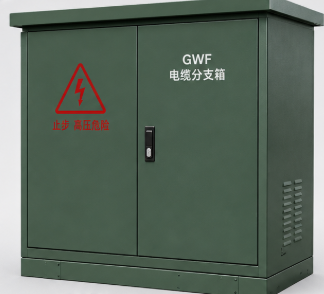
 Deutsch
  English (UK)
  Bahasa Indonesia
  Tiếng Việt
  Español
  Français
  Português
  Русский